As a longstanding critic of Nigeria’s governance failures across administrations, one thing remains constant: the Nigerian people are perpetually shortchanged by fiscal sleight-of-hand dressed up as policy.
The latest exhibit is the Tinubu government’s ballooning “energy security” expenditures, which smell less like prudent statecraft and more like a sophisticated reincarnation of the fuel subsidy regime it claimed to have slain in May 2023.
The Numbers Don’t Lie
NNPCL’s 2024 financials reveal staggering figures: approximately N7.13 trillion spent on “energy-security costs” to stabilize petrol prices amid exchange rate gaps, on top of an under-recovery balance pushing totals owed to the federation into the N17.5 trillion range for pipeline protection and related operations in a single year.
Add the 2023 outlay of around N4.8 trillion, and we’re staring at roughly N11.9–12 trillion in just two years on this opaque line item alone.
Compare this to the entire Buhari era: credible aggregates place total fuel subsidy spending over eight years in the N7–12 trillion range (with peaks like N4.7tn in 2022).
Tinubu’s administration has reportedly matched or exceeded Buhari’s eight-year subsidy bill in under two years — all while insisting “subsidy is gone.” This is not removal; it is rebranding.
The mechanism shifted from explicit under-recovery to “energy security” differentials between frozen ex-coastal prices and actual import settlement rates, with costs deducted from Federation Account remittances.
Nigerians pay market prices at the pump (often over N900–1,000+ per litre), yet the state still absorbs massive losses.
Questions Demanding Answers
1. Where is the transparency?
Pipeline security and crude theft mitigation are legitimate concerns in the Niger Delta, but N17.5 trillion in one year dwarfs previous efforts.
Opposition voices like Atiku Abubakar have rightly called for an independent forensic audit, questioning contracts potentially linked to cronies.
Nigerians deserve line-by-line disclosure: who received these funds, what infrastructure was secured, and what measurable reductions in vandalism or theft resulted? Pipeline uptime claims exist, but so do persistent reports of inefficiencies.
2. Sustained borrowing amid deprivation.
The administration continues heavy borrowing (debt stock rising sharply in naira terms, accelerated by devaluation), while critical sectors starve.
Health consistently receives around 4–5% of the federal budget — far below the 15% Abuja Declaration benchmark — with release rates as low as 15% of capital allocations in some periods.
Ministries suffer cash-backlog delays while “energy security” claims priority. This misallocation perpetuates suffering: crumbling hospitals, medicine shortages, and human capital erosion, even as trillions flow into petroleum value-chain opacity.
3. The charade’s human cost.
Fuel subsidy removal was sold as a bitter pill for long-term gain — freeing funds for infrastructure, health, education, and palliatives.
Yet inflation spiked, transport and food costs soared, and the supposed savings partly evaporated into new subsidy-like drains and debt service.
FAAC disbursements rose due to higher oil revenues in naira terms and reforms, benefiting states somewhat, but the average Nigerian faces hardship without commensurate relief.
Local refining (Dangote et al.) offers hope, yet import dependence and pricing volatility persist.
This is classic Nigerian elite capture: the masses bear removal pains (higher pump prices), while intermediaries and connected interests allegedly feast on security contracts and import differentials.
Buhari’s subsidy regime was notoriously corrupt, with billions lost to ghost imports and round-tripping. Tinubu’s version risks the same — just better camouflaged.
A Call for Accountability
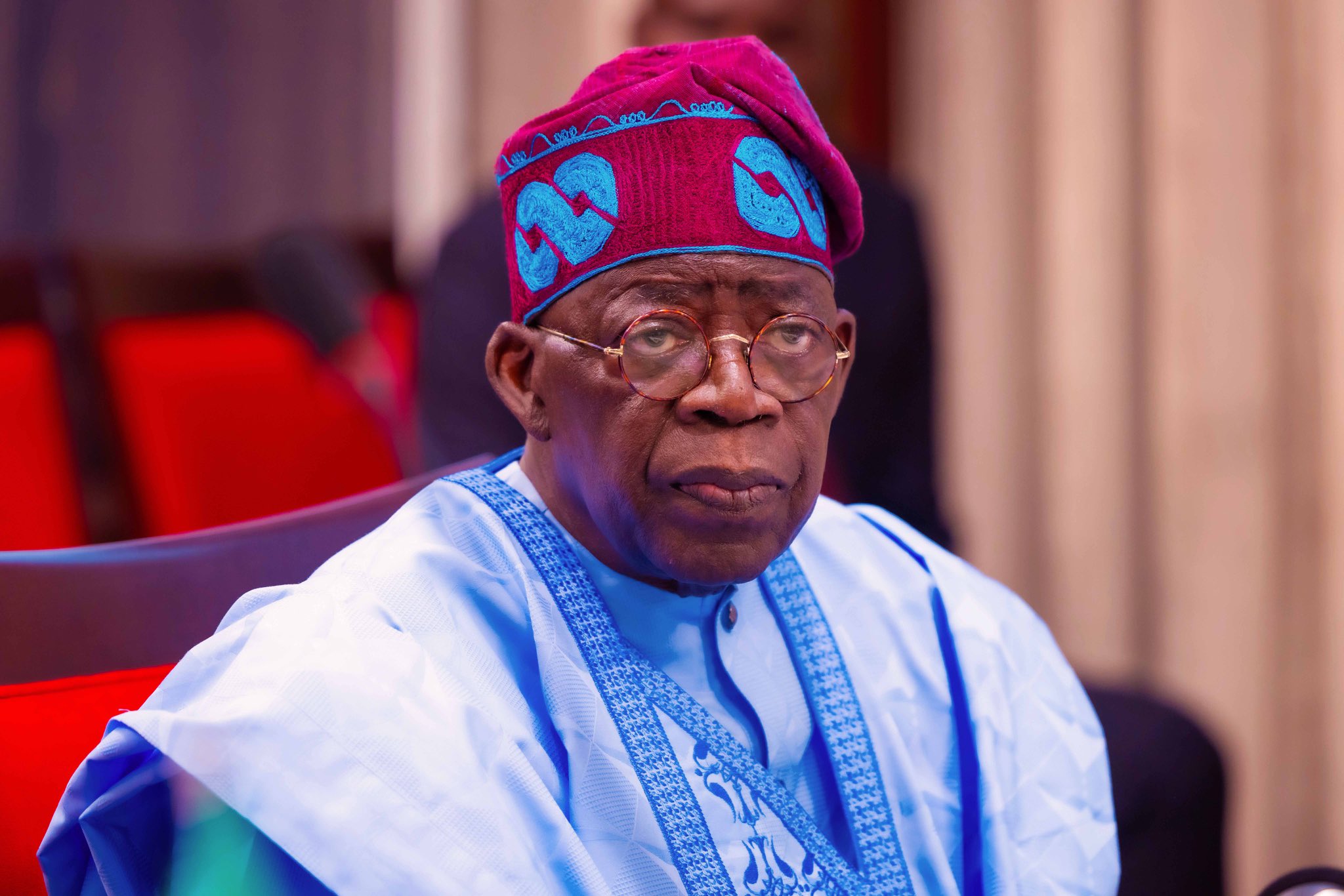
President Tinubu and his team owe Nigerians rigorous answers. Not press releases or partisan defenses, but verifiable audits, competitive bidding disclosures, and performance metrics on every naira spent under “energy security.”
Why borrow more while ministries like health are underfunded and under-released? Why sustain effective subsidies without the direct consumer benefit of the old regime?
True energy security requires functional refineries, reduced import reliance, diversified sources, and transparent governance — not trillion-naira black boxes.
Until opacity ends and priorities realign toward citizens (health, education, security, productivity), skepticism is not cynicism; it is patriotism.
The misappropriations are indeed getting out of hand. Nigerians are not only smelling corruption — they are paying for it daily with eroded purchasing power and neglected public services.
The administration must course-correct: full disclosure, efficient execution, and genuine redirection of savings. Otherwise, history will record this as subsidy theatre — expensive, ineffective, and ultimately unsustainable. Nigerians deserve better than charades.
Pamela O.
Political Affairs Analyst and Commentator
About the Author