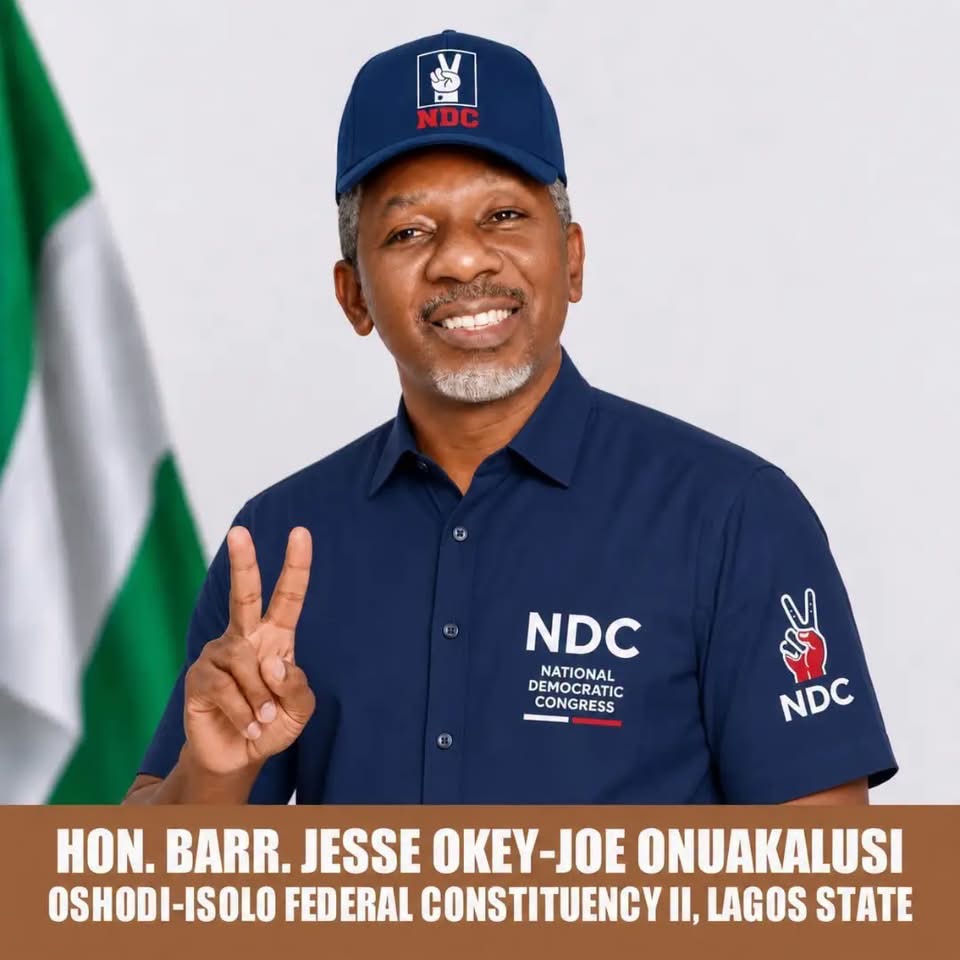
As a political analyst, effective representation in Nigeria’s National Assembly often suffers from a disconnect between elected officials and their constituents. Many lawmakers prioritize federal-level perks, legislative absenteeism, or elite networking over grassroots needs.
Hon. Jesse Okey-Joe Onuakalusi, representing Oshodi-Isolo II Federal Constituency in Lagos under the Labour Party, stands out as a notable exception.
His approach—centered on listening, advocacy, and tangible development—embodies a responsive, servant-leadership model that merits systematic study and emulation across Nigeria’s political landscape.
CORE ELEMENTS OF THE ONUAKALUSI MODEL
1. ACTIVE LISTENING AND COMMUNITY ENGAGEMENTS
Onuakalusi prioritizes direct, ongoing interaction with constituents. Reports highlight town hall-style engagements, ward-by-ward medical outreaches (e.g., free eye care with glasses and referrals in areas like Okota, Ejigbo, and Ajao Estate), and consistent feedback mechanisms.

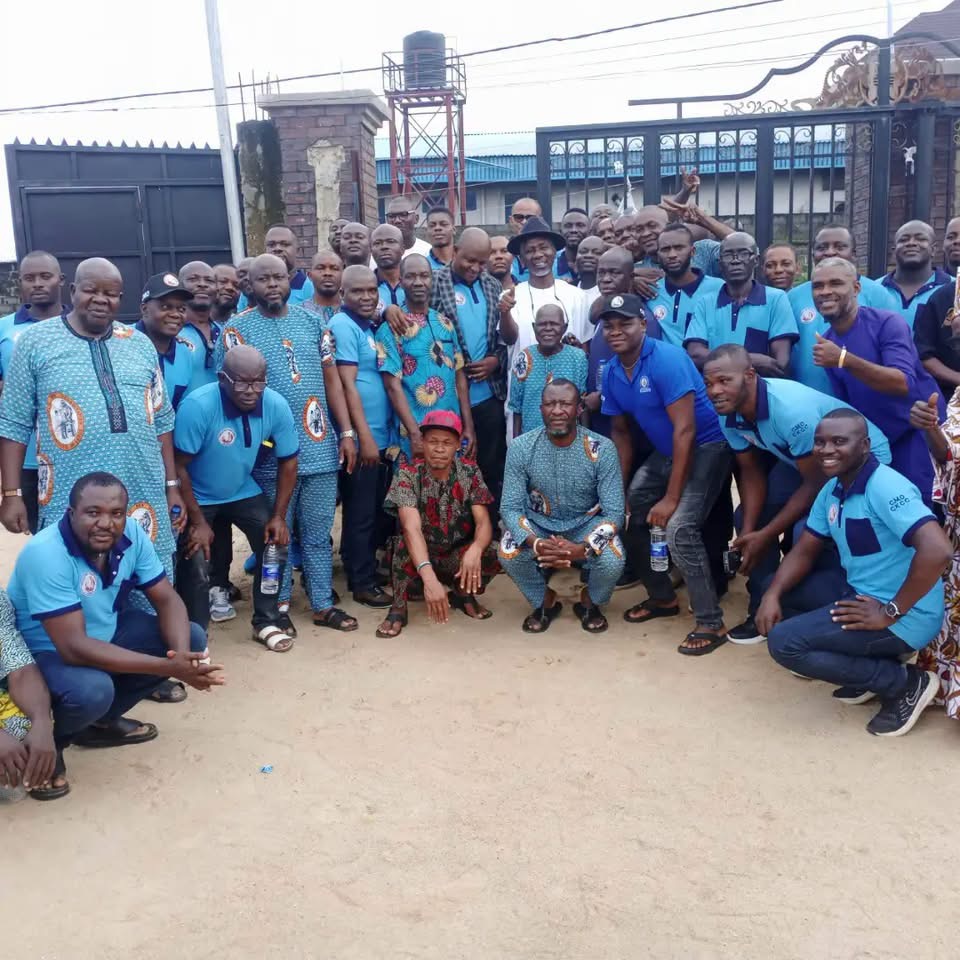
This is not performative; it informs his priorities, such as water access, education, and economic relief. In a diverse, urban constituency like Oshodi-Isolo, this builds trust and counters perceptions of aloofness common among federal lawmakers.
He has publicly emphasized inclusive service regardless of ethnicity, religion, or political affiliation, responding to criticisms by stressing merit-based appointments and broad outreach. While controversies probably sponsored by his political rivalries and detractors (e.g., around beneficiary lists for overseas training) have arisen, his emphasis on transparency and direct communication demonstrates a commitment to accountability.
2. VOCAL ADVOCACY IN THE LEGISLATURE
Beyond constituency work, Onuakalusi acts as a strong voice in the Green Chamber. He has sponsored bills (e.g., regulating herbal medicine for safety and quality), moved motions on renewable energy and community electrification for security and economic growth, and petitioned on issues like unpaid entitlements for former Nigeria Ports Authority workers.
His international engagements—diplomatic tours to the US and UK focused on democratic cooperation, youth empowerment, and economic ties—elevate his constituency’s profile while addressing national challenges.
This dual focus (local needs + national/international advocacy) aligns with the constitutional role of a representative while avoiding the trap of becoming a mere “bench warmer.”
3. RESULTS-ORIENTED DEVELOPMENT AND EMPOWERMENT
Onuakalusi earns the moniker “Mr. Project” through verifiable deliverables. Key achievements in roughly two years include:
– Infrastructure: Transformers, solar streetlights (across dozens of streets), boreholes (10+), road rehabilitations/completions (e.g., NNPC road and additional routes), and electrification projects.
– Empowerment: Skills training, grants to market women and traders (non-repayable), distribution of sewing/grinding machines, fish farming support (fingerlings, ponds, feed), and programs reaching hundreds (over 600 empowered reported)
– Social Services: Free medical outreaches, eye care, scholarships/JAMB forms, and education support.
These initiatives target immediate pain points—power, water, health, jobs, and mobility—while promoting sustainability and self-reliance. His background as a civil rights activist and legal practitioner (BA English/Law from UNN, Nigerian Law School) informs this justice-oriented, people-centered focus.
WHY THIS MODEL NEEDS STUDY AND EMULATION
Nigerian politics frequently features “stomach infrastructure” or tokenism at election time, followed by neglect.
Onuakalusi’s approach counters this with “consistency, transparency, and measurable impact”.
Regular thanksgiving/accountability events, documented project updates, and a public emphasis on fulfilling campaign promises foster legitimacy and reduce voter apathy.
KEY LESSONS FOR OTHER REPRESENTATIVES :
– Institutionalize feedback: Regular town halls and ward-level delivery turn representation into a feedback loop.
– Blend advocacy with execution: Legislative work must translate into constituency benefits (infrastructure, skills, health).
– Focus on inclusion and sustainability: Prioritize merit, broad-based empowerment (women, youth, traders), and long-term tools over handouts.
– Leverage networks: Diplomatic and alumni engagements (e.g., UNN) can attract investment and best practices.
Challenges remain, including tribalism , undeserved biases against non-indigenous representatives in a diverse polity and scaling impact amid Nigeria’s fiscal constraints.
However, his track record—recognized among top performers in the 10th Assembly—shows that proactive, visible service yields political resilience (e.g., strong primary support).
CONCLUSION
Hon. Jesse Okey-Joe Onuakalusi exemplifies a revitalized model of representative democracy: one where the lawmaker is an accessible advocate, project deliverer, and community partner rather than a distant figure.
In an era of declining trust in institutions, such approaches can rebuild civic confidence, improve governance outcomes, and strengthen democracy from the grassroots. Nigerian lawmakers—across parties and levels—would do well to study and adapt this template.
Constituents deserve no less, and the nation’s development hinges on more representatives embracing this standard of service.
-Pamela O.
Political analyst and Commentator.
About the Author