As a political analyst, the early days of the Southeast Development Commission (SEDC) offer a critical case study in governance, transparency, and the perennial challenge of corruption in Nigeria’s public institutions.
The commission, established to address long-standing infrastructural and economic deficits in the Southeast, received significant initial funding — around ₦16.6 billion from the 2025 budget.
Yet, within months, its Managing Director/CEO, Mark Okoye (often referred to in queries as Mike Okoye), faces intense Senate scrutiny over alleged financial mismanagement.
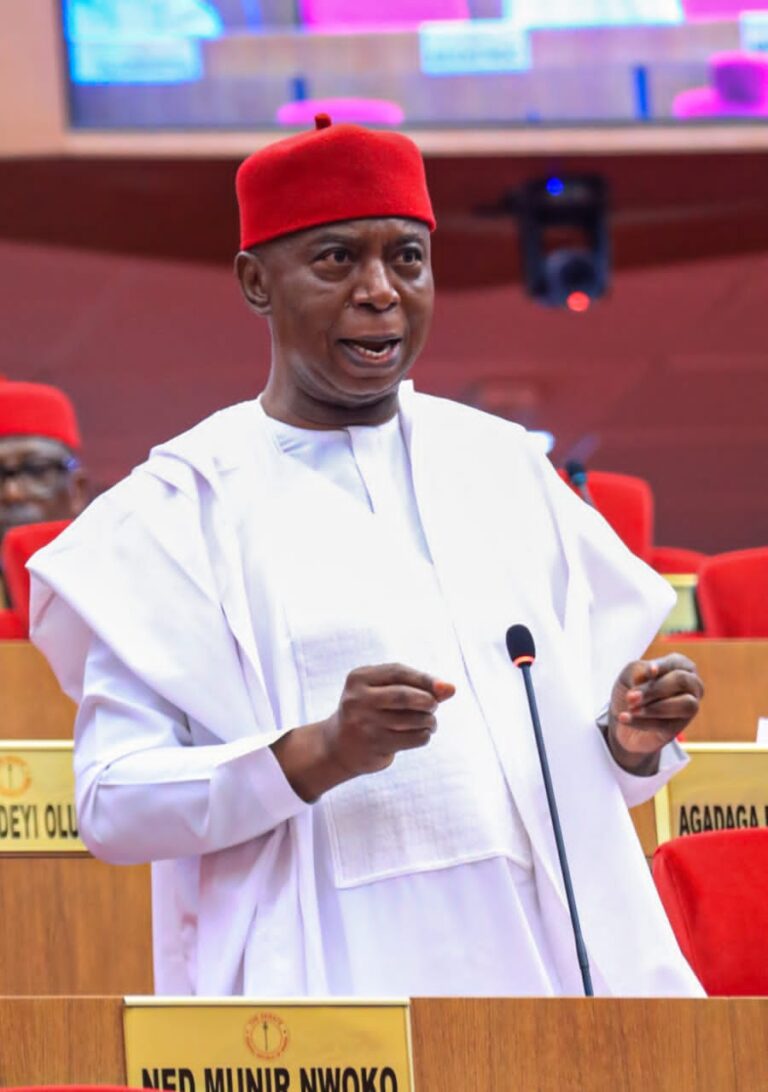
The Senate Committee on the Southeast Development Commission, chaired by Senator Orji Uzor Kalu, has raised serious red flags. Key issues include:
– ₦153 million reportedly spent on renting what lawmakers described as a “one-room” liaison office in Abuja, despite the commission’s headquarters being in Enugu. This has been widely criticized as extravagant and unjustifiable for a newly established body.
– Discrepancies in accounting: The commission reportedly received the funds in December, yet explanations for expenditures (including over ₦4 billion allegedly spent, with vague categories like “implied expenditure”) failed to satisfy the committee. Okoye indicated roughly ₦11.5–12 billion remained, but lawmakers demanded detailed documentation and ordered a return appearance.
– Broader concerns about operational priorities: With the SEDC’s mandate to drive transformative development, critics argue that heavy early spending on administrative overheads (offices, operations) without visible projects signals misplaced priorities and potential recklessness.
Parallels with the “Adu” Treatment and Calls for Sack
The user rightly invokes consistency. If other appointees (such as an “Adu” in analogous cases) faced swift removal over integrity or performance issues, the same standard must apply here to avoid perceptions of selective accountability.
Public frustration is palpable: citizens’ groups have called for Okoye’s immediate sack and prosecution, viewing the SEDC as yet another avenue for elite capture rather than regional empowerment.
Mark Okoye, a relatively young technocrat with prior experience in Anambra State roles (including investment promotion), was initially hailed as a merit-based choice symbolizing youth inclusion. His vision for growing the Southeast economy significantly has been ambitious on paper.
However, early stewardship has disappointed many, turning optimism into accusations of a “big disappointment.” In Nigerian politics, perception often matters as much as reality — and the optics of lavish Abuja office costs amid regional needs (infrastructure, youth unemployment, erosion control) are damaging.
Broader Implications
This episode highlights systemic risks in new development commissions (similar to NDDC controversies in the past).
Without rigorous oversight, strong internal controls, and zero tolerance for waste, these bodies risk becoming patronage tools rather than catalysts for growth.
President Tinubu’s administration, having signed the SEDC into law to address Southeast concerns, has a stake in ensuring it succeeds. Birthday congratulations to Okoye amid the probe send mixed signals; decisive action on accountability would better serve credibility.
Recommendations as Analyst:
– Immediate full forensic audit of SEDC expenditures by independent bodies (EFCC/ICPC involvement if warranted).
– Suspension or sack of the MD if explanations remain inadequate, to set a precedent matching the “Adu” standard.
– Shift focus transparently to project delivery, with clear KPIs and public dashboards.
– Strengthen board oversight and procurement processes to prevent recurrence.
The Southeast, like other regions, deserves institutions that deliver tangible results, not recycled stories of unaccounted billions. Mark Okoye’s leadership is at a crossroads: either clear his name with ironclad transparency or step aside to preserve the SEDC’s potential.
Nigeria’s development journey cannot afford another failed experiment in regional intervention. Immediate, firm action is needed to restore public trust.
Pamela O.
Political Analyst and Sociopolitical Commentator
About the Author