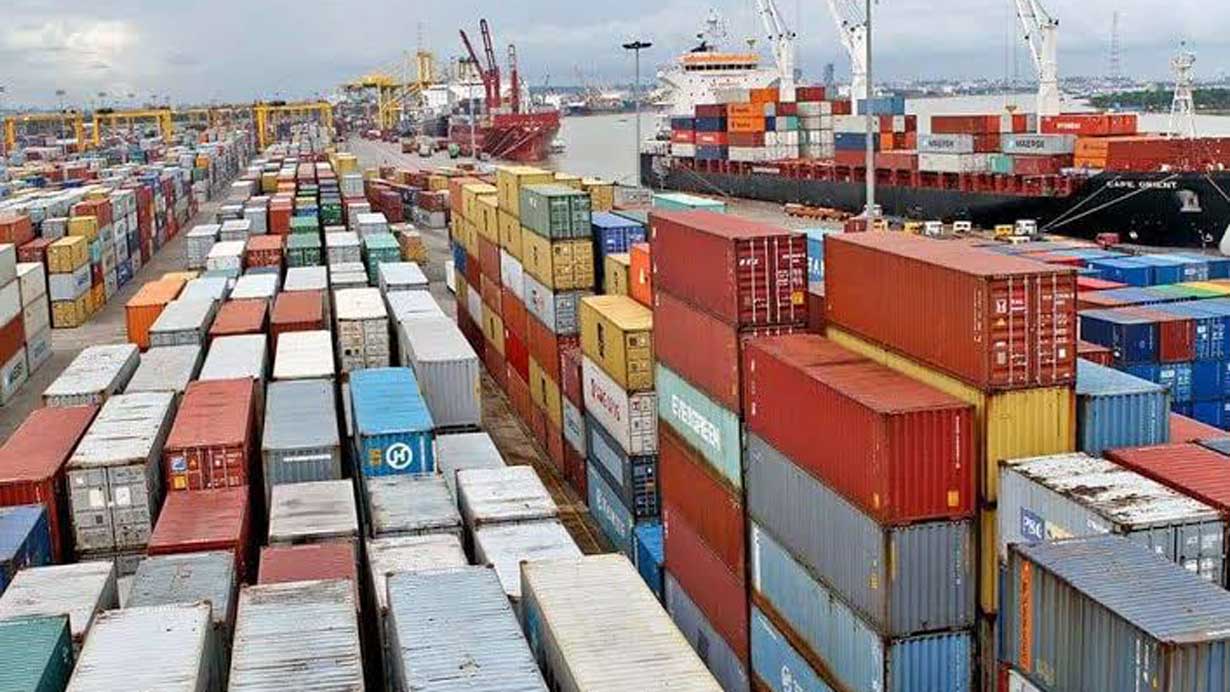
In recent developments, the Lagos State Government has openly rejected calls from the Nigerian Ports Authority (NPA) to activate other seaports across Nigeria, sparking widespread debate on national economic equity and infrastructure efficiency.
This stance comes amid chronic congestion at Lagos ports like Apapa and Tin Can Island, which handle over 80% of the country’s cargo, leading to massive delays, economic losses, and urban gridlock in Lagos.
As Nigeria grapples with these challenges, every representative in the National Assembly should prioritize pushing for policies that decongest Lagos seaports by enabling other regions to clear goods through strategic, underused ports such as Warri, Onne, Calabar, and Port Harcourt.
This article explores the urgent need for such reforms, questions Lagos’ insistence on centralizing operations, and calls on federal lawmakers to intervene for the greater good of the nation.
The Urgent Need for Lagos Seaport Decongestion: A National Crisis
Lagos seaport decongestion has become a critical issue for Nigeria’s economy, with Apapa and Tin Can ports overwhelmed by excessive cargo volumes.
Reports indicate that Nigeria loses billions annually due to port bottlenecks, including delays in cargo clearance that push businesses to divert shipments to neighboring countries like Ghana, Togo, and Benin Republic.
These inefficiencies not only inflate costs for importers and exporters but also exacerbate traffic congestion in Lagos, turning the city into a logistical nightmare.
Decongesting Lagos ports isn’t just a local concern—it’s essential for boosting national trade efficiency, reducing economic leakages, and fostering balanced regional development.
Activating other Nigerian seaports is a proven strategy for addressing this. For instance, the NPA has highlighted the potential of reviving
Delta ports like Warri and Koko to handle redirected cargo, which could alleviate pressure on Lagos while stimulating economic growth in the South-South region.
Yet, despite these benefits, underutilized ports across the country remain idle, forcing other regions to route their goods through Lagos, perpetuating the cycle of overcrowding.
Benefits of Enabling Other Regions to Clear Goods from Strategic Seaports
Diversifying port operations by allowing regions to clear goods from nearby strategic seaports offers multifaceted advantages.
Economically, it would reduce transportation costs for businesses in the North, East, and South by minimizing the need for long-haul trucking from Lagos.
This shift could create jobs in port-adjacent areas, promote industrial growth, and enhance
From an infrastructure perspective, activating ports like Warri and Onne would directly contribute to Lagos seaport decongestion, easing urban congestion and improving road networks in the commercial hub.
Environmentally, fewer trucks on Lagos roads mean lower emissions and better air quality.
Moreover, this approach aligns with global best practices in port management, where countries like the United States and China distribute maritime traffic to multiple hubs for resilience and efficiency.
Public reactions, including viral posts on social media, underscore the frustration: one user questioned why militants couldn’t “lock up” Niger Delta oil if ports remain centralized, highlighting perceived regional imbalances.
Such sentiments reflect a broader call for equity, where no single region monopolizes national resources.
Why Is Lagos State So Insistent on Centralizing Clearances? A Closer Look
The Lagos State Government’s rejection of NPA’s plan to shift cargo to Warri has raised eyebrows, with critics accusing it of prioritizing local interests over national progress.
Lagos officials blame NPA policies for the congestion and argue against diverting operations, claiming it frustrates Apapa’s efficiency.
However, this position seems contradictory—insisting that all clearances happen in Lagos only worsens the overcrowding they decry.
Skeptics point to revenue motives: Lagos benefits immensely from port-related taxes, fees, and economic activities.
With Governor Babajide Sanwo-Olu and President Bola Tinubu both hailing from the Southwest, there’s concern that regional biases influence decisions.
But port policy should transcend state boundaries; Nigeria’s economy must not be held hostage by one state’s preferences.
If Lagos truly wants decongestion, supporting the activation of other seaports is a logical step, not a threat.
The Pivotal Role of National Assembly Members in Driving Change
This is where the National Assembly comes in. As federal representatives, senators and House members from all regions must unite to legislate reforms that mandate the equitable use of Nigerian seaports.
They should push for bills enhancing NPA’s authority to redistribute cargo, invest in underused ports’ infrastructure, and enforce policies that prevent monopolization.
Why are lawmakers there if not to address such imbalances?
Decisions on national infrastructure like seaports shouldn’t rest solely with a state governor or the president—especially when regional ties could cloud judgment.
National Assembly intervention in port operations could include oversight hearings, funding allocations for port modernization, and amendments to the Nigerian Ports Authority Act to prioritize decongestion.
By “joining mouths” as advocates, they can ensure a fairer system that benefits all Nigerians, not just one metropolis.
Conclusion: Time for Action on Nigerian Seaports Reform
Lagos seaport decongestion through the activation of other strategic seaports is not optional—it’s imperative for Nigeria’s sustainable growth.
The Lagos State Government’s resistance, while perhaps rooted in local concerns, undermines national unity and efficiency.
President Tinubu and Governor Sanwo-Olu’s shared regional background should not dictate policy; instead, the National Assembly must step up to champion equitable port operations.
Representatives, the question remains: Why are you there?
Push for reforms now to decongest Lagos, empower other regions, and unlock Nigeria’s full maritime potential.
With smart policies, we can transform idle ports into engines of prosperity, ensuring no region is left behind in our economic journey.
About the Author