As a political analyst, addressing a candidate as the “incoming senator” prematurely—especially without grounding in verified electoral processes—undermines democratic norms, party discipline, and institutional integrity.
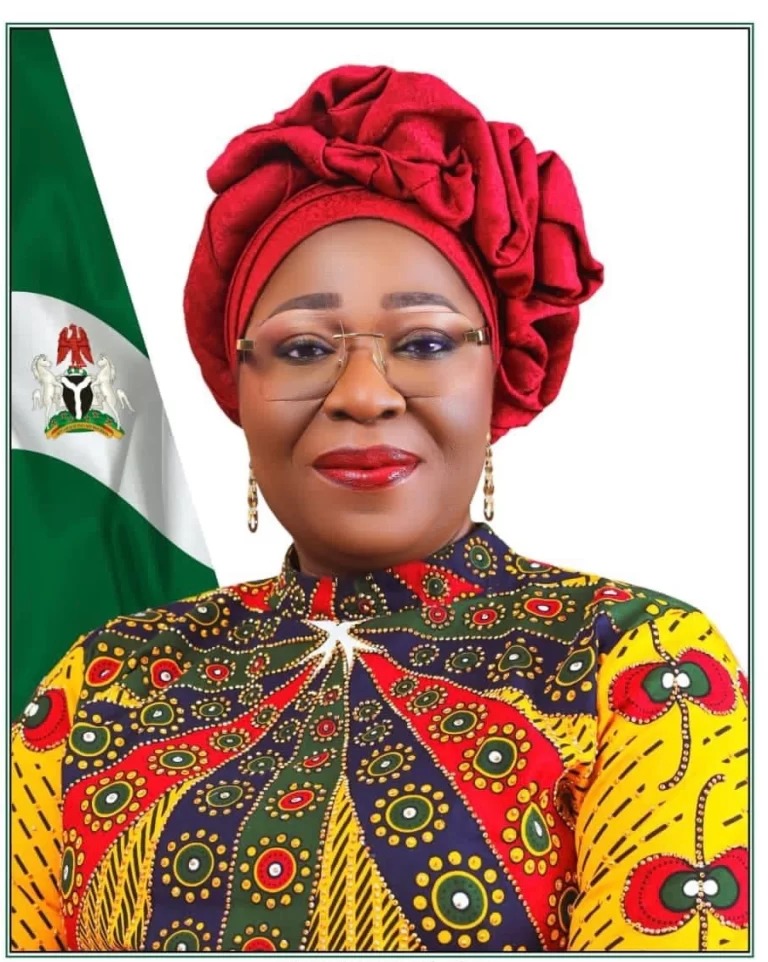
This is precisely the issue with reports of Senator Oluremi Tinubu (Nigeria’s First Lady) referring to former Delta State Governor Senator Ifeanyi Okowa in such terms during engagements in Delta State.
The Core Ethical and Procedural Wrongs
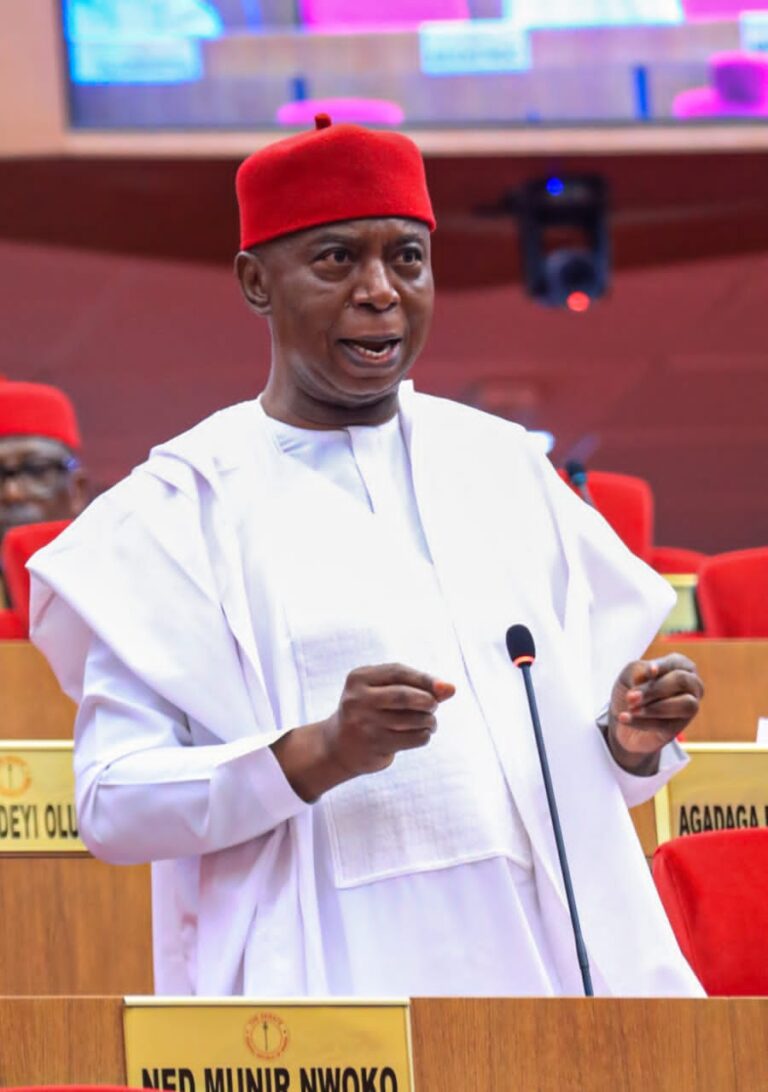
1. Premature Declaration Erodes the Primaries Process: APC conducted senatorial primaries for the 2027 cycle in May 2026. (Okowa self declared himself the winner with unverified claims of 113,000+ votes against Nwoko’s ~2,600). However, Nwoko’s camp has strongly contested this, alleging manipulation, ward-level discrepancies, and even claiming their own landslide victory with video evidence from multiple wards stands him as a winner.
Publicly anointing Okowa as “incoming senator” before the full party ratification, any appeals, or the general election bypasses these disputes. It signals that outcomes are pre-determined by influential figures rather than transparent processes.
In a polarized environment like Delta politics—where cross-party defections (Okowa moving to APC) already raise eyebrows—this fuels accusations of imposition.
2. Undermines Party Unity and Fairness: High-profile endorsements from national figures like the First Lady carry immense weight. They can demoralize other aspirants, alienate blocs loyal to Nwoko, and create factions within APC ahead of 2027.
Political analysts note that such statements risk portraying the party as favoring “big names” over due process, especially in a state with complex ethnic and zonal dynamics (Delta North/Ika/ Anioma interests). This is not strategic coalition-building; it is top-down interference that could weaken grassroots mobilization.
3. Breaches Neutrality and Institutional Boundaries: As First Lady and a former Senator, Remi Tinubu holds symbolic national influence. Her role should emphasize unity, development (e.g., her Renewed Hope initiatives), and respect for party mechanisms—not preempting electoral verdicts.
In Nigeria’s context, where the ruling party’s internal processes are often scrutinized for godfatherism, this sets a poor precedent. It blurs the line between personal/political affinity and official endorsement, potentially exposing the presidency to accusations of meddling in state affairs.
4. Broader Democratic Implications: Elections derive legitimacy from perceived fairness. Jumping ahead to “incoming” status normalizes premature victory laps, discourages healthy competition, and erodes public trust. Voters in Delta North may feel their input (via primaries and the general poll) is secondary to Abuja signals.
In an era of litigious politics and voter apathy, this is counterproductive for APC’s goal of consolidating power in the South-South.
Why the APC National Secretariat Should Call Her to Order
The APC National Working Committee (NWC) and Secretariat have a duty to enforce discipline, especially among high-ranking members. Reasons include:
– Safeguarding Internal Democracy: The party’s constitution and guidelines emphasize fair primaries.
Public statements contradicting ongoing validations (or ignoring disputes) contradict this. A gentle public or private clarification from the Secretariat would reaffirm that candidates emerge through structured processes, not pronouncements.
– Preventing Factionalism: Delta APC is navigating Okowa’s integration post-defection. Unchecked statements risk alienating Nwoko supporters or other stakeholders, complicating 2027 strategies for Tinubu’s re-election and broader gains.
– Maintaining Credibility: APC positions itself as reformed and people-oriented. Allowing unchecked elite signaling damages this narrative. The Secretariat should issue a neutral reminder: “We commend all aspirants; the party will ratify the authentic candidate per guidelines.”
– Precedent for Accountability: High-profile members are not above party rules. A measured call to order demonstrates that APC values process over personality, distinguishing it from past perceptions of impunity.
In summary, while political enthusiasm and networking are normal, labeling someone “incoming senator” mid-contestation crosses into unethical territory. It prioritizes optics over facts on the ground. As analysts, we urge restraint: true leadership strengthens institutions, not shortcuts them. The APC Secretariat’s intervention would reinforce party cohesion and democratic ethos—essential for sustainable political success in Nigeria.
Pamela O.
Political Analyst and Columnist.
About the Author