Tinubu Ambassador Appointments 2025: Reno Omokri, Fani-Kayode, and the Future of Nigerian Diplomacy–
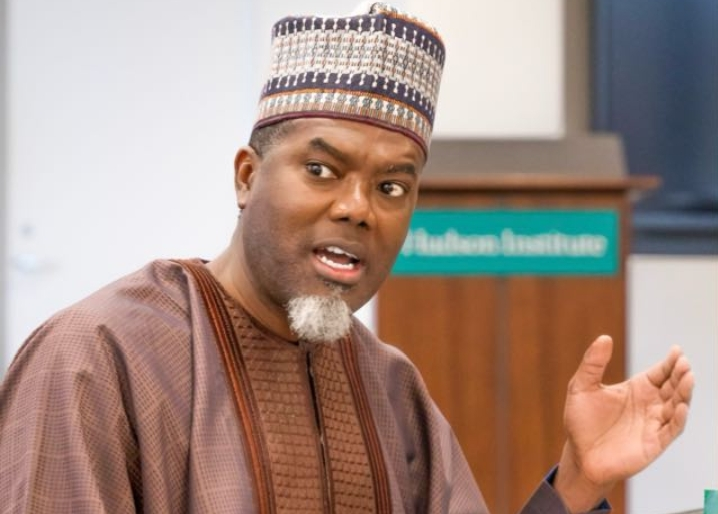
In a move that’s ignited fierce backlash across Nigeria’s political landscape, President Bola Ahmed Tinubu has nominated former presidential aide Reno Omokri as one of 32 ambassador-designates, alongside polarizing figures like Femi Fani-Kayode and ex-INEC Chairman Mahmood Yakubu.
This batch of **Tinubu’s ambassadorial nominations**, submitted to the Senate on November 29, 2025, includes 15 career ambassadors and 17 non-career ones, blending seasoned diplomats with vocal political loyalists.
But as Nigerians question the **qualities of a Nigerian ambassador**, the spotlight falls on Omokri’s fiery online persona – a stark contrast to the poised restraint expected in **Nigerian diplomatic roles**.
Does this signal a crisis in Nigeria’s pool of “honourable” diplomats? And will the **Nigerian Senate** dare to reject these picks to safeguard the nation’s global image?
The Core Role of a Nigerian Ambassador: Representation, Protection, and Diplomacy
At its heart, the **role of ambassadors in Nigeria** is enshrined in the Vienna Convention on Diplomatic Relations (1961), which Nigeria ratified, and reinforced by the Federal Ministry of Foreign Affairs.
Nigerian ambassadors serve as the **head of mission** in host countries, embodying the president’s foreign policy while advancing national interests.
Their primary **functions of Nigerian diplomats** include:
– **Representation**: Acting as Nigeria’s official face abroad, fostering bilateral ties through high-level meetings, trade negotiations, and cultural exchanges.
For instance, ambassadors spearhead deals like the US-Nigeria oil trade pacts, which exceed $1 billion annually in aid and exports.
– **Protection of Nationals**: Safeguarding the welfare of over 1.5 million Nigerians in the diaspora, from visa issues to crisis evacuations – as seen during the COVID-19 response when diplomats airlifted 2,300 citizens from the UK.
– **Negotiation and Promotion**:
Securing economic partnerships, resolving conflicts (e.g., post-Brexit trade valued at N16 trillion), and countering threats like Boko Haram via joint military pacts.
Nigeria maintains 109 missions worldwide, including 76 embassies, relying on these envoys to elevate the country’s stature amid economic challenges.
In essence, a Nigerian ambassador isn’t just a bureaucrat – they’re a strategic asset, commanding respect to project power and unity.
Essential Qualities of a Diplomat: Why Personality Matters in Nigerian Foreign Service
Becoming a **career diplomat in Nigeria** demands rigorous training at the Ministry of Foreign Affairs, starting with the Foreign Service Academy.
But beyond credentials, the **personality traits of a Nigerian ambassador** are non-negotiable for success in **diplomatic etiquette and protocol**. Key attributes include:
| Quality | Description | Why It Matters for Nigerian Ambassadors |
|———|————-|—————————————|
| **Diplomacy & Discretion** | Tactful communication, avoiding public controversies. | Prevents scandals that could strain ties, like during the 1973 OPEC crisis negotiations.
| **Cultural Sensitivity** | Adaptability to host customs and global norms. | Builds trust in diverse settings, from AU peace talks to UN forums.
| **Integrity & Respectability** |
Unblemished reputation, free from divisive rhetoric. | Commands international respect; a tainted image erodes Nigeria’s soft power.
| **Leadership & Resilience** |
Strategic thinking under pressure, mentoring staff. | Handles crises like evacuations or trade disputes with poise.
| **Loyalty to National Interest** |
Prioritizing unity over partisanship. | Ensures representation serves all Nigerians, not just political allies. |
These traits aren’t optional – they’re the bedrock of **effective Nigerian diplomacy**.
As one expert notes, diplomats must “protect the image and interest of Nigeria through utmost dedication,” blending natural charisma with learned finesse.
Yet, in an era of social media, a diplomat’s online footprint can amplify or undermine these qualities, turning personal rants into national embarrassments.
Tinubu’s Appointments: Reno Omokri and the Clash of Personality vs. Protocol
President Tinubu’s latest **ambassadorial list 2025** – featuring Omokri (Delta State, non-career), Fani-Kayode, Yakubu, ex-governors like Ifeanyi Ugwuanyi, and even late Senator Abiola Ajimobi’s widow – aims to “balance competence and capacity” for foreign policy success, per the Presidency.
But the inclusion of Omokri, a once-vocal critic who branded Tinubu “corrupt” and swore he’d “never work for him” on the Mic On podcast, reeks of political patronage over merit.
Omokri’s **personality as a diplomat**?
He’s a social media firebrand with millions of followers, known for tribal jabs (e.g., against Igbos) and relentless APC defenses.
How will this **controversial Nigerian ambassador nominee** command respect at state dinners or UN negotiations when host nations Google his history of divisive tweets?
The Presidency dismisses concerns, claiming his “outspoken personality” won’t disqualify him and that past service trumps “public perceptions.”
Yet, critics argue this ignores the **risks of non-career ambassadors**: eroded credibility, as seen in X backlash where users decry it as “rewarding hate” and a “question mark on integrity.”
Ijaw leaders are split: Some hail Omokri’s “followership” and “game knowledge,
while others, like INC President Prof. Benjamin Okaba, slam it as EFCC-probed favoritism.
Delta APC cheers the nod,
but an APC chieftain warns Senate confirmation could “damage Nigeria’s reputation.”
Tinubu’s “forgiveness” narrative – which Omokri himself praised as “Christlike” – feels like a clever flip, but it underscores a deeper issue: Are these **political appointments** prioritizing loyalty over the gravitas needed for **Nigerian ambassadors abroad**?
Exhausting Nigeria’s Talent Pool? The Scarcity of ‘Honourable’ Diplomats Under Tinubu
This isn’t Tinubu’s first rodeo – earlier batches included just three nominees, leaving key posts vacant for two years and hollowing out the service. With only 47 active ambassadors as of September 2025,
Nigeria’s diplomatic bench is thin. But throwing “honourable positions” to street-level influencers like Omokri? It screams desperation – or disdain.
Nigeria boasts a rich cadre of **honourable Nigerian diplomats**: Trailblazers like Simeon Adebo (first UN rep) or modern heroes like Ambassador Ibrahim Zanna, who orchestrated 70-world-leader summits and COVID evacuations with “unwavering commitment.”
Why sideline them for non-career picks mired in controversy?
It implies a drought of merit – a betrayal of the Foreign Service’s post-independence legacy, built by 12 officers in 1960 to forge global ties.
As X users lament, “Ambassador Reno Omokri has turned us into town criers,”
this politicization risks turning embassies into echo chambers, not beacons of respect.
Call to Action: Nigerian Senate Must Reject Reno Omokri and Prioritize Diplomatic Integrity
The buck stops with the **Nigerian Senate’s role in ambassador confirmations**.
Under Section 171 of the 1999 Constitution, they hold veto power – a sacred duty to filter unfit nominees.
They **should not allow** this travesty: Reject Omokri, Fani-Kayode, and similar picks to demand **qualified ambassadors for Nigeria 2025**.
History demands it – past Senates have screened rigorously to uphold standards.
Failure here? It handshosts a free pass to mock Nigeria’s diplomacy, amplifying whispers of “Banana Republic” abroad.
Nigerians, rise! Tag @NGRSenate, @officialABAT – demand **honourable men and women** reclaim these posts.
Tinubu’s vision for a “prosperous Nigeria” hinges on credible envoys, not Twitter warriors.
The Senate confirmation hearings are imminent; let this be the line in the sand for **Tinubu’s diplomatic appointments controversy**.
Search “Reno Omokri Ambassador Rejection” and join the fray – Nigeria’s global respect is at stake.
About the Author