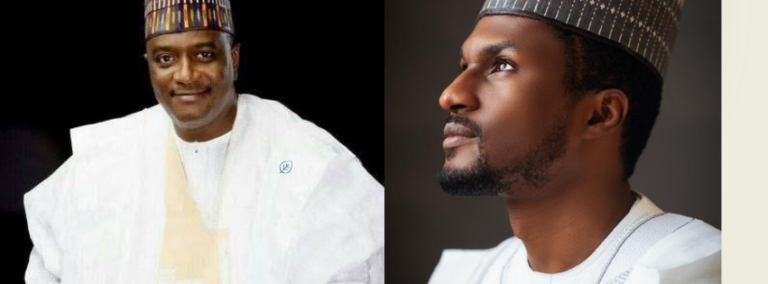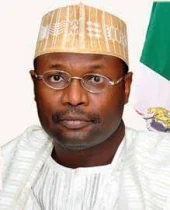
As an opinion columnist, I’ve often grappled with the weight of holding public figures accountable while acknowledging their humanity. But when it comes to Professor Yakubu Mahmood, the former Chairman of Nigeria’s Independent National Electoral Commission (INEC), the scales tip heavily toward disappointment. His tenure, once poised to be a hallmark of democratic progress, is now a cautionary tale of squandered integrity—a legacy Nigerians are unlikely to forgive.
Yakubu, a scholar with an enviable academic pedigree, stepped into the INEC chairmanship in 2015 with promise. His credentials—first-class history degree, Cambridge and Oxford education—suggested a man of rigor and principle. Nigerians hoped he would steer the nation’s elections toward transparency, building on the incremental gains of his predecessor, Attahiru Jega. Yet, what unfolded over his decade-long tenure was a masterclass in how to erode trust in a democracy already fragile.
The 2023 presidential election stands as the pinnacle of Yakubu’s failures. Nigerians, especially the youth, poured into polling stations with unprecedented zeal, buoyed by INEC’s assurances of technological innovation. The Bimodal Voter Accreditation System (BVAS) and the INEC Results Viewing Portal (IReV) were touted as game-changers, promising real-time transparency. But when the moment of truth arrived, these systems faltered spectacularly. Results that should have been uploaded instantly were delayed, shrouded in mystery, or allegedly manipulated. The nation watched as hope turned to outrage, with many believing their votes were subverted.
Whispers of corruption grew into a roar. Allegations swirled that Yakubu’s INEC was complicit in favoring certain political interests, undermining the will of the people. The opacity surrounding result collation, coupled with reports of irregularities in key states, fueled distrust. Opposition parties cried foul, and citizens took to the streets, their faith in democracy battered. While courts later dismissed challenges for lack of evidence, the absence of judicial vindication does little to quell public sentiment when trust is broken.
Yakubu’s defenders might argue he faced immense pressure—political interference, logistical nightmares, and a polarized nation. They might point to his introduction of BVAS as a step forward, or his efforts to expand voter access. But these feel like hollow consolations when the system’s collapse at critical moments overshadowed any gains. A leader’s integrity is measured not by intent but by outcomes, and Yakubu’s tenure delivered too many broken promises.
The fallout extends beyond elections. Nigerians, particularly the younger generation, feel betrayed by a system they dared to believe in. The “Obidient” movement and other grassroots campaigns were born of this disillusionment, a reminder that when institutions fail, citizens don’t forget. Yakubu’s name, once synonymous with academic excellence, is now a byword for electoral mismanagement in many circles. Social media posts on platforms like X capture this raw anger, with users calling him an “enemy of democracy” and worse. While such sentiments may be heated, they reflect a wound that festers.
His eventual exit from INEC, whether by choice or otherwise, felt like an afterthought—a quiet retreat for a man who presided over such loud chaos. Nigerians won’t forgive Yakubu, not because they’re vindictive, but because his tenure represents a betrayal of possibility. He had the chance to strengthen a democracy crying for credibility but left it weaker, its cracks exposed for all to see.
In the end, Yakubu Mahmood’s story is a tragedy of lost potential. His academic brilliance couldn’t translate into the moral courage needed to safeguard Nigeria’s electoral soul. As the nation moves forward, his name will linger—not as a hero of democracy, but as a cautionary figure whose missteps remind us that integrity, once compromised, is hard to reclaim.
About the Author