

By AMECHI. Pay
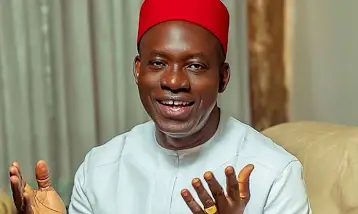
Governor Chukwuma Soludo of Anambra State has emerged as a rare breed among Nigerian leaders—a governor who appears to defy the odds, delivering significant infrastructure and human capital development without plunging his state into the all-too-familiar abyss of debt.
As he marked his third year in office last month, Soludo proudly declared that his administration has not borrowed a single kobo to fund its ambitious projects.
For a nation accustomed to leaders who lean heavily on loans to paper over fiscal gaps, this claim is nothing short of remarkable. It begs the question: where is Soludo getting the money to transform Anambra, and what does this say about his reputation as an economic and financial expert?
Let’s start with the evidence of his work. Over 750 kilometers of roads have been commissioned, with more than 400 kilometers completed, threading through Anambra’s urban and rural landscapes like arteries of progress.
More than 8,000 teachers have been recruited to breathe new life into public schools, while healthcare facilities and youth empowerment programs flourish.
A new Government House, a 23-hectare complex with 34 buildings designed to last 250 years, is rising in Awka—without a dime of borrowed funds. These are not small feats, especially in a country where economic headwinds like naira devaluation and inflation have squeezed state budgets to the breaking point.
So, how is he doing it? Soludo’s approach hinges on a blend of fiscal discipline, innovative revenue generation, and strategic resource management—hallmarks of the economist who once steered Nigeria’s banking sector as Central Bank Governor.
First, he has prioritized prudence over profligacy. Unlike many of his peers, Soludo has resisted the temptation to borrow recklessly, even when presented with opportunities like the N438 billion World Bank loan that 35 other states shared.
He opted out, citing unfavorable terms that would “mortgage the future” of Anambra’s children. This decision alone speaks volumes about his long-term vision and willingness to forgo short-term gains for sustainable growth.
Instead of loans, Soludo has turned inward, squeezing more value from Anambra’s existing resources. One key strategy has been the digitization of the state’s Internally Generated Revenue (IGR) system. By plugging leakages and modernizing tax collection, he has boosted the state’s coffers without burdening citizens with excessive levies.
During his campaign, he estimated that N250 billion was needed to build critical infrastructure for a “livable and prosperous homeland.” With resources “abysmally lean,” as he put it, this IGR overhaul has been a lifeline, proving that efficiency can sometimes outmuscle borrowing. Economic and financing wizard indeed.


