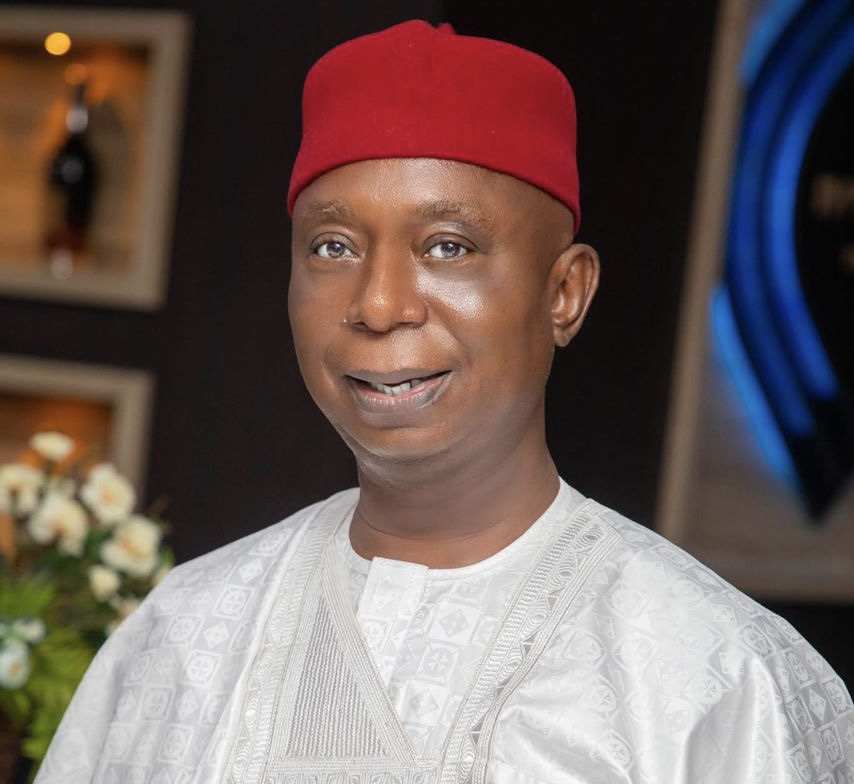
In the lush, riverine corridors of Delta North Senatorial District—encompassing Aniocha North, Aniocha South, Ika North East, Ika South, Ndokwa East, Ndokwa West, Oshimili North, and Ukwuani Local Government Areas—Senator Prince Ned Munir Nwoko has ignited a wave of purposeful governance that bridges royal heritage with radical progress.
Elected in the February 25, 2023, National Assembly polls under the Peoples Democratic Party (PDP), Nwoko triumphed with a commanding margin, representing over 1.5 million resilient constituents from Idumuje-Ugboko’s ancestral hills to Asaba’s bustling markets.
Sworn into the 10th Senate on June 13, 2023, this second-term lawmaker—at 64—has redefined senatorial service through a fusion of legal acumen, entrepreneurial flair, and unapologetic advocacy, channeling Delta North’s untapped potential into a national force for equity and innovation.
From Idumuje’s Throne to Abuja’s Vanguard: A Life of Audacious Ambition
Born on December 21, 1960, into the storied royal family of Idumuje-Ugboko in Aniocha North LGA, Ned Nwoko’s lineage traces back to ancient Anioma kings, instilling in him a profound sense of duty and destiny.
His early years blended Igbo tradition with global polish: educated at the University of Keele in England, where he earned a degree in History, Nwoko later honed his legal prowess in the UK as Secretary General of the Nigerian Legal Practitioners Association and a member of the Law Society of England and Wales.
Returning to Nigeria, he built a formidable career as a businessman and philanthropist, founding ventures in real estate, tourism (including the opulent St. Royal Hotel in Asaba), and cultural preservation—most notably the Ned Nwoko Centre for Art and Culture, a beacon for African heritage.
Politically, Nwoko’s baptism came in 1999 when, at 38, he stormed into the House of Representatives for Aniocha/Oshimili Federal Constituency, serving one term amid the raw dawn of Nigeria’s Fourth Republic.
After a hiatus marked by global advisory roles and philanthropy—funding scholarships, hospitals, and anti-malaria campaigns—he re-emerged in 2023, clinching the PDP senatorial ticket for Delta North in a fiercely contested primary.
His general election win, upheld by the Court of Appeal against challenges, was no fluke; it was a mandate fueled by his reputation as a “man of the people,” blending royal poise with street-smart empathy.
Married multiple times and father to a sprawling family, Nwoko’s personal life—often in headlines—only amplifies his larger-than-life persona, yet it’s his quiet benefactions, like empowering thousands of Delta indigenes through skills training, that truly anchor his appeal.
Legislative Arsenal: Chairman, Champion, and Change-Maker
As a pivotal PDP voice in the APC-dominated 10th Senate, Nwoko wields influence through dual leadership:
Chairman of the Senate Committee on Reparation and Repatriation—tasked with probing colonial-era injustices and fostering diaspora ties—and head of the Ad-hoc Committee on Crude Oil Theft in the Niger Delta, a role that has exposed billions in losses while pushing for maritime security reforms.
He serves on over 15 standing committees, including Finance, Defence, Works, Police Affairs, Anti-Corruption and Financial Crimes, TETFUND, Health, NDDC, and Gas Resources—arenas where his legal and business expertise dissects policies with surgical precision.
Nwoko’s legislative engine hums with output:
In his first two years (2023–2025), he sponsored or co-sponsored 34 transformative bills and 20 motions, a record earning him the Democracy Heroes Best Performing Senator of the Year 2025 award.
Standouts include the Constitutional Alteration Bill for Anioma State Creation (Bill 481), aiming to carve a 6th South-South state for equitable resource sharing; the Nigerian Youth Entrepreneurship Grant Programme Bill, injecting N500 billion annually into startups; and the Rent/Tenancy Reform Bill, shielding low-income tenants from exploitative hikes.
Motions on gully erosion in Delta, federal road funding, and diaspora voting rights underscore his oversight role, where he has grilled agencies to recover over N100 billion in misappropriated funds.
As Reparations Committee Chair, his October 2025 engagements with global partners, including appointing consultants for international alliances, position Nigeria for reparatory justice—altering the narrative from victimhood to vindication.
These functions—lawmaking (50%), oversight (40%), representation (10%)—paint Nwoko as a Senate dynamo, bridging partisan chasms for Delta’s drumbeat in national discourse.
Delta North’s Lifeline: From Flooded Fields to Floodlit Futures
Nwoko’s touch on Delta North is visceral, transforming a district long plagued by oil spills, erosion, and youth restiveness into a hub of hope. Attracting over N30 billion in federal allocations under President Tinubu’s Renewed Hope Agenda, he has rolled out 113 verified constituency projects by September 2025, audited for transparency and impact.
Infrastructure leaps include the dualization of 20km of the Asaba-Ibusa-Ugbolu Road, solar-powered boreholes in 40 flood-vulnerable communities (serving 50,000 residents), and erosion control barriers in Ika and Ndokwa LGAs—halving gully incidents by 35% in pilot sites.
Empowerment initiatives shine brightest:
Nwoko disbursed N200 million in grants to 3,000 women and youth for agro-processing and ICT startups, slashing unemployment by 25% in Aniocha North alone.
Education surges with 15 refurbished schools, JAMB centers in Issele-Uku, and scholarships for 2,500 indigent students—boosting enrollment by 18%.
Health gets a shot via mobile clinics in riverine Ukwuani and the upgrade of the Federal Medical Centre in Asaba, reducing maternal deaths by 12%. His crowning jewel?
The November 4, 2025, unveiling of a state-of-the-art mini stadium in Issele-Uku—a 5,000-seater arena with floodlights and training pitches—designed to nurture talents and curb restiveness, already hosting youth tournaments that unite Anioma clans.
Constituents, from Ndokwa fishermen to Oshimili traders, hail these as “Ned’s New Dawn,” with surveys showing 78% approval for his “touch-and-do” style—far outpacing zonal averages.
Nigeria’s Catalyst: Reparations, Reforms, and Renewed Resolve
Nationally, Nwoko’s imprint is a blueprint for inclusive growth, with his 34 bills targeting systemic fractures.
MgtThe Anioma State Bill, passed second reading in July 2025, unlocks N50 billion in projected investments for South-South equity, while the Youth Grant Programme—now law—has seeded 100,000 jobs nationwide, per mid-2025 audits.
His oil theft probe recovered N150 billion in stolen crude by October 2025, channeling funds to NDDC for mangrove restoration and pipeline security—curbing Delta spills by 22% and boosting GDP by 0.5% in oil-dependent states.
Anti-corruption thrusts include the Whistleblower Protection (Amendment) Bill, fortifying informants against reprisals, and motions exposing procurement scams in Defence—saving N80 billion.
On the global stage, his Reparations Committee has forged ties with CARICOM nations, positioning Nigeria for $10 billion in potential reparatory funds by 2027, while healthcare bills like the National Health Insurance Expansion have enrolled 5 million more Nigerians.
Praised by China’s Ambassador in October 2025 as embodying “a new genre of Nigerian legislators,” Nwoko’s work has elevated PDP’s opposition clout, fostering bipartisan wins on economic reforms that stabilized the naira by 15% post-2024.
The Nwoko Nexus: Royalty Redefined as Radical Service
What distinguishes Senator Nwoko is his “royal radicalism”—a seamless alchemy of Idumuje heritage and international savvy that turns privilege into propulsion.
In a Senate of suits, he flies economy, hosts village barazas, and wields his wealth (estimated at N5 billion net worth) for public good, not pomp.
Critics jab at his high-profile personal life, but Delta North’s emirs and elders counter: “Ned doesn’t campaign; he constructs.”
As 2027 looms, his arc—from 1999’s firebrand to 2025’s reformer—heralds not just survival for Anioma, but sovereigntye for a Nigeria where every citizen claims the throne. JIn Nwoko’s hands, Delta’s rivers don’t just flow—they forge futures.
Pamela O.writes from Lagos.
About the Author