As a political analyst, the emerging 2027 governorship race in Ebonyi State reveals a classic case of incumbency anxiety meeting credible opposition momentum.
Governor Francis Nwifuru (APC) appears increasingly “rumpled” — agitated, defensive, and rhetorically aggressive — precisely because PDP’s standard-bearer, Chief (Dr/Ambassador) Ifeanyi Chukwuma Odii, represents a more formidable threat than the APC establishment initially anticipated.
The Context of the 2027 Contest
Nwifuru won the 2023 election comfortably against the same Odii (199,131 votes to Odii’s 80,191). That margin looked decisive. Yet three years into his tenure, the political temperature has risen sharply.
Odii has been adopted early as the PDP governorship candidate for 2027, and support structures for him are already active and clashing publicly with pro-Nwifuru groups.
This is unusual. In most Nigerian states, the incumbent’s re-election machinery does not face organised opposition mobilisation this early — especially not one that includes elements from the governor’s own broader clan networks.
Why Odii Is a “Viable Strong” PDP Candidate
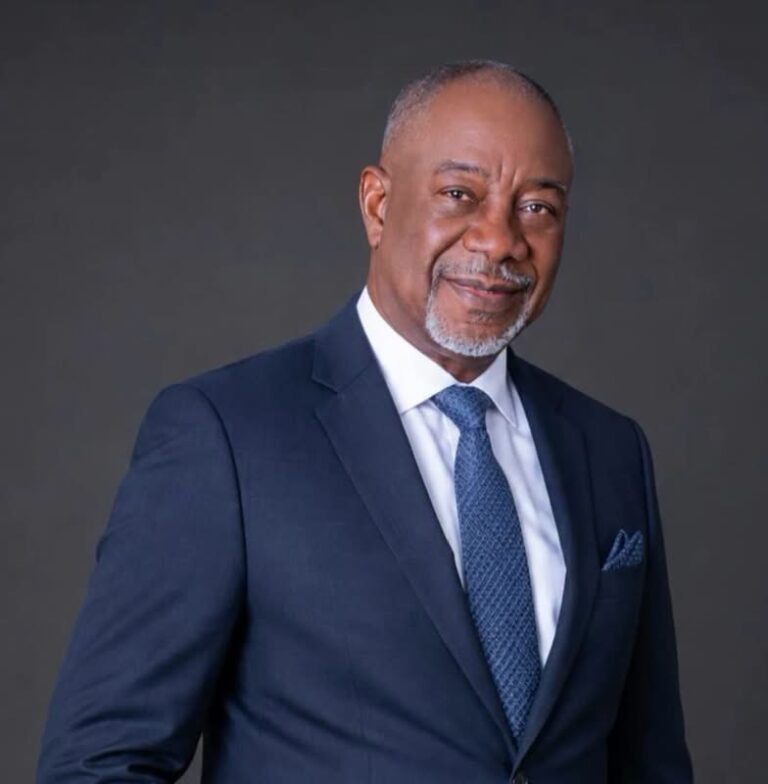
Odii is not a typical opposition placeholder. He is a self-made businessman (founder and chairman of Orient Global Group), philanthropist with visible footprints in education, empowerment, and community projects across Ebonyi, and a repeat candidate who already has name recognition.
His “Anyi Ga Emeya” (We Shall Do It) support group and other structures are framing him as a competent, results-oriented alternative focused on human capital, infrastructure, and economic revival.
Critically, he hails from Onicha LGA in Ebonyi South Senatorial District. This triggers the perennial zoning debate in Ebonyi politics — an unwritten rotation among the three senatorial zones (North, Central, South) that many see as key to stability.
Pro-Nwifuru groups from the South have openly told Odii to shelve his ambition to preserve the rotation, while Odii’s backers dismiss zoning as secondary to competence and delivery.
The fact that zoning arguments are already raging publicly shows Odii has forced the APC to fight on terrain they would prefer to control through incumbency alone.
Nwifuru’s “Ranting” and the Godfather Factor
Nwifuru and top APC figures (including National Chairman Prof. Nentawe Yilwatida) have repeatedly declared Ebonyi an “APC state” with “no place for opposition.” Nwifuru has made statements threatening to “consume” anyone trying to destabilise the state.
PDP leaders have interpreted these as clear signs of a governor “troubled by the prospect of rejection” in 2027.
His godfather, former Governor and current Minister David Umahi, has thrown his full weight behind Nwifuru’s re-election and President Tinubu’s second term.
Umahi’s endorsement carries enormous weight in Ebonyi — he built much of the current political structure. On paper, this combination (incumbent + powerful godfather + APC federal alignment) should be unassailable.
Yet the agitation persists. This suggests the godfather’s influence, while still potent, is no longer sufficient to suppress dissent or guarantee monolithic support.
The Most Damaging Development: Kinsmen Defection
Perhaps the clearest indicator of Nwifuru’s unease is the June 2026 communiqué from the Umuekumenyi Leaders’ Council — explicitly described as his kinsmen covering multiple LGAs including areas linked to his Izzi roots in Ebonyi North. They formally disowned him and adopted Odii as their preferred candidate for 2027.
Their stated reasons were governance-related: economic hardship, youth unemployment, slowdown in development, lack of transparency, and a perceived disconnect between government and the people. They prioritised “competence, capacity, vision, accountability” over zoning or loyalty.
When a governor’s own kinsmen publicly withdraw support and back the opposition candidate months before campaigns officially begin, it is politically seismic.
It validates the narrative that segments of the electorate — even within Nwifuru’s traditional base — are shifting toward Odii’s camp on the strength of his private-sector track record and perceived fresh approach.
Broader Dynamics at Play
– Performance narrative: Odii and his supporters are already questioning deliverables under Nwifuru. The state government has responded defensively, highlighting projects and security gains.
In Nigerian politics, perception often trumps reality in the early phase of a campaign.
– Early momentum: Support groups are already clashing over zoning and candidate legitimacy. Odii is unveiling “packaged” four-year plans. This pre-campaign activity creates momentum and forces the incumbent onto the defensive.
– National vs local: While APC enjoys federal backing, local grievances (economy, infrastructure, inclusion) can override national party loyalty, especially in a state like Ebonyi where development expectations remain high.
Bottom Line
Nwifuru is not “rumpled” because he is weak in absolute terms — he still commands the instruments of incumbency, party structure, and Umahi’s formidable network.
He is agitated because the combination of a credible, well-resourced PDP candidate in Odii, early and visible mobilisation, zoning controversies that split even his home senatorial zone, and the highly symbolic defection of his own kinsmen has punctured the illusion of an effortless walkover.
In Ebonyi politics, when kinsmen and early support structures begin moving toward the opposition before the real campaign season opens, it signals that the ground is shifting.
Nwifuru’s loud assertions of dominance and threats against opposition are classic symptoms of a leader who senses the race may be tighter — and more consequential — than the 2023 victory suggested.
The coming months will test whether Nwifuru can re-consolidate his base through visible governance or whether Odii’s appeal as a “competent alternative” continues to erode the APC’s assumed monopoly in the state.
Politics in Ebonyi, like elsewhere, remains a contest of narratives, delivery, and alliances — and right now, the PDP narrative is gaining surprising early traction.
Pamela O.
Political Analyst and Columnist.
About the Author