France-Nigeria MOU
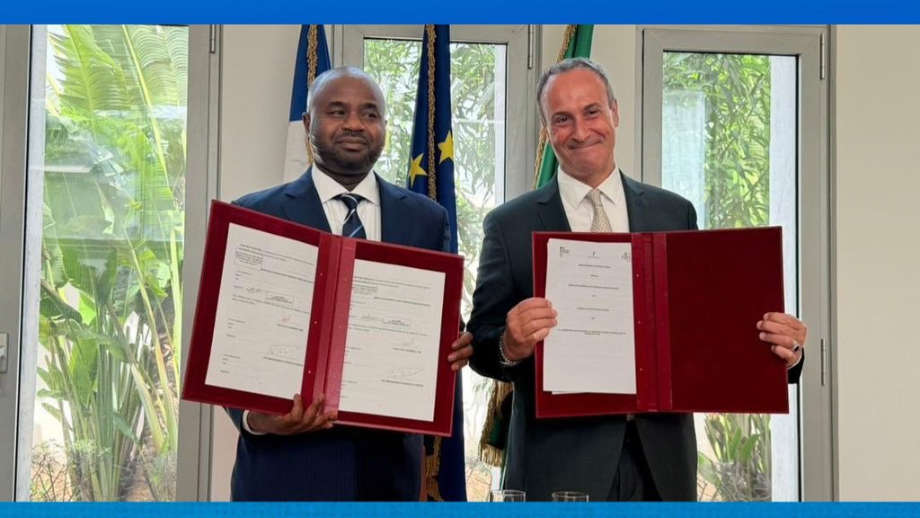
In December 2025, Nigeria’s Federal Inland Revenue Service (FIRS) signed a Memorandum of Understanding (MoU) with France’s Directorate Générale des Finances Publiques (DGFP) to enhance digital tax administration, capacity building, and cross-border enforcement.
The agreement aims to modernize Nigeria’s tax systems by leveraging French expertise in AI-powered audits, automated compliance, and data-driven tools, especially as Nigeria transitions to the new Nigeria Revenue Service in 2026. Proponents, including FIRS Chairman Zacch Adedeji, frame it as a mutual exchange: Nigeria gains advanced technology, while France learns from Africa’s digital innovations.
However, this partnership has ignited fierce debate, with critics arguing that aligning with France—Africa’s former colonial powerhouse—is a profoundly risky choice for President Bola Tinubu’s administration.
Fears center on potential loss of data sovereignty, indirect “dashboard access” to Nigeria’s economic data, and suspicions that France is using Nigeria to recoup influence and revenue lost in the Sahel region.
The Core Concerns: Sovereignty and Hidden Access
The MoU explicitly states no foreign entity will gain direct access to Nigeria’s raw tax data, infrastructure, or operational control—FIRS has repeatedly clarified this amid backlash. Yet, the deal involves sharing aggregated, anonymized economic information, including insights on multinationals, transfer pricing, and profit-shifting. Critics contend this could still provide France with a “dashboard” into Nigeria’s fiscal patterns, revealing vulnerabilities in its economy.
As one observer noted, “Allowing France into our tax system is effectively giving them a dashboard on our economy.” Such visibility might allow indirect influence over policy or enforcement, echoing historical French control mechanisms. In an era of digital interdependence, even anonymized data exchanges raise alarms about long-term sovereignty erosion, especially for a nation like Nigeria striving for economic independence.
France’s Motivations: Offsetting Losses from the AES Exodus?
France’s eagerness for this deal coincides with its diminishing grip on former colonies in the Alliance of Sahel States (AES)—Mali, Burkina Faso, and Niger. These countries formally exited ECOWAS in January 2025 (after announcing in 2024) and have accelerated decolonization efforts, including plans to abandon the CFA franc, a currency long criticized as a tool of French neo-colonialism (pegged to the euro with reserves held in France).
The AES nations have expelled French troops, severed military ties, and pursued a new common currency to assert full sovereignty. France has suffered economic and strategic setbacks: lost military bases, reduced influence over resources (like Niger’s uranium), and disrupted revenue flows from the CFA system.
Against this backdrop, Nigeria—Africa’s largest economy and a non-francophone powerhouse—represents a lucrative alternative. Broader Tinubu-France ties, including security cooperation and investment deals, suggest Paris views Nigeria as a pivot to maintain West African relevance. Critics fear the tax MoU is part of this strategy: by “assisting” Nigeria, France could indirectly offset Sahel losses through enhanced bilateral revenue insights or future leverage.
Why This Choice Feels Particularly Risky for Tinubu
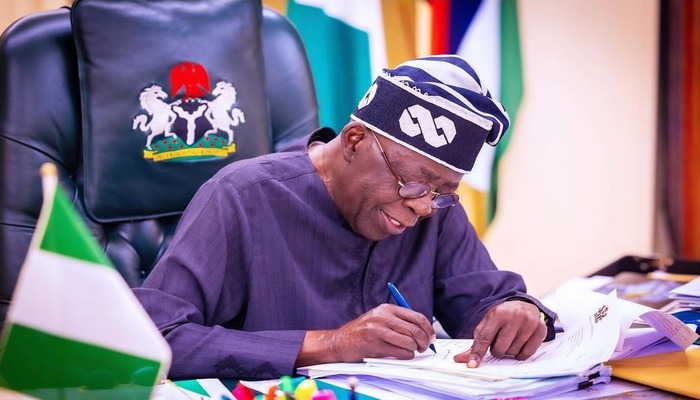
President Tinubu’s administration has pursued pragmatic foreign partnerships amid domestic challenges like inflation and security threats.
Tax reforms (signed into law in June 2025) aim to boost Nigeria’s low tax-to-GDP ratio without overburdening citizens, and technical cooperation could accelerate digital efficiency.
Yet, choosing France carries unique baggage. Historical Franco-Nigerian tensions—dating to colonial rivalries and France’s perceived meddling in Africa—fuel skepticism. As Sahelian nations reject French dominance in the name of sovereignty, Nigeria’s embrace risks portraying it as complicit in neo-colonial dynamics, potentially undermining its pan-African leadership credentials
Public sentiment on platforms like X reflects this unease, with accusations of “silent recolonization” and warnings that Nigeria could become France’s “new cash cow.” While the partnership offers short-term gains in compliance and revenue, the long-term risks—eroded autonomy, geopolitical entanglements, and regional backlash—could outweigh them
In a continent increasingly assertive against external influence, Tinubu’s France pivot invites scrutiny: Is this bold modernization or a perilous concession? Only time will reveal if safeguards hold, but the fears of neo-colonial overreach are well-grounded in history and current Sahel realities. Nigeria deserves partnerships that unequivocally prioritize its sovereignty first.