In the rough arena of Nigerian politics, where ethnicity often serves as both weapon and shield, few things are as predictable—or as disheartening—as the tribal lynch mob that assembles the moment a non-indigene dares to deliver results. Hon. Jesse Okey-Joe Onuakalusi, the Labour Party lawmaker representing Oshodi-Isolo II Federal Constituency, is the latest target. His “crime”? Publishing lists of beneficiaries from empowerment programmes that critics claim tilt heavily toward Igbo women and youths. The hysterical response: “We won’t allow an Igbo state within Yorubaland.”
This is not governance critique. It is raw ethnic supremacy dressed in the language of indigeneity. And it dishonours the very idea of representative democracy.
The Record Speaks Louder Than the Slurs
I have followed Hon. Jesse Okey-Joe Onuakalusi’s journey—from his background as a lawyer, civil rights activist, and Street Law initiator providing free legal aid to market women and traders across Lagos, to his upset victory in 2023 over an entrenched APC incumbent.
He won with real votes, not ethnic quotas. Lagos is a cosmopolitan melting pot, not a Yoruba fiefdom where non-Yoruba representatives must grovel or face expulsion. The constitution does not require ethnic purity for elected office; it demands service to constituents.
Hon. Onuakalusi has focused on tangible deliverables: skills training (including programmes in China and South Africa), SME support, education advocacy, water access, and community policing as Vice Chairman of the House Committee on Internal Security.
These are not abstract promises.
In a constituency with a substantial Igbo-speaking population—long settled in Oshodi, Isolo, and environs, contributing to its economy as traders, artisans, and professionals—any representative worth his salt would engage that demographic.
Empowerment is not a zero-sum tribal ledger. If qualified, capable women and youths from Igbo communities applied and benefited, that reflects outreach, not conspiracy.
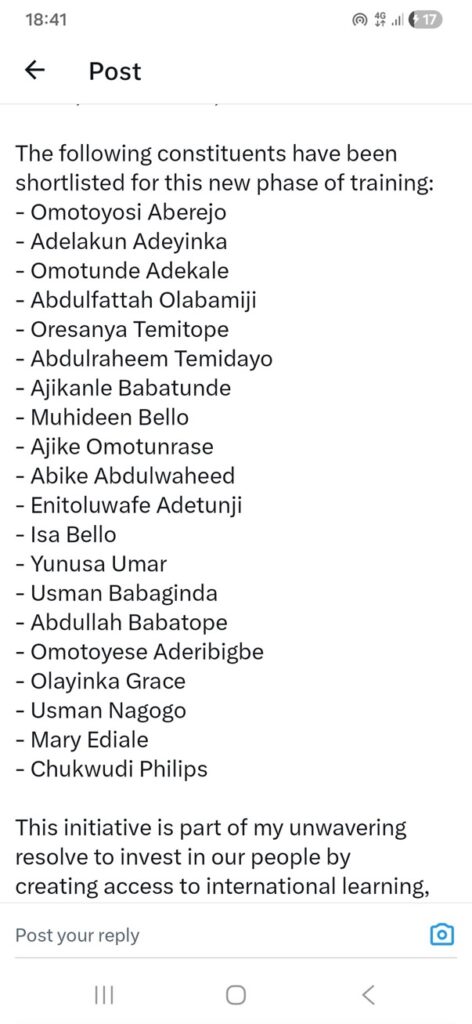
Critics fixate on headcounts (24 Igbo vs. 5 Yoruba in one list, or ratios 19 Yoruba vs. 1 Igbo in similar training cohorts). Where is the evidence these funds were illegally diverted or that Yoruba applicants were systematically excluded on ethnic grounds? They have a list dominantly yorubas. So one can see absent of any discrimination by him, then this is selective outrage.
Nigerian politicians across zones routinely channel opportunities toward their support bases and networks—whether kin, party loyalists, or community ties. The difference here is the convenient tribal framing because the lawmaker is Igbo in “Yorubaland.”
The Dangerous Hypocrisy of “No Igbo State in Yorubaland
The inflammatory rhetoric—“force it from you,” “Igbo state within Yorubaland”—reveals the true motive: not accountability, but nativist resentment that an “outsider” was elected and is performing.
Lagos thrives precisely because it transcends such parochialism.
Its economy, infrastructure, and vibrancy draw from every ethnic group. Igbo traders, Yoruba professionals, Hausa transporters, and others built modern Oshodi-Isolo together.
Threatening political violence or non existent exclusion over empowerment lists erodes the social contract that allows non-indigenes to vote, pay taxes, and hold office.
This mirrors the worst instincts in Nigerian politics: the same tribal gatekeeping that has frustrated national cohesion for decades. Where were these voices when previous representatives (often Yoruba) channeled projects disproportionately to their own networks? Selective amnesia is convenient.
True federalism and restructuring—debated seriously by thoughtful Nigerians—would address structural imbalances without descending into ethnic cleansing of political opportunity.
Merit, Not Bloodline
Hon. Jesse Okey-Joe Onuakalusi’s response should be measured transparency: full disclosure of selection criteria (applications received, qualifications, geographic spread).
He has reportedly released additional lists with broader names to address concerns. That is how adults govern. Not with threats of “forcing respect.”
Lagosians—Yoruba and non-Yoruba alike—voted for competence in 2023 amid national frustration with the status quo. Punishing delivery because of the rep’s surname sets a terrible precedent.
Will future representatives from minority groups in other states face the same ethnic audits?
Nigeria’s progress demands we judge leaders by deliverables—jobs created, skills transferred, lives improved—not by how perfectly they mirror the ethnic majority of their constituency.
Hon. Jesse Okey-Joe Onuakalusi has shown energy and focus in his first term. Tribal warriors seeking to turn empowerment into ethnic warfare do a disservice to their own people and to the cosmopolitan spirit that makes Lagos Africa’s most dynamic city.
The real “state within a state” Nigeria must reject is not Igbo enterprise in Oshodi. It is the poisonous tribalism that prioritizes blood over bread, ancestry over achievement. Development has no ethnicity.
Service to constituents should not either.
Pamela O., on underserved tribal slurr against Hon. Jesse Okey-Joe Onuakalusi
About the Author