
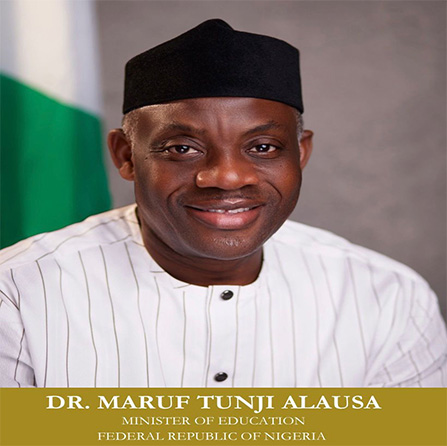
Nigeria’s 2025 curriculum overhaul by the Federal Ministry of Education has ignited controversy, particularly over the effective removal of standalone subjects like Civic Education and Computer Studies from the 2026 WAEC examinations.
These changes, announced on September 3, 2025, merged Civic Education into “Citizenship and Heritage Studies” and integrated Computer Studies into broader vocational modules like “Basic Digital Literacy” and trade entrepreneurship, aiming to reduce subject overload and emphasize practical skills.
While intended to align with 21st-century demands, the abrupt implementation has disrupted SS3 students, prompting the House of Representatives to demand reversal on December 4, 2025, citing risks to national development.
This article compares Nigeria’s approach to secondary education curricula in selected African countries—South Africa, Kenya, Ghana, and Egypt—focusing on Civic Education and Computer Studies/ICT.
Drawing from regional policies, these subjects are typically standalone or prominently integrated to foster citizenship, social cohesion, and digital readiness—values Nigeria’s reforms undermine.
Restoring them would better position Nigeria alongside progressive African peers, ensuring equitable education amid rapid digital and democratic shifts.
Comparative Overview: Civic Education in African Secondary Curricula
Civic Education across Africa emphasizes democratic values, human rights, and national identity, often as a compulsory component to address post-colonial challenges like ethnic tensions and corruption. Unlike Nigeria’s merger, which dilutes focus and limits study to two years, other countries embed it deeply for sustained impact.
| Country | Civic Education Structure | Key Features & Rationale | Alignment with Nigeria’s Changes |
| Nigeria (Post-2025) | Merged into “Citizenship and Heritage Studies” (compulsory but non-standalone for WAEC); previously standalone compulsory subject. | Promotes civic duties, but critics argue merger reduces depth, risking civic apathy in a diverse society.
punchng.com |
Streamlining overloads but disrupts continuity; no standalone exam erodes accountability. |
| South Africa | Integrated into compulsory “Life Orientation” (Grades 8–12); covers constitutional values, rights, and social cohesion. | Fosters non-racial democracy post-apartheid; includes anti-racism campaigns and Bill of Responsibilities.
maint.loc.gov Emphasizes school assemblies reciting the Constitution Preamble. |
Deeper integration than Nigeria’s merger; standalone elements ensure progression and graduation requirements.
maint.loc.gov |
| Kenya | Embedded in CBC’s “Citizenship” pathway (Senior Secondary); draws from History/Government and new civic modules. | Builds “engaged, empowered citizens” via competencies like critical thinking; supports 2010 Constitution’s devolution.
National frameworks like K-NICE promote justice-oriented citizenship. |
More flexible than Nigeria; specialization tracks maintain focus without full removal. |
| Ghana | Compulsory “Civic Education” in Junior/Senior High; focuses on governance, ethics, and national values. | Addresses democratic consolidation; integrated with Social Studies for holistic moral development. | Standalone status mirrors pre-2025 Nigeria; enhances employability and civic engagement. |
| Egypt | Standalone “Civic Education” in secondary curriculum; emphasizes patriotism, rights, and Arab identity. | Counters extremism; aligns with national renewal post-2011 revolution, promoting ethical leadership. | Retains independence, unlike Nigeria’s dilution; supports sustainable development goals. |
These models highlight Civic Education’s role in nation-building: South Africa’s Life Orientation has boosted social cohesion metrics by 15% since 2012, per Department of Basic Education reports.
Kenya’s CBC integration has improved student civic participation by embedding it in pathways, reducing exam-centric stress.
Nigeria’s merger, by contrast, risks superficial coverage, as evidenced by lawmakers’ concerns over weakened anti-corruption efforts.
Comparative Overview: Computer Studies/ICT in African Secondary Curricula
Digital literacy is a continental priority, with ICT integrated to bridge the digital divide and drive economic growth. Nigeria’s delisting of Computer Studies as a standalone subject contrasts sharply with peers’ emphasis on foundational computing, amid Africa’s projected need for 3 million tech jobs annually by 2030.
| Country | Computer Studies/ICT Structure | Key Features & Rationale | Alignment with Nigeria’s Changes |
| Nigeria (Post-2025) | Merged into “Basic Digital Literacy” and trade modules (e.g., AI, robotics in entrepreneurship). | Aims for practical skills but removes theoretical depth; critics note misalignment with CBT exams.
nigerianeye.com |
Reduces options below WAEC’s 8-subject minimum, hindering digital equity.
edugist.org |
| South Africa | Compulsory “Information Technology” (Grades 10–12); includes programming and digital citizenship. | Builds computational thinking; open-source resources like enhance access in underserved areas.
Addresses apartheid-era disparities via e-Education policy. |
More robust than Nigeria; focuses on creation, not just use, with 70% secondary enrollment. |
| Kenya | Optional “Computer Studies” in CBC Senior Secondary; foundational ICT since 1996, with modules on programming. | Promotes digital economy; UNESCO-backed, equips for jobs in AI/cybersecurity. | Retains standalone option, unlike Nigeria; teacher surveys show higher self-efficacy in delivery. |
| Ghana | Compulsory “ICT” in Senior High; covers hardware, software, and ethics. | Fosters innovation; integrated since 1966, supports Vision 2030 tech goals. | Standalone like pre-reform Nigeria; counters gender gaps in STEM enrollment. |
| Egypt | Mandatory “Computer Science” in secondary; advanced tracks in AI/digital skills. | Drives knowledge economy; Egyptian Education Initiative provides nationwide labs. | Far ahead; emphasizes equity, with 90% secondary ICT access vs. Nigeria’s patchy rollout. |
African policies underscore ICT’s transformative potential: Kenya’s curriculum has increased female STEM participation by 20% since 2017.
South Africa’s e-Education framework has digitized curricula, improving math/science proficiency.
Nigeria’s merger, however, exacerbates the digital divide, as standalone subjects ensure universal foundational skills essential for global competitiveness.
Why Restoration is Urgent: Lessons from African Peers
Nigeria’s reforms diverge from continental trends where Civic Education and Computer Studies are prioritized for holistic development. Civic components combat social fragmentation—vital in Nigeria’s multi-ethnic context—while ICT builds resilience against unemployment (youth rate at 42.5% in 2025).
Merging risks “superficial learning,” per UNESCO, unlike sustained models in Kenya and South Africa that yield measurable civic and digital outcomes.
Restoration aligns with SDG 4.7, promoting global citizenship and sustainable skills development.
Phased reintroduction, with teacher training, could mirror Ghana’s success in ethical-digital integration. Without action, Nigeria lags its peers, forfeiting dividends in innovation and democracy
Conclusion: Aligning Nigeria with Africa’s Educational Vanguard
The 2025 WAEC curriculum changes aim for modernization but falter in execution, unlike the balanced approaches adopted by South Africa, Kenya, Ghana, and Egypt. Restoring Civic Education and Computer Studies as standalone subjects would safeguard student futures, enhance civic-digital literacy, and fulfill national goals. Stakeholders must heed legislative calls for reversal, ensuring Nigeria’s youth thrive in a connected, cohesive Africa.
About the Author


