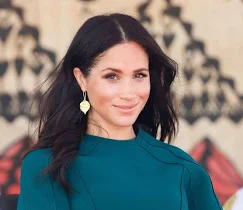
Meghan Markle’s declaration on *The Jamie Kern Lima Show* that she is “done with the prove it game” reflects a pivotal moment in her journey, shaped by years of intense public scrutiny and personal challenges.
This statement, made in a candid podcast interview in April 2025, resonates with her desire to break free from the constant pressure to justify her worth, actions, and identity to a critical audience.
Below, we explore the factors that led to this stance and the public’s expectations of her moving forward.
What Led Meghan to Say She’s Done with the “Prove It Game”?
1. **Relentless Media and Public Scrutiny**
Since her relationship with Prince Harry became public in 2016, Meghan has faced a barrage of criticism, often laced with racial and gendered undertones. British tabloids and social media trolls targeted her background, career, and behavior, with some outlets accused of racist portrayals. For instance, a 2016 statement from Prince Harry condemned the “wave of abuse and harassment” she endured, highlighting “racial undertones” in media coverage.
This hostility intensified during her time as a working royal, with Meghan describing 2019 as “almost unsurvivable” due to negative press. The cumulative toll of being asked to “prove” her suitability as a royal, mother, or public figure has clearly worn her down.
2. **Expectations of Royal Life**
As a member of the royal family, Meghan was bound by rigid protocols, such as sharing family photos through the Royal Rota, which she found restrictive and invasive. She expressed frustration at having to give photos to outlets that she felt attacked her, particularly those that used derogatory language toward her children.
The “prove it” game in this context meant constantly meeting the monarchy’s expectations while navigating a media landscape she perceived as adversarial. Her exit from royal duties in 2020 was partly a rejection of this dynamic, as she sought greater control over her narrative.
3. **Personal Struggles and Mental Health**
Meghan’s openness about her mental health struggles, including suicidal thoughts during her pregnancy with Archie, underscores the emotional weight of public judgment. In her 2021 Oprah Winfrey interview, she revealed that the royal institution offered little support, leaving her feeling isolated.
The need to “prove” her resilience while facing accusations of lying about her mental health—such as Piers Morgan’s claim that he “wouldn’t believe her if she gave a weather report”—likely fueled her exhaustion with external validation.
4. **Societal Pressures on Women and Minorities
Meghan’s statement also speaks to broader societal expectations, particularly for women and people of color. On *The Jamie Kern Lima Show*, she articulated the exhaustion of proving she’s “pretty enough, smart enough, or a good wife.”
As a biracial woman, she faced unique pressures to conform to traditional royal ideals while being criticized for her advocacy on issues like racial equality and feminism. British media’s fixation on her, often described as “misogynoir,” amplified the demand to justify her place in spaces historically dominated by white, aristocratic figures.
Her rejection of the “prove it” game is a stand against these systemic demands.
5. **Recent Professional Setbacks**
Meghan’s post-royal ventures, including her Netflix series *With Love, Meghan* and her lifestyle brand American Riviera Orchard, have met mixed reactions. The Netflix show faced ridicule from some American media, and her podcast *Confessions of a Female Founder* was accused of copying an existing title.
These criticisms, coupled with delays in her brand launch due to trademark issues, may have heightened her frustration with having to “prove” her credibility as an entrepreneur. Her statement suggests a desire to redefine success on her own terms, rather than society’s.
What Does the Public Expect from Meghan Henceforth?
Meghan’s declaration has sparked varied reactions, with supporters celebrating her authenticity and critics questioning her motives. Public expectations moving forward can be grouped into several key areas:
1. **Authenticity and Transparency**
Fans, as seen in X posts, view Meghan’s stance as “liberation” and a rejection of performative humility. They expect her to continue being unapologetically herself, sharing personal insights through platforms like her podcast and Netflix series.
Supporters hope she’ll focus on projects that reflect her values, such as mental health advocacy and women’s empowerment, without bowing to media pressure.
2. **Successful Ventures**
With her lifestyle brand and media projects underway, the public—particularly in the U.S.—expects Meghan to deliver polished, original content.
Critics, however, will likely scrutinize her for perceived missteps, as seen in accusations of plagiarism or comparisons to figures like Martha Stewart. The Hollywood Reporter’s claim that “Hollywood keeps quitting on Harry and Meghan” suggests she’ll need to prove her staying power in a competitive industry, despite her rejection of the “prove it” mindset.
3. **Continued Advocacy**
Meghan’s work with the Archewell Foundation, including initiatives like The Parents Network and partnerships with organizations like Screen Sanity, has solidified her role as a social advocate. The public expects her to maintain her focus on issues like online safety, gender equality, and diversity, especially after her and Harry’s statement condemning Meta’s fact-checking rollback. Her ability to effect change without royal backing will be closely watched.
4. **Reconciliation with the Royal Family**
Some in the UK hope Meghan will soften her criticisms of the monarchy, though experts like Ingrid Seward argue she’s unlikely to win back British public favor after airing grievances.
Her Colombia tour, seen by some as an attempt to “prove” her star power, stirred controversy for mimicking royal duties. Critics expect her to clarify her relationship with the royals, while supporters want her to remain independent of “The Firm.”
5. **Resilience Amid Criticism**
The British public, as noted by commentator Marcus Ryder, often disapproves of Meghan’s willingness to “make a fuss” rather than quietly endure hardship—a cultural expectation rooted in stoicism.
Her refusal to play the “prove it” game may invite further backlash, with detractors demanding she substantiate her claims or fade from the spotlight. Conversely, her American audience may expect her to lean into this defiance, embracing her role as a disruptor.
Conclusion
Meghan Markle’s rejection of the “prove it” game stems from a decade of navigating racist media narratives, royal constraints, personal trauma, and professional hurdles.
It’s a bold assertion of self-worth, signaling her intent to prioritize authenticity over external validation.
Moving forward, the public’s expectations are polarized: supporters want her to thrive as an independent voice, while critics demand she either conform or retreat.
Regardless, Meghan’s statement suggests she’s ready to chart her path unburdened by the need to “prove” herself, though the spotlight—and its pressure – will likely persist
About the Author