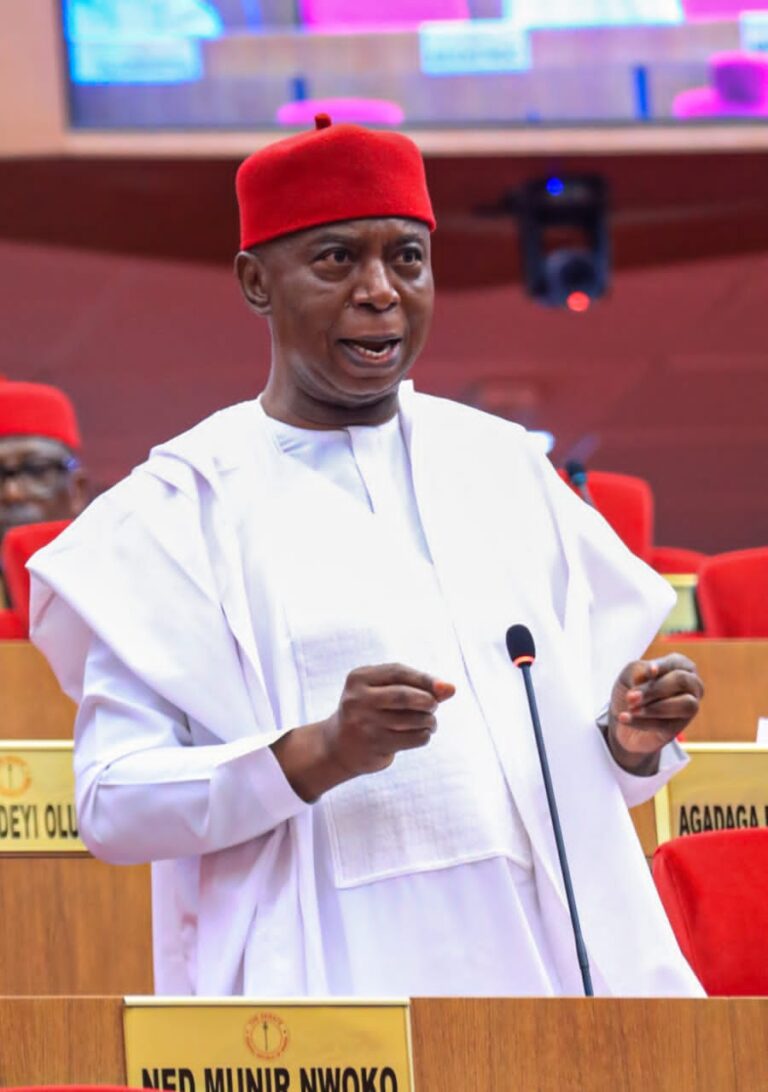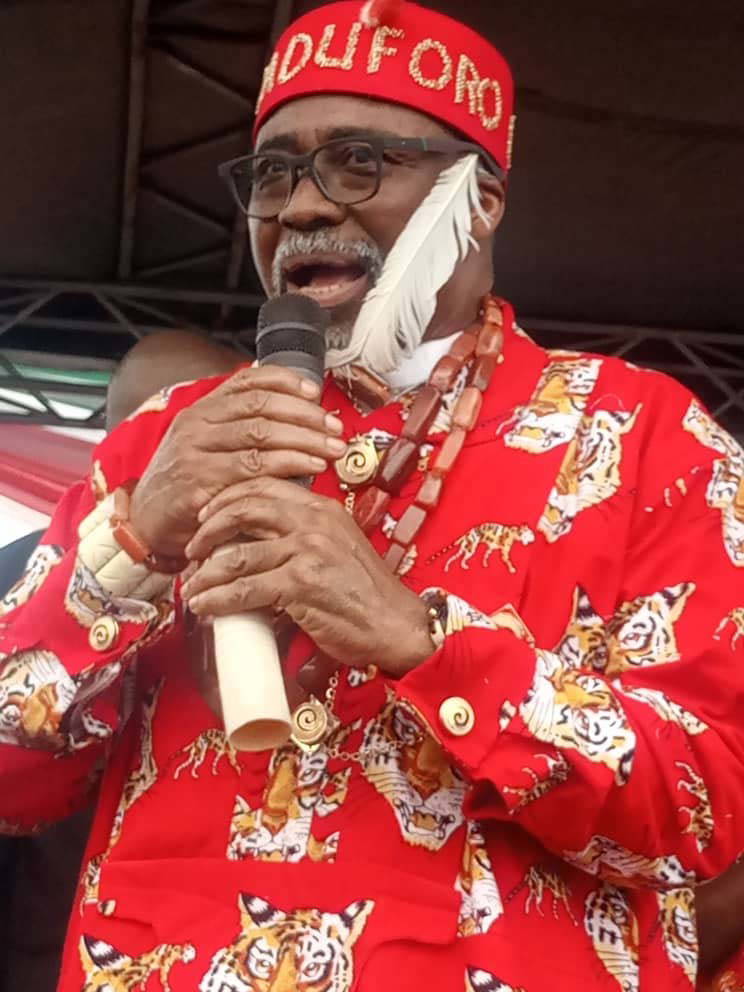
In a Senate session marked by legislative efficiency, lawmakers on July 9-11, 2026, passed the Chartered Out-of-Home Media Practitioners of Nigeria (Establishment) Bill 2026, sponsored by Senator Enyinnaya Abaribe (Abia South).
Following the adoption of the joint committee report from Establishment and Public Service Matters, Information and National Orientation, and Media and Public Affairs, the bill advanced swiftly through clause-by-clause consideration and a voice vote.
This legislation establishes a dedicated regulatory body for out-of-home (OOH) media practitioners — the professionals and entities behind billboards, transit ads, digital displays, hoardings, and other outdoor advertising infrastructure that shape Nigeria’s public spaces and commercial landscape.
What the Bill Entails
Out-of-home media forms a vital part of Nigeria’s advertising ecosystem, influencing everything from brand visibility to urban aesthetics and public safety.
For decades, the sector has operated with limited structured oversight, leading to challenges like quackery, poorly maintained structures posing safety risks, inconsistent standards, environmental concerns, and fragmented regulation across federal, state, and local levels.
The bill seeks to address these by:
– Creating a Chartered Professional Body: This body will set standards for knowledge, skills, ethics, and practice in OOH media. It aims to professionalize ownership, installation, maintenance, and management of outdoor assets, similar to chartered bodies in accounting, engineering, or law.
– Promoting Professionalism and Competence: It emphasizes training, certification, adherence to technical and safety standards (including engineering best practices), and continuous development. The goal is to elevate practitioners beyond informal operators to recognized professionals.
– Providing a Legal Framework: This includes regulating the practice, fostering ethical conduct, and ensuring alignment with technological advancements and international benchmarks.
– Enhancing Order and Safety: Supporters highlight reduced charlatanism, better-maintained billboards (preventing collapses or visual pollution), and improved environmental aesthetics.
Senate President Godswill Akpabio noted that the law would bring “sanity, order, and professionalism” to the media space, as irresponsible practices can have broader societal impacts.
Importantly, the bill focuses on the infrastructure and practice side of OOH (the physical assets and operational standards) rather than content regulation, which remains with the Advertising Regulatory Council of Nigeria (ARCON).
Proponents, including voices from the Outdoor Advertising Association of Nigeria (OAAN), have positioned it as complementary, not duplicative.
The legislation passed it after earlier public hearings and stakeholder inputs, despite some opposition from ARCON, certain federal agencies, and advertising groups concerned about overlap or fragmentation.
The joint committee ultimately deemed it “well conceived, timely, and in the national interest.”
Abaribe’s Legislative Footprint and Political Capital
Senator Enyinnaya Abaribe, a veteran lawmaker and Chairman of the Senate Committee on Power, once again demonstrates why consistent legislative engagement matters.
Sponsoring and steering this bill to passage adds another feather to his cap — building on his track record in areas like power sector reforms.
In a National Assembly Abaribe’s success here reflects effective committee work, stakeholder navigation, and persistence through earlier debates.
For OOH practitioners, this represents a long-sought recognition of their sector as a distinct profession requiring structured expertise, not just capital or connections.
It could unlock greater investment, investor confidence, and collaboration with local governments on permitting and standards.
Critics may still worry about potential bureaucratic hurdles or implementation challenges in Nigeria’s federal system, but the core intent — curbing disorder while professionalizing a visible industry — aligns with broader goals of economic formalization and urban planning.
In an era where public spaces increasingly double as advertising canvases, regulating OOH responsibly is not just good for business; it’s good governance.
Kudos to Senator Abaribe for championing this. As the bill awaits further legislative steps and potential presidential assent, its success could set a model for professionalizing other niche sectors.
Nigeria’s outdoor media landscape stands to gain much-needed structure — a meaningful win for order in a chaotic commercial environment.
Pamela O.
Political Affairs Analyst
About the Author