As a political analyst and columnist who has long be supporting the legitimate aspirations of the Anioma people for self-determination and equitable federal restructuring, I address Mr. Olisa Ifeajika’s recent remarks with clarity and facts.
The agitation for Anioma State is not a recent “insincere” or “selfish” political stunt, as implied. It is a decades-long collective demand rooted in historical, cultural, and developmental imperatives.
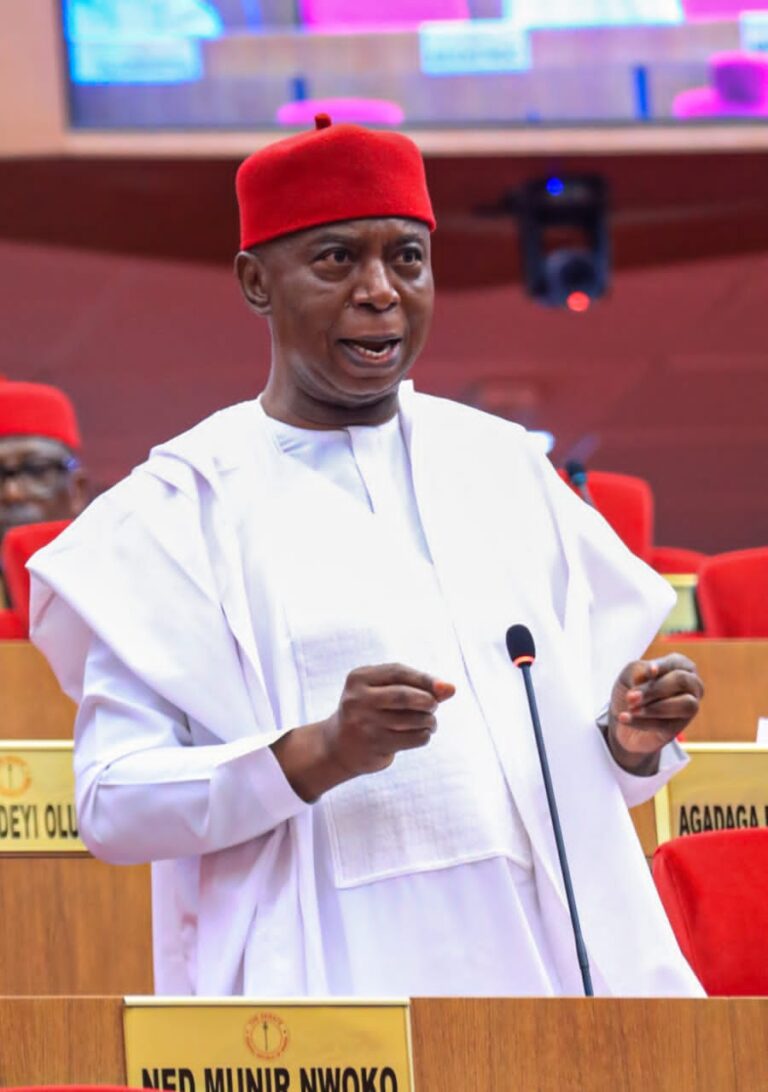
Senator Ned Nwoko’s leadership has injected fresh momentum into this quest, and attempts to cast doubts on it or tie it to personal rivalries do not diminish its validity.
Resting Fears: Oborevwori and Okowa Have Nothing to Fear from Genuine Agitation
Governor Sheriff Oborevwori and Senator Ifeanyi Okowa should rest easy. No credible stakeholder in the Anioma movement seeks to undermine Delta State’s stability or their legacies. The creation of Anioma would not erase their contributions but would address long-standing marginalization in Delta North, allowing focused development for the remaining Delta while empowering Anioma to thrive as a distinct entity.
Governor Oborevwori has publicly affirmed no opposition to the aspiration, provided it follows constitutional processes—a mature and democratic stance. His administration’s openness to the “expressed will of the people” aligns with the rule of law. Far from fearing division, true leadership embraces the people’s yearnings for equity.
Anioma’s emergence would complement, not diminish, Delta’s progress under his watch.
For Senator Okowa, his record of Anioma advocacy during his tenure is acknowledged by many. However, conditional support tied strictly to retaining South-South status and Asaba as capital introduces unnecessary caveats that have fueled perceptions of opposition.
Anioma people, as Igbo-speaking communities with deep cultural ties to the Southeast, deserve the right to align where their identity and strategic interests best fit—without it diminishing their Delta heritage or “Igboness,” as Ifeajika rightly notes in his analogy to other ethnic groups spanning states.
Ethnicity and geopolitics are not zero-sum; Anioma can retain its South-South roots while gaining from Southeast equity (addressing the zone’s five-state imbalance).
Fears of “politicization” cut both ways. Senator Nwoko’s bill (Senate Bill 481) and extensive lobbying—including securing endorsements from around 90 senators—represent proactive legislative action, not imposition. This builds on historical agitations dating back decades, predating any current rivalry.
Why Key Claims in Ifeajika’s Statement Are Not Fully Factual
1. No collective approach or briefing to the Governor”: This overlooks documented stakeholder engagements. Anioma youths from the nine LGAs have staged protests at the Government House in Asaba, pressing demands (including Southeast zoning). Traditional rulers, Izu Anioma, and other groups have mobilized broadly. Senator Nwoko has engaged widely, including with leaders and stakeholders. The process is consultative and ongoing—not a secret plot. State creation inherently involves National Assembly and referendum stages, where broad consensus emerges. Claiming zero awareness ignores public actions and media reports of these efforts.
2. Renewed agitation as “insincere and driven by selfish political interest”: This dismisses the substance. Nwoko’s bill addresses equity for Southeast representation, economic viability (agriculture, minerals, Asaba’s infrastructure), and historical justice. Support from monarchs, youths, and cross-party senators shows it’s not one-man driven.
Rivalry with Okowa exists, but the core demand long predates it. Labeling it insincere risks alienating the very people whose “collective will” is invoked. Broad consultations have happened; summits, endorsements by Izu Anioma, and public hearings demonstrate this.
3. Okowa’s unambiguous support only for South-South retention: Okowa has reiterated this preference, but public discourse shows tension, including accusations of misleading narratives around Nwoko’s push.
Many Anioma stakeholders and Southeast voices see alignment with the Southeast as logical for balancing zones and amplifying Igbo representation—without erasing South-South ties.
Imposing a rigid regional lock ignores the people’s evolving consensus and the constitutional flexibility for such matters. Nwoko’s approach honors identity while pursuing viability.
Anioma State creation requires genuine consensus, yes—but that consensus is building through democratic channels, not waiting for top-down approval. Imposing conditions that prioritize status quo over equity risks stalling progress.
Senator Nwoko deserves commendation for elevating this to national discourse, securing unprecedented senatorial backing, and keeping faith with generational agitators.
Nigeria’s democracy, as Ifeajika notes, matures through participation. Anioma’s quest exemplifies active citizenship. Let us prioritize the people’s will—via referendum and legislation—over political gatekeeping. Anioma State, with Asaba thriving as capital, would strengthen federalism, not fracture it.
Governor Oborevwori and Senator Okowa can lead by fully embracing this without preconditions. History will remember those who advanced equity. Senator Nwoko is doing exactly that.
-Pamela O.
About the Author