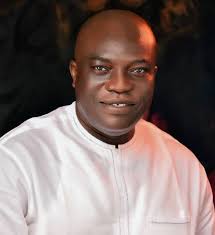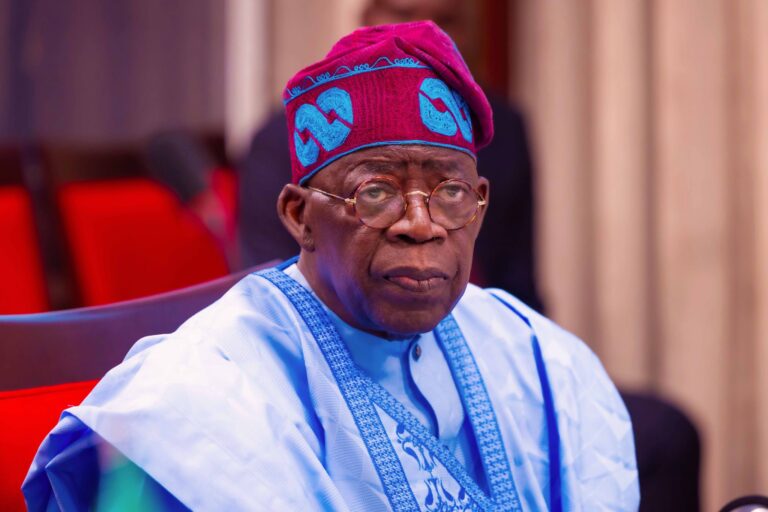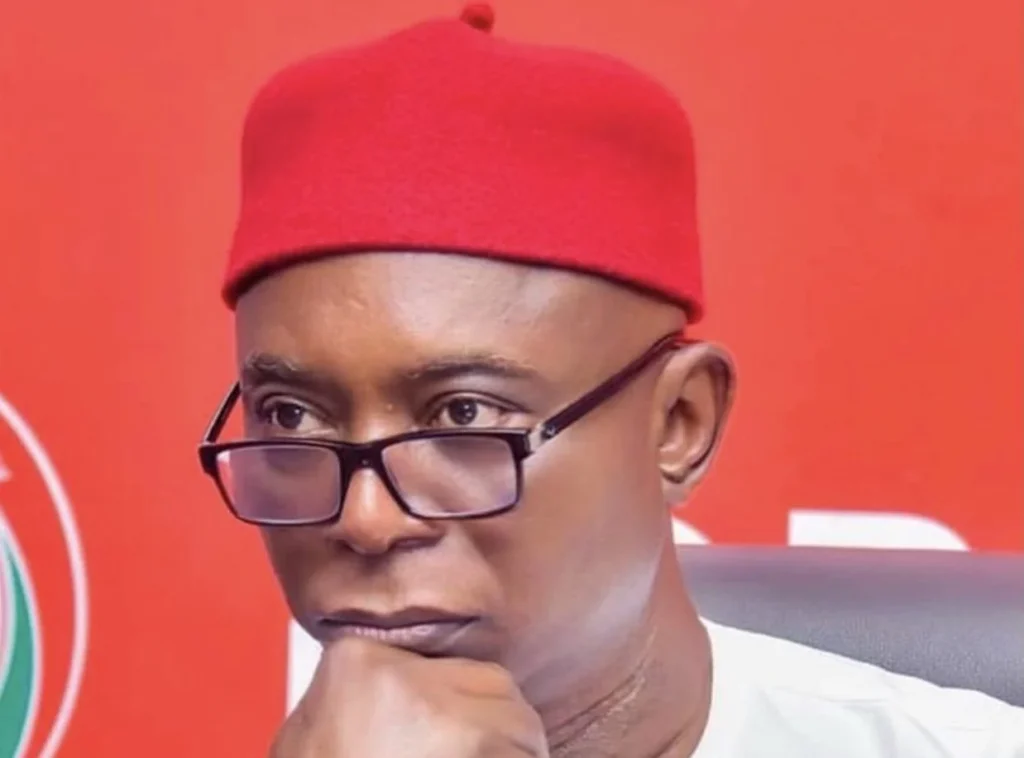
Senator Ned Nwoko
Anioma State Debate: A Dispassionate, Fact-Based Assessment from an Independent Observer
I have covered Delta North politics for over decade now, witnessing at least seven major attempts to create Anioma State falter—not due to lack of merit, but from excessive caution, internal divisions, or fear of ruffling feathers.
Historical efforts date back to the 1950s, led by figures like Sir Dennis Osadebay, the first Premier of the Midwest Region, and later by Senator Nosike Ikpo and Obi Professor Chike Edozien. These pushes, including during the 1991 Babangida era and the 2005-2006 Political Reform Conference, often stalled in committee stages or amid geopolitical wrangling.
In contrast, successful state creations like Akwa Ibom (1987) or Bayelsa (1996) succeeded through persistent advocacy, broad consensus, and strategic alignment with national priorities.
Senator Ned Nwoko’s bill, now at committee stage after passing first and second readings, marks the furthest progress since 1991.
Frank Ofili’s open letter, while courteous and rooted in genuine concern, calls for more dialogue over decisive action. Both perspectives hold value.
Below is a point-by-point appraisal based on verifiable facts, avoiding partisan bias.
- Consultation with Anioma Stakeholders
Fact: Senator Nwoko organized multiple meetings before and after introducing the bill, including a major stakeholders’ summit in Asaba on August 31, 2024, attended by over 100 organizations, traditional rulers from all nine LGAs, youth groups like Izu Anioma, and socio-cultural bodies such as Ndokwa Neku Union (NNU) and Onu-Ika.
Earlier sessions occurred in Abuja (June 2024), Kwale, Ogwashi-Uku, Agbor, and Ibusa.
Public hearings, like the one in Akwa Ibom in July 2025, drew massive Anioma turnout. NNU’s retired General Mike Ndubisi publicly endorsed it, noting benefits for Ndokwa’s underdeveloped oil-rich areas.
Observation: Some monarchs and leaders in Aniocha and Ndokwa have expressed they were not formally invited early enough or shown drafts, highlighting gaps in inclusivity.
Verdict: Consultations happened extensively, but broader documentation and earlier outreach could have mitigated grievances. This mirrors past failures where incomplete buy-in derailed progress.
- Engagement with South-South Colleagues
Fact: Nwoko briefed the South-South Senate caucus and held discussions with governors like Sheriff Oborevwori (Delta) and others in Bayelsa and Akwa Ibom. The South-South Governors’ Forum and BRACED Commission have issued no opposition statements. He has emphasized that Anioma’s creation would boost regional equity without severing ties.
Observation: Quiet concerns persist among South-South leaders about losing Anioma’s nine LGAs, potentially weakening the zone’s leverage in resource debates. Grassroots sentiments in Delta South and Central remain unaddressed fully.
Verdict: Leadership-level talks occurred, but deeper regional dialogue is needed to ease fears—similar to how Bayelsa’s creation from Rivers required careful negotiation to avoid lasting rifts.
- The “Capital Relocation” Rumour
Fact: Senate Bill 492 explicitly designates Asaba as the capital. Nwoko has reiterated this in at least seven interviews and public statements, with his aide, Chief Emmanuel Eboh, calling relocation claims “fake news” in November 2025.
The rumour stemmed from a misquoted media aide’s remark about future development.
Origin: Likely amplified by opponents; Asaba indigenes protested in December 2025, prompting Governor Oborevwori to call for calm.
Verdict: The rumour is baseless and debunked; persistence seems like political mischief, but a fresh reassurance could end it.
- Tone and Public Communication Style
Observation: Some responses on social media and TV have been sharp, labeling critics “paid agents” or “enemies of progress,” which alienated potential allies. However, Nwoko has also invited dialogue, tempered his approach in recent forums, and promised more town halls in 2026.
Verdict: A shift to a more conciliatory and sincere tone would build bridges; this is a fixable issue, unlike the combative styles that doomed earlier Anioma efforts.
- Allegations of Gubernatorial Ambition
Fact: Nwoko has repeatedly denied interest in becoming Anioma’s governor, stating in interviews and statements that his focus is generational equity, not personal gain. As an international lawyer and philanthropist with initiatives in education and health, he cites no declared ambition.
Some allies’ private comments have fueled speculation, but he has invited scrutiny of his record.
Verdict: Absent an explicit disclaimer, perceptions linger; one clear public statement could dispel this, preventing the distrust that undermined past statehood pushes.
- Collaboration versus “Bulldozing
Fact: The bill is at committee stage, open to amendments like zonal alignment. Endorsements are growing: 98 APC ward chairmen in Delta North, Ndokwa Youths, Ika United Front, and traditional councils support it. Nwoko has partnered with groups like Ohanaeze Ndi Igbo and held unity meetings.
Verdict: Claims of unilateralism are premature; the process remains flexible and people-driven, with recent polls showing majority Anioma support for creation, even if zonal debates continue.
- Elaborating on South-East Alignment Benefits
Aligning Anioma with the South-East addresses the zone’s unique shortfall of five states (versus six or seven elsewhere), ensuring equitable Senate representation (18 senators like others) and fairer resource allocation.
Culturally, Anioma’s Igbo roots—shared language, history, and identity—foster unity, as endorsed by Ohanaeze and Izu Anioma. Economically, it unlocks Anioma’s oil/gas reserves and human capital for regional growth, while maintaining South-South ties.
Politically, it corrects historical imbalances post-civil war, promoting national stability. Compared to Adada or Etiti proposals within the core South-East, Anioma’s inclusion offers broader viability, akin to how Ekiti’s 1996 creation balanced the South-West.
Final Observation
Senator Nwoko has advanced the Anioma dream further in 18 months than predecessors did in decades, rebooting a 70-year struggle with legislative momentum. Critics like Ofili provide a vital check, urging inclusivity and humility.
Both are essential: bold action to break inertia, and cautious voices to ensure unity. Simple adjustments—wider 2026 consultations, warmer rhetoric, and clear reassurances on Asaba and ambitions—could transform friction into consensus.
Anioma State is closer now than since 1967; let us prioritize equity over ego to seize this moment.
Pamela Amechi is an independent columnist writing from Lagos.