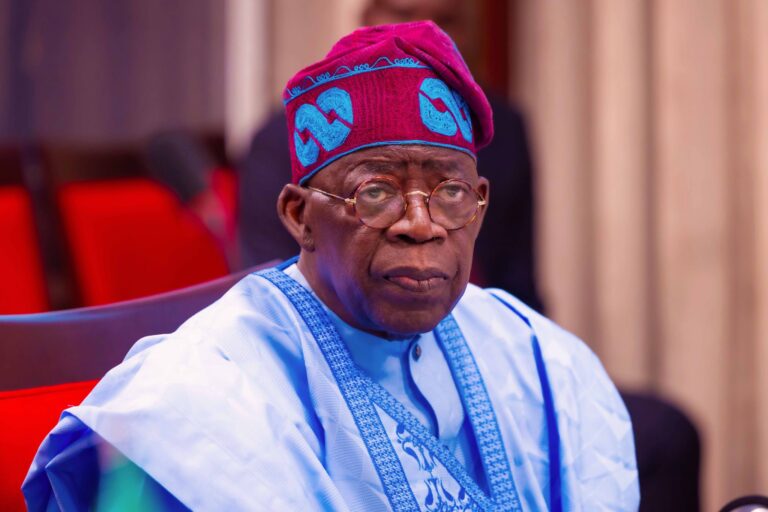
In the high-stakes arena of international diplomacy, where words can ignite alliances or fan flames of global condemnation, Nigeria’s Foreign Minister found himself cornered on a recent episode of *Piers Morgan Uncensored*.
https://x.com/jcokechukwu/status/1990847291519914325?s=46
The interview, which has since gone viral on platforms like X (formerly Twitter), exposed the raw underbelly of Nigeria’s festering religious tensions—particularly the escalating violence against Christians in the north and Middle Belt regions.
What began as a defense of his government’s record devolved into a tense exchange, with an outspoken Iranian activist dismantling the minister’s narrative with surgical precision.
Her accusations of state complicity in a “jihad” mirroring ISIS tactics and October 7th atrocities left him visibly uncomfortable, struggling to interject amid a barrage of unfiltered truths.
The clip, shared widely by activist J.C. Okechukwu (@jcokechukwu), captures a moment of stark vulnerability: the minister, flanked by Nigerian flags in a studio setting, repeatedly insists that while “bad things” occur, they do not amount to genocide.
Yet, as the activist retorts, “Of course because his government is part of it,” the room—and by extension, the world—feels the weight of unspoken realities.
She lays bare allegations of an “Islamic government” sidelining Christian representation, covert ties to Iran’s regime (complete with schoolchildren waving portraits of the Ayatollah), and a deliberate downplaying of atrocities framed as mere “farmer-herder clashes.”
It’s a devastating takedown, one that underscores how Nigeria’s internal strife is no longer a domestic footnote but a glaring exhibit in the global ledger of religious persecution.
This exchange is more than awkward television; it’s a diplomatic minefield. As Nigeria’s chief envoy, the Foreign Minister bears the unenviable task of projecting a unified, secular nation to the world—a nation of 200 million souls, evenly split between Muslims and Christians, bound by the 1999 Constitution’s promise of religious freedom.
Yet, reports from organizations like Open Doors and Amnesty International paint a grim picture: over 5,000 Christians killed in 2023 alone, entire villages razed by Fulani militants, and churches bombed with impunity.
The U.S. Commission on International Religious Freedom has repeatedly flagged Nigeria as a “country of particular concern,” urging sanctions.
When the minister waves these away as isolated incidents, he risks not just rebuttal from activists but erosion of Nigeria’s hard-earned credibility on the world stage.
Here’s the crux: treading carelessly on the “Christian genocide” issue isn’t just a policy misstep—it’s a direct assault on personal and national integrity.
For the minister, a seasoned diplomat tasked with wooing investors and countering narratives of instability, every denial amplifies skepticism.
It invites accusations of gaslighting, as seen in the interview where his calm demeanor cracked under the activist’s fire: “I was a politician for seven years, and I can tell when someone is lying… Shame on him.”
Such moments don’t just humiliate; they humanize the critic’s cause, turning abstract reports into visceral testimonies.
Globally, they fuel calls for intervention—from U.S. congressional hearings led by figures like Sen. Ted Cruz to European Union scrutiny over aid flows.
Nigeria, already grappling with economic woes and Boko Haram’s shadow, cannot afford to be painted as a pariah state shielding jihadists under the guise of sovereignty.
National integrity hangs in the balance too. Nigeria’s foreign policy has long championed non-interference and African solutions to African problems, a stance that earned respect during the anti-apartheid era.
But dismissing genocide claims as hyperbole undermines this legacy. It signals to the world that Abuja prioritizes image over action, eroding trust with key partners like the UK, where diaspora voices amplify these horrors, or the Vatican, which has decried the killings as “systematic.”
In an era of social media diplomacy—where a single X post can rack up thousands of views overnight—these lapses amplify exponentially.
The viral clip isn’t just embarrassing; it’s a reminder that the “cat’s out of the bag,” as Okechukwu aptly notes, exposing Nigeria’s desperate bid to contain narratives of Islamization amid a Christian population that feels increasingly besieged.
So, a word of counsel to the Foreign Minister: tread carefully, not with evasion, but with measured candor.
Acknowledge the pain—admit the failures of security forces, the need for impartial justice, and the urgency of inclusive governance—without conceding to inflammatory labels that could invite foreign meddling.
Pivot to progress: highlight interfaith initiatives, military gains against insurgents, and constitutional safeguards.
Integrity demands transparency, not deflection; it requires bridging divides at home to fortify Nigeria’s voice abroad.
By doing so, he safeguards not just his reputation, but the nation’s soul—a pluralistic giant that must rise above sectarian shadows to reclaim its place as Africa’s moral compass.
In the end, this isn’t about winning a TV debate; it’s about winning the future.
Nigeria’s story deserves to be one of resilience, not denial.
Let the minister lead with wisdom, lest the echoes of that uncomfortable silence reverberate far beyond the studio lights.
Pamela O. writes from Lagos.