

In the shadow of escalating terror in Nigeria’s northeast and northwest, the nation’s security apparatus stands exposed—not just by the audacity of its enemies, but by the glaring inadequacies of those tasked with leading the fight.
As of November 18, 2025, the brutal execution of Brigadier General Muhammed Uba by Islamic State West Africa Province (ISWAP) fighters has ignited a firestorm of outrage, capping a week of jihadist infighting that Nigerian intelligence seemingly slept through.
This isn’t isolated incompetence; it’s a systemic failure rooted in politically motivated appointments that prioritize loyalty over expertise.
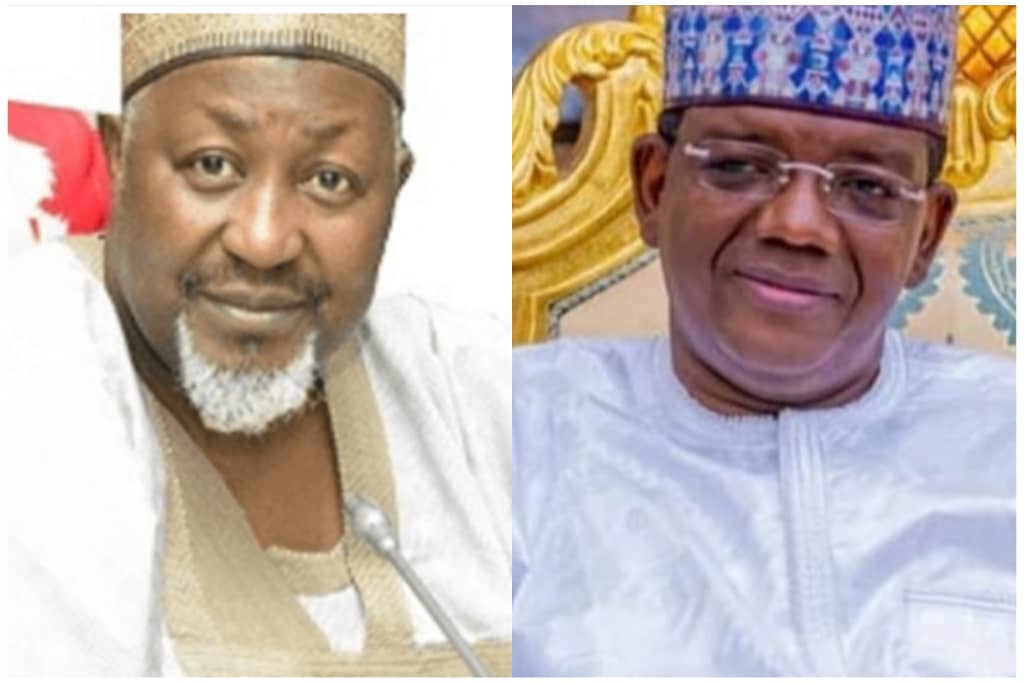
The Minister of Defence, Mohammed Badaru Abubakar, and his deputy, Bello Matawalle (Minister of State for Defence), embody this malaise.
Neither brings a shred of professional security background to the table—unless one counts Matawalle’s infamous “dialogues” with bandits as some twisted form of counterterrorism experience.
In a country bleeding from insecurity, handing the keys to the kingdom to political novices is not just reckless; it’s a betrayal of the 230,000-strong Nigerian military and the millions of civilians caught in the crossfire.
Let’s start with the appointments themselves. Badaru Abubakar, a former Jigawa State governor and businessman, stepped into the Defence Ministry in August 2023 with zero military credentials beyond ceremonial oversight as a state leader.
His tenure has been a parade of photo-ops—receiving service chiefs, attending regional exercises like BAMEX 2025 in Mali—but precious little in tangible results against Boko Haram or ISWAP.
Matawalle, even more damningly, was Zamfara’s governor from 2019 to 2023, a period marked by his much-maligned “peace dialogues” with bandits.
These weren’t bold diplomatic strokes; they were desperate palliatives that emboldened criminals.
Reports from the time detail how Matawalle’s administration allegedly reinstated a suspended monarch for honoring a bandit leader and faced accusations of state-sponsored banditry, including the theft of 50 government vehicles traced to his allies.
Fast-forward to 2025, and Zamfara’s current governor, Dauda Lawal, has publicly accused Matawalle of colluding with bandits, even as the ex-governor’s supporters defend his “strategic” talks.
On X (formerly Twitter), the sentiment is unanimous: Matawalle’s elevation to federal defense is seen as rewarding failure, with users decrying it as “marinating in incompetence” and a direct sabotage of anti-terror efforts.
If dialogue was the magic bullet, why are bandits still rampaging through Zamfara, Katsina, and Sokoto, abducting dozens in raids like the one in Bakori LGA just weeks after a supposed “peace deal”?
The recent horrors in Borno State lay bare this incompetence. From November 5-8, Boko Haram and ISWAP clashed in a savage turf war along Lake Chad’s shores, leaving up to 200 dead in what jihadists themselves broadcast on social media—videos of beheadings, executions, and territorial grabs that went viral before Nigerian intel stirred.
Days later, on November 15, ISWAP ambushed a joint military patrol near Wajiroko, capturing Brig Gen Uba alive. He was paraded, interrogated, and executed in cold blood, his final moments captured in a chilling radio plea for air support that never came.
ISWAP even mocked the Nigerian Army in their propaganda, confirming the kill and taunting the “unharmed” commander’s fate.
This wasn’t bad luck; it was a cascade of failures—from missed signals on the jihadist feud to inadequate troop deployment and zero rapid response.
In any serious military, heads would roll. Here? Silence from the Defence Ministry, save for vague condemnations.
And what of the resources? Nigeria boasts one of Africa’s largest militaries: over 230,000 active personnel, including 150,000 in the army alone, equipped with T-72 tanks, armored personnel vehicles (APVs), artillery, and even drones acquired in recent years.
Defense spending has ballooned to N6.57 trillion ($4.2 billion) in the 2025 budget alone, with cumulative outlays exceeding $10 billion since 2020 on arms, training, and ops.
Yet, against ragtag bands of 50-200 terrorists, we deploy skeletal forces without the full might of battalions, howitzers, or shoulder-fired missiles. Why? Poor leadership, alleged infiltration by sympathizers (some with “extremist” leanings in high places), and a reluctance to escalate to total war.
Critics on X echo this: “A whole brigadier general paraded by terrorists—Nigeria allowed it.”
Pro-government voices counter that Tinubu’s administration has authorized U.S. arms sales and notched “massive results,” but the body count—thousands of soldiers and civilians yearly—tells a different story.
This isn’t mere mismanagement; it’s a Nigerian genocide unfolding in slow motion.
While debates rage over “Christian genocide” in the Middle Belt, the reality is ecumenical slaughter: Fulani herders vs. farmers, bandits vs. villagers, jihadists vs. all.
Displaced families, razed homes, widowed mothers—echoes of Gaza’s horrors, yes, but without the global spotlight or international aid.
If Gaza’s 40,000+ dead since 2023 qualifies as genocide (as many rightly argue), what do we call Nigeria’s 100,000+ over a decade, per conservative estimates? Not “insecurity”—genocide by attrition, fueled by state neglect.
President Bola Ahmed Tinubu GCFR, the buck stops with you. Purge the defense leadership: Sack Badaru and Matawalle, install a battle-hardened general with intel chops to architect a “brutal security overhaul.”
Deploy the full arsenal—air force strikes, armored sweeps, 10,000-troop battalions—to crush Boko Haram, ISWAP, and their bandit enablers.
Root out informants in the ranks, those with “sympathy for devils,” as one X user put it.
Declare real war, not dialogue. Nigeria’s $10 billion war chest isn’t for parades; it’s for victory.
The alternative? More brigadiers in body bags, more villages in ashes.
Enough. It’s time for war—not against shadows, but against the incompetence defending nothing. 🇳🇬
Pamela O. writes from Lagos.


