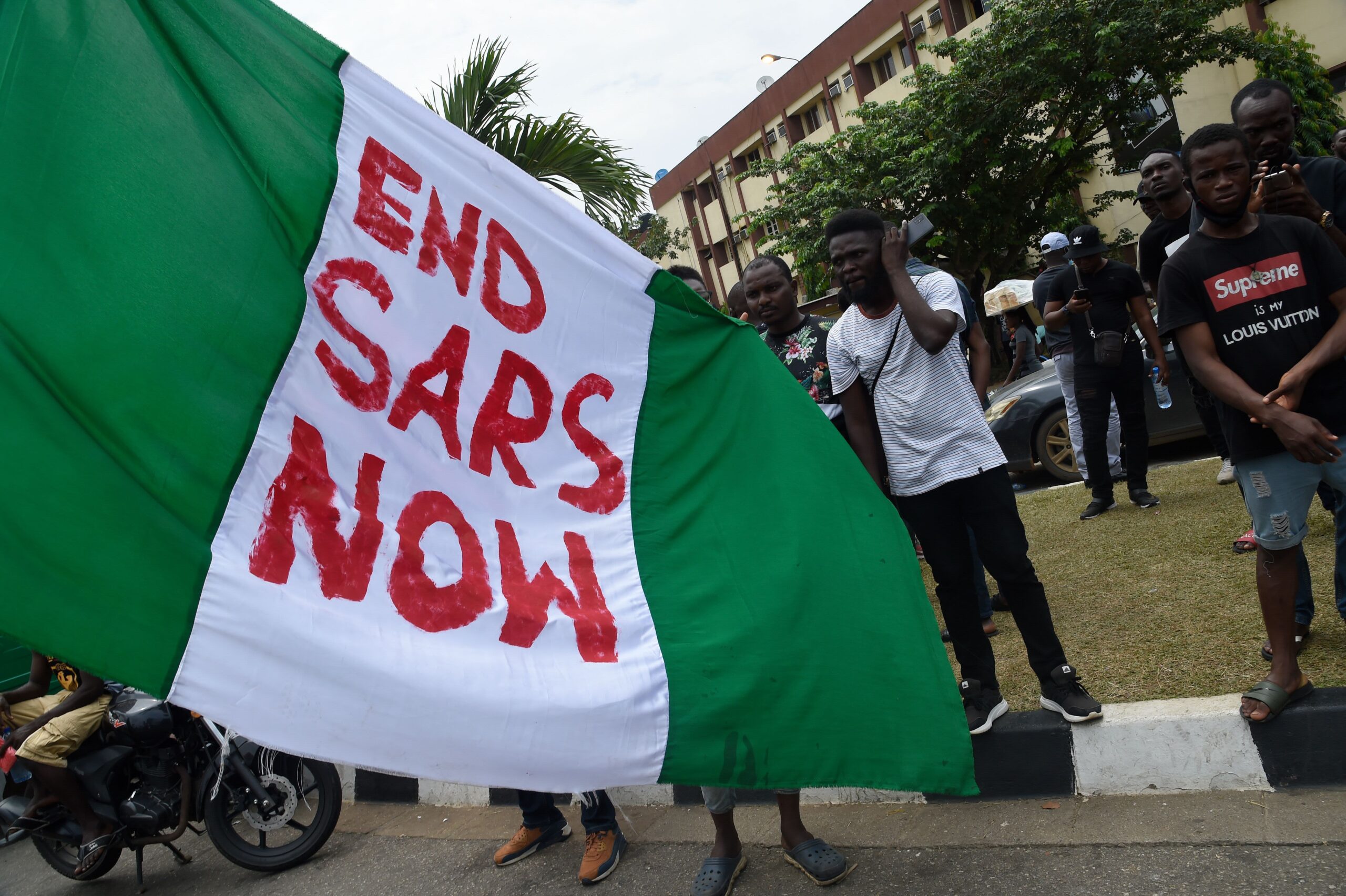
On the sixth anniversary of the night soldiers opened fire on unarmed #EndSARS protesters at the Lekki Toll Gate, an old clip of Bola Tinubu has resurfaced. In it, he said those who suffered casualties from the gunshots “need to answer some questions too. How were they there, and how long were they there? What kind of characters are they?” He also claimed he had asked then-Governor Babajide Sanwo-Olu whether the governor ordered the attack. For many who lived through that night, or who lost friends and siblings in it, the remarks remain cold and blame-shifting. They treat people who sat singing the national anthem as suspects whose presence required explanation, rather than as citizens exercising a right to protest against police brutality.
The facts of 20 October 2020 are not in serious dispute among those who examined the evidence. Nigerian Army personnel shot live rounds at largely peaceful protesters who were sitting, waving flags, and singing. Amnesty International put the death toll at least at 12. The Lagos State Judicial Panel of Inquiry, after hearing testimony and reviewing available footage and medical records, described what happened as a “massacre in context”: soldiers fired on unarmed, unresisting people, killing and wounding them. Police were also implicated in later shooting. The panel noted problems with CCTV, scene preservation, and the army’s refusal to fully account for its actions, and it recommended disciplinary measures and further accountability that have not materialised.
The army was invited by the Lagos State Government to enforce a curfew. That invitation, under a federal government whose Commander-in-Chief was President Buhari, produced the deployment that ended in bloodshed. Tinubu held no formal office at the time, yet he was the most powerful political figure in Lagos and the national leader of the ruling party. His comments did not constitute a courtroom confession of a direct order. They did, however, reveal a striking absence of empathy at a moment when families were still searching for the missing and the wounded. Claims that he personally ordered the shooting rest on political influence and the long-running controversy over the toll operation rather than on a public chain of command that names him. That distinction does not erase the broader failure: no one who authorised or carried out lethal force against the protesters has been fully held to account.
Six years later, the anniversary still brings the same questions. Who gave the final order to fire? Why were the lights and cameras compromised? Why have the panel’s recommendations, Amnesty’s findings, independent investigations, and a later ECOWAS court judgment produced so little justice or compensation? The resurfaced clip does not settle the chain of command, but it keeps alive the sense that official responses prioritised deflection over the pain of the victims. For those who supported the #EndSARS movement, Lekki remains the clearest illustration of how a demand for an end to police brutality was met with live ammunition, and how the institutions that should have delivered answers have instead left the families waiting.
The movement’s core demand was simple: stop the abuse and hold the abusers accountable. That demand is still unmet.
-Pamela O.
Daily Buzzwire
About the Author