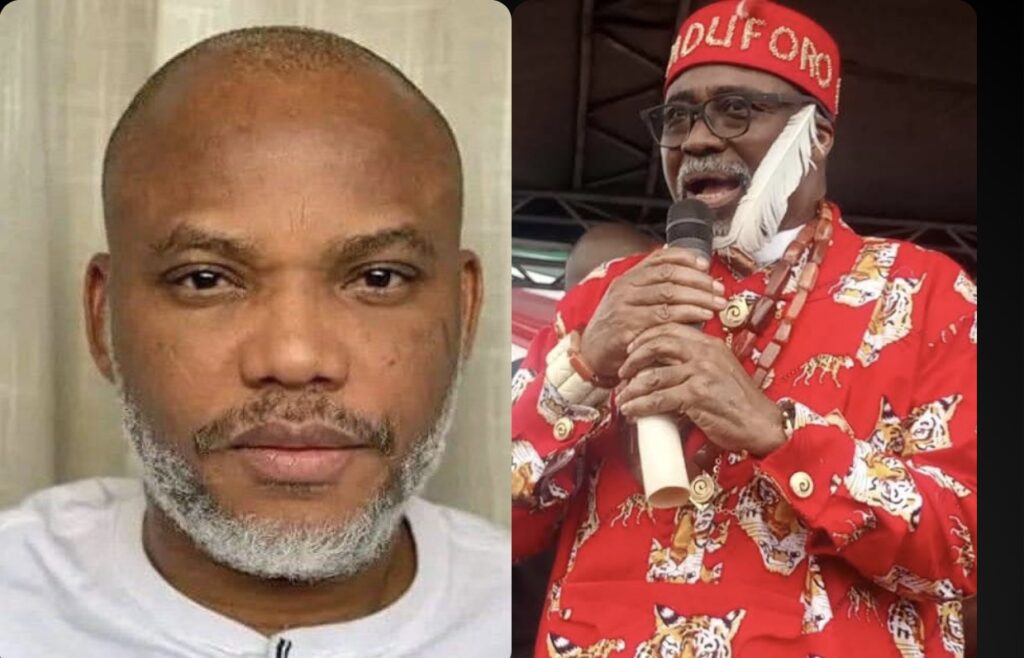
In the turbulent landscape of Nigerian politics, few voices have echoed as persistently and passionately for justice in the Southeast as that of Senator Enyinnaya Abaribe.
Representing Abia South in the Nigerian Senate, Abaribe’s advocacy for the unconditional release of Nnamdi Kanu—the leader of the Indigenous People of Biafra (IPOB)—has evolved from a personal stand of solidarity into a broader crusade against perceived federal overreach and regional marginalization.
As of October 2025, Abaribe’s efforts mark not just a moral imperative but a strategic push to quell escalating insecurity and foster national reconciliation.
Abaribe’s entanglement with Kanu’s cause dates back to 2017, when he stood surety for the IPOB leader following Kanu’s initial arrest on treason charges.
That bold move came at a steep personal cost: when Kanu fled Nigeria amid allegations of a midnight raid on his family home that resulted in deaths, Abaribe was briefly detained by authorities. Undeterred, he has since framed Kanu’s prolonged detention—now spanning over four years despite multiple court rulings in his favor—as a festering wound exacerbating violence, kidnappings, and economic sabotage in the Southeast. “The continued incarceration of Mazi Nnamdi Kanu is fueling the very insecurity we all decry,” Abaribe has repeatedly argued, positioning his appeals as a pathway to peace rather than separatism.
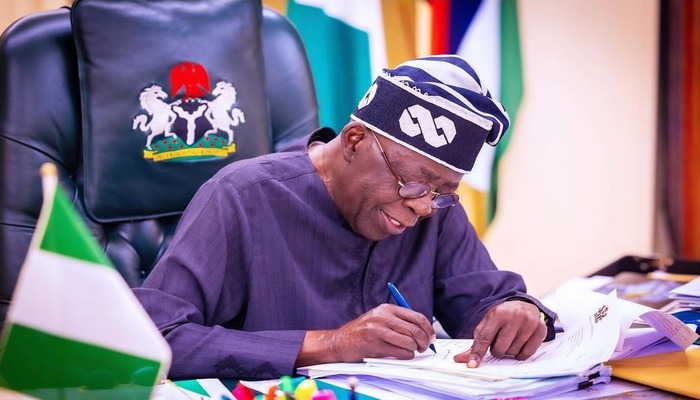
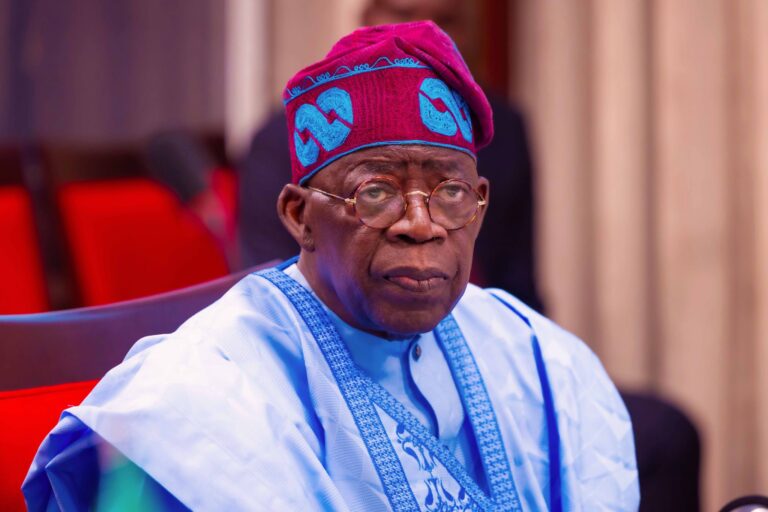
This year alone, Abaribe has lodged no fewer than seven public pleas to President Bola Tinubu, with the most recent in early October 2025 during the president’s visit to Abia State.
On October 3, as Tinubu commissioned projects in Umuahia, Abaribe seized the moment to reiterate: “
In the turbulent landscape of Nigerian politics, few voices have echoed as persistently and passionately for justice in the Southeast as that of Senator Enyinnaya Abaribe.
Representing Abia South in the Nigerian Senate, Abaribe’s advocacy for the unconditional release of Nnamdi Kanu—the leader of the Indigenous People of Biafra (IPOB)—has evolved from a personal stand of solidarity into a broader crusade against perceived federal overreach and regional marginalization.
As of October 2025, Abaribe’s efforts mark not just a moral imperative but a strategic push to quell escalating insecurity and foster national reconciliation.
Abaribe’s entanglement with Kanu’s cause dates back to 2017, when he stood surety for the IPOB leader following Kanu’s initial arrest on treason charges.
That bold move came at a steep personal cost: when Kanu fled Nigeria amid allegations of a midnight raid on his family home that resulted in deaths, Abaribe was briefly detained by authorities. Undeterred, he has since framed Kanu’s prolonged detention—now spanning over four years despite multiple court rulings in his favor—as a festering wound exacerbating violence, kidnappings, and economic sabotage in the Southeast. “The continued incarceration of Mazi Nnamdi Kanu is fueling the very insecurity we all decry,” Abaribe has repeatedly argued, positioning his appeals as a pathway to peace rather than separatism.
This year alone, Abaribe has lodged no fewer than seven public pleas to President Bola Tinubu, with the most recent in early October 2025 during the president’s visit to Abia State.
On October 3, as Tinubu commissioned projects in Umuahia, Abaribe seized the moment to reiterate: “Release of Nnamdi Kanu is all that matters to us.” He urged the federal government to honor judicial directives, emphasizing that Kanu’s freedom could dismantle the “unknown gunmen” networks thriving on regional grievances.
Just days later, on October 6, Abaribe’s emotional video plea went viral, renewing optimism among supporters who see it as a potential turning point. “You people said he jumped bail, whereas you went to his house, middle of the night, killed his father, killed his relative,” echoed a supporter’s sentiment in a related protest call, underscoring the raw pain Abaribe channels into his advocacy.
Abaribe’s persistence has galvanized a groundswell of support, particularly among Southeast youth.
On October 12, leaders from various youth groups endorsed peaceful protests in solidarity with Kanu, explicitly crediting Abaribe’s interventions for amplifying their resolve.
Activist Omoyele Sowore’s October 20 “historic” march in Abuja explicitly invited Abaribe, alongside figures like Peter Obi and Governor Alex Otti, to join the fray—highlighting how the senator’s voice bridges legislative halls and street-level agitation.
Even House of Representatives member Hon. Aguocha, in a stirring October 7 address, praised Abaribe’s “unwavering” stance, declaring, “You cannot bully a well-grounded Igbo man to silence.” These endorsements paint Abaribe not as a lone agitator but as a catalyst for collective action, with social media ablaze under hashtags like #FreeNnamdiKanuNow.
Yet, Abaribe’s campaign is not without detractors. Critics, including some within the Southeast political class, accuse him of leveraging Kanu’s plight for electoral gains ahead of the 2027 polls.
“Sympathy for Biafra and Nnamdi Kanu’s release is the victory surety for South-East politicians,” one observer noted wryly on October 9, pointing to Abaribe’s failure to push for a Biafra referendum motion despite his rhetoric.
Others decry his appeals as provocative, arguing they embolden “criminals” enforcing sit-at-home orders that cripple the region.
Governor Otti, while sympathetic, has distanced himself from full-throated endorsements, focusing instead on development—a tension Abaribe navigates by tying Kanu’s release to broader electoral reforms he champions in the Senate.
At its core, Abaribe’s advocacy transcends one man’s fate; it interrogates Nigeria’s federal structure and the Igbo’s place within it.
By invoking Kanu’s case in debates on the Electoral Bill 2025, Abaribe links personal liberty to systemic accountability, warning that unresolved grievances could undermine the nation’s fragile unity.
As protests simmer and court dates loom, his seventh appeal in 2025 serves as a clarion call: release Kanu, or risk the Southeast’s unrest spilling further.
In a polity often paralyzed by partisanship, Abaribe’s dogged pursuit reminds us that true leadership lies in confronting injustice head-on, even when the odds—and the tear gas—stack against you.
Whether Tinubu heeds this voice remains the million-naira question, but Abaribe’s flame burns on, illuminating a path many hope leads to healing.
He urged the federal government to honor judicial directives, emphasizing that Kanu’s freedom could dismantle the “unknown gunmen” networks thriving on regional grievances.
Just days later, on October 6, Abaribe’s emotional video plea went viral, renewing optimism among supporters who see it as a potential turning point. “You people said he jumped bail, whereas you went to his house, middle of the night, killed his father, killed his relative,” echoed a supporter’s sentiment in a related protest call, underscoring the raw pain Abaribe channels into his advocacy.
Abaribe’s persistence has galvanized a groundswell of support, particularly among Southeast youth.
On October 12, leaders from various youth groups endorsed peaceful protests in solidarity with Kanu, explicitly crediting Abaribe’s interventions for amplifying their resolve.
Activist Omoyele Sowore’s October 20 “historic” march in Abuja explicitly invited Abaribe, alongside figures like Peter Obi and Governor Alex Otti, to join the fray—highlighting how the senator’s voice bridges legislative halls and street-level agitation.
Even House of Representatives member Hon. Aguocha, in a stirring October 7 address, praised Abaribe’s “unwavering” stance, declaring, “You cannot bully a well-grounded Igbo man to silence.” These endorsements paint Abaribe not as a lone agitator but as a catalyst for collective action, with social media ablaze under hashtags like #FreeNnamdiKanuNow.
Yet, Abaribe’s campaign is not without detractors. Critics, including some within the Southeast political class, accuse him of leveraging Kanu’s plight for electoral gains ahead of the 2027 polls, “Sympathy for Biafra and Nnamdi Kanu’s release is the victory surety for South-East politicians,” one observer noted wryly on October 9, pointing to Abaribe’s failure to push for a Biafra referendum motion despite his rhetoric.
Others decry his appeals as provocative, arguing they embolden “criminals” enforcing sit-at-home orders that cripple the region.
Governor Otti, while sympathetic, really more on the state evelopment—a tension Abaribe navigates by tying Kanu’s release to broader electoral reforms he champions in the Senate.
At its core, Abaribe’s advocacy transcends one man’s fate; it interrogates Nigeria’s federal structure and the Igbo’s place within it.
By invoking Kanu’s case in debates on the Electoral Bill 2025, Abaribe links personal liberty to systemic accountability, warning that unresolved grievances could undermine the nation’s fragile unity.
As protests simmer and court dates loom, his seventh appeal in 2025 serves as a clarion call: release Kanu, or risk the Southeast’s unrest spilling further.
In a polity often paralyzed by partisanship, Abaribe’s dogged pursuit reminds us that true leadership lies in confronting injustice head-on, even when the odds—and the tear gas—stack against you.
Whether Tinubu heeds this voice remains the million-naira question, but Abaribe’s flame burns on, illuminating a path many hope leads to healing.
Pamela O.writes from Lagos.