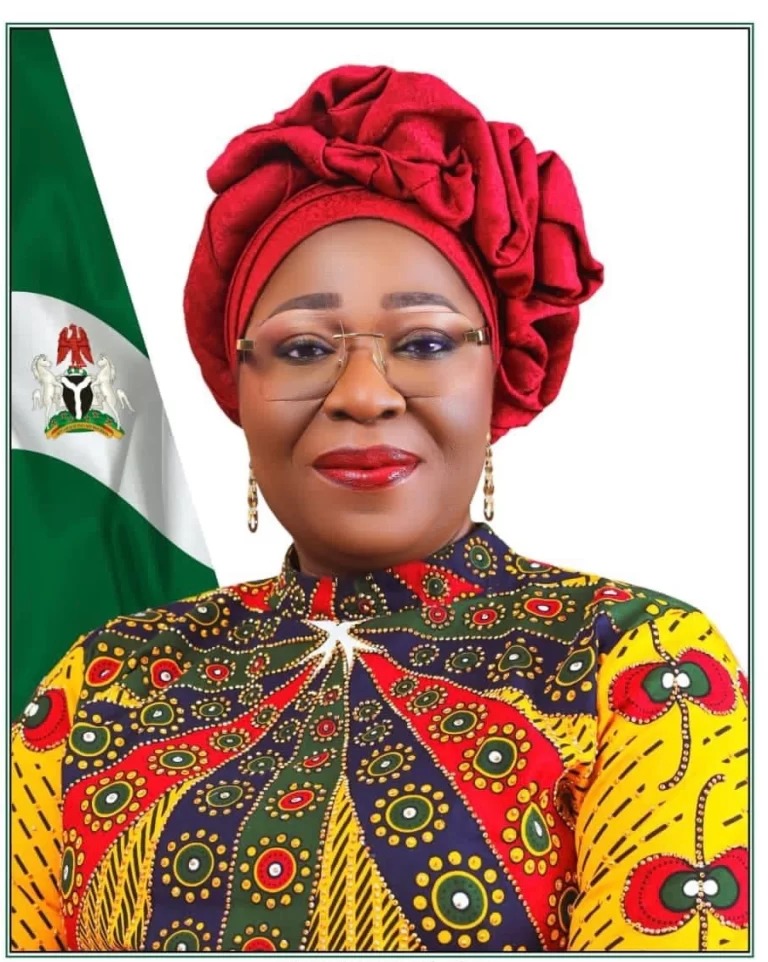
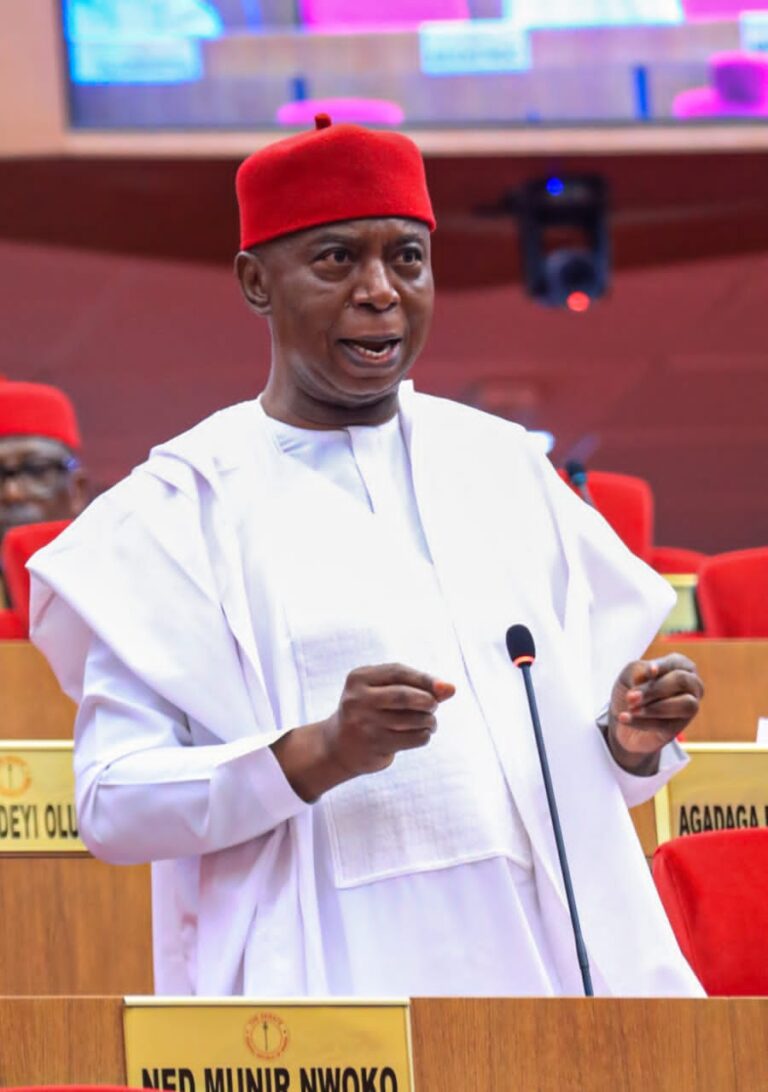
The Electoral Act (Amendment) Bill 2026 rift has intensified public outrage, with critics accusing Nigerian legislators—particularly the Senate—of deploying a barrage of excuses to dilute transparency safeguards, effectively legalizing avenues for rigging in the 2027 general elections.

World’s smallest 10,000mAh with built-in Lightning
• Charges iPhone 14 almost 2 times
• Ultra-compact & lightweight
• Fast charging
Buy now → https://www.amazon.com/dp/B0C3HBGQ8L?tag=gadgets00139-20
As an Amazon Associate I earn from qualifying purchases.
The core issue remains the refusal to mandate real-time electronic transmission of polling unit results to INEC’s Result Viewing Portal (IReV), despite overwhelming public demand and evidence from past elections.
Key Excuses from Legislators and Why They Don’t Hold Water
Lawmakers, led by figures like Senate Leader Opeyemi Bamidele and others, have cited several reasons for rejecting or watering down mandatory real-time transmission:
- Network/infrastructure failures and lack of nationwide coverage — They claim many rural/off-grid areas lack reliable internet or electricity, making compulsory real-time uploads impractical.
They reference “empirical data” showing Nigeria “cannot transmit poll results in real time” nationwide, and argue that mandatory provisions could disenfranchise voters or cause logistical chaos.
Why this excuse fails: – The Bimodal Voter Accreditation System (BVAS) already functions offline for voter accreditation and result capture during elections, with uploads occurring once connectivity is available. Former INEC Chairman Mahmood Yakubu repeatedly affirmed this capability, stating BVAS works offline and results can be transmitted once network is restored—proving the system is designed for delayed uploads in poor-coverage areas without needing to abandon electronic transmission entirely.
– In 2023, despite glitches, partial uploads to IReV occurred in most polling units, demonstrating technical feasibility across diverse terrains. Critics, including ex-INEC officials like Mike Igini, dismiss network concerns as “specious excuses,” noting that deliberate failures could be engineered (e.g., via collusion with telecom providers) under vague provisos.
– BVAS and voter registration processes already rely on electronic systems nationwide without constant real-time connectivity demands, undermining claims of total infrastructural impossibility.
2. Flexibility and practicality — The Senate argues electronic transmission should be primary but allow manual fallback (using signed Form EC8A) in cases of “communication failure,” without strict “real-time” requirements.
They insist this prevents disasters and aligns with operational realities, clarifying it’s not e-voting but result upload.
Why this doesn’t hold:
– Removing “real-time” creates ambiguity: Transmission can be delayed after witnesses leave the polling unit, opening windows for tampering during transport to collation centers—a recurring allegation in past elections (e.g., result snatching or alterations).
– The proviso lacks safeguards like requiring proof of failure, timelines for delayed uploads, or independent verification, inviting mischief.
Civil society warns this normalizes manipulation, as manual sheets become the “primary source” in disputed scenarios.
– The House version mandates real-time uploads while witnesses are present, closing the tampering window; the Senate’s version deliberately avoids this, prioritizing discretion over transparency.
3. Empirical data and technical limitations — Senate spokespeople claim verifiable data guided their decision, and real-time doesn’t equate to better elections.
Why it’s seen as a lie:
– No public, independent verification of this “empirical data” has been provided amid demands. Critics point out selective use of tech arguments—electronic processes work for accreditation and other functions, but suddenly fail for result transparency when it threatens the status quo.

Charge 4–5 times on one charge
• Dual USB-A + USB-C
• Fast charging
• Compact & durable
Buy now → https://www.amazon.com/dp/B07YBN4YCW?tag=gadgets00139-20
As an Amazon Associate I earn from qualifying purchases.
– Public backlash, including #OccupyNASS protests (with figures like Peter Obi joining), civil society condemnations (e.g., from YIAGA Africa, Movement for Credible Elections, and groups like NLC threatening boycotts), and analyses label these as sophistry to preserve rigging options.
How This Jeopardizes Credible 2027 Elections and Legalizes Rigging
Without mandatory real-time transmission (immediate upload at the polling unit while party agents and witnesses observe), the process reverts to vulnerabilities exploited historically:
– **Polling unit results** are announced manually but not instantly visible publicly via IReV.
– Delays in transmission allow alterations at collation centers (LGA, state, national), where manual Form EC8A can override or supplement electronic records under failure claims.
– All parties (especially incumbents with state machinery) gain plausible deniability to “edit” or inflate figures offline, as no immutable digital trail exists from the source.
– Public trust erodes further, repeating 2023 controversies where incomplete IReV uploads fueled disputes. Ex-INEC voices and analysts argue this isn’t about tech—it’s political will to avoid accountability.
The bill now heads to a conference committee for harmonization between Senate (flexible, no real-time) and House (stricter real-time) versions.
Protests continue, with warnings that without ironclad real-time mandates, 2027 risks becoming another rigged exercise dressed in “practicality.”
Critics contend legislators aren’t just making excuses—they’re actively sabotaging credible elections to protect entrenched interests, ensuring rigging remains viable for whoever controls the levers.
Pamela O. political commentator and strategist.
About the Author