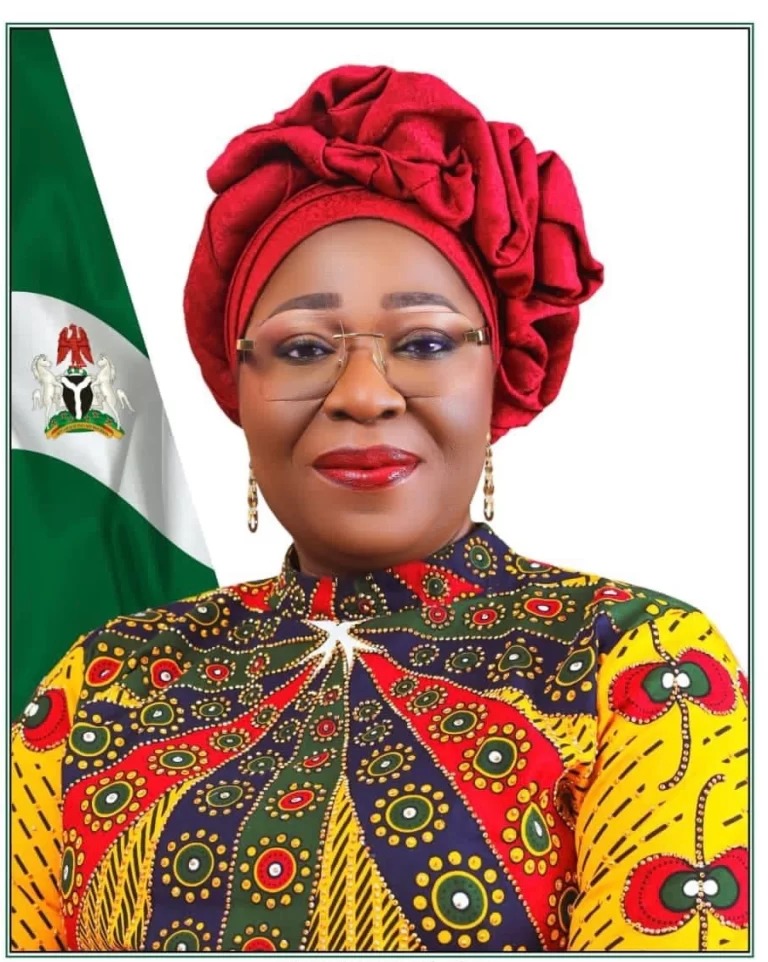
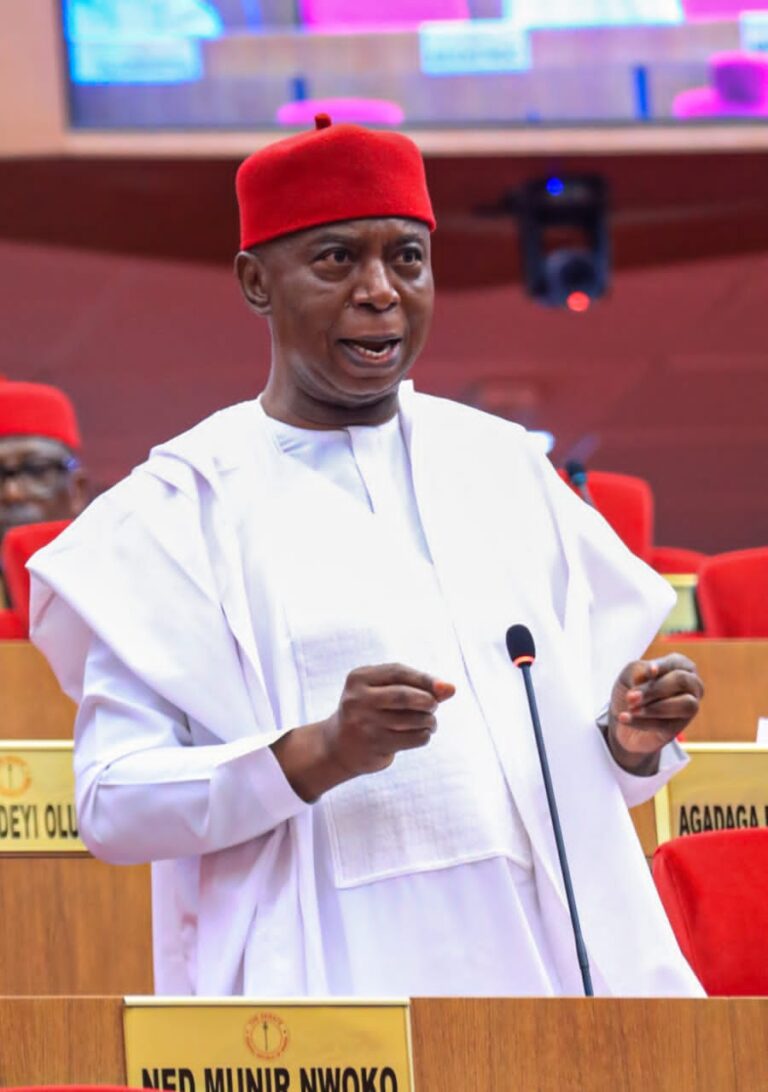
The discussion around Nigeria’s seaports, particularly the focus on Onne Seaport in the South-South (SS) and the Southeast (SE) versus Lagos, reflects deeper regional and economic tensions. David Umahi, the Minister of Works, and Godswill Akpabio, the Senate President, have both expressed interest in developing infrastructure like the Onne Seaport to boost economic activity in the SS and SE. Their push aligns with calls to diversify Nigeria’s port system, reduce congestion in Lagos, and foster regional equity. Onne, located in Rivers State, is already a significant port for oil and gas logistics, but its underutilization for general cargo compared to Lagos’ Apapa and Tin Can ports has raised questions about deliberate neglect.
Umahi has emphasized infrastructure as a catalyst for regional growth, citing projects like the Lagos-Calabar Coastal Highway and the Second Niger Bridge as evidence of President Bola Tinubu’s commitment to the SS and SE. He’s argued that developing ports like Onne could drive economic self-sufficiency and curb over-reliance on Lagos. Akpabio, meanwhile, has framed Tinubu’s leadership as transformative, suggesting that investments in SS and SE infrastructure, including ports, are part of a broader national agenda. Their advocacy seems rooted in balancing Nigeria’s economic map, where Lagos dominates as the commercial hub.
However, critics argue Tinubu’s policies lean heavily toward Lagos, where he built his political and economic legacy as governor. Lagos hosts Nigeria’s busiest ports, Apapa and Tin Can, handling over 70% of the country’s maritime trade. Recent moves, like approving inland dry ports in Ogun and Oyo to decongest Lagos, reinforce perceptions that Tinubu prioritizes the Southwest. The Lekki Deep Sea Port, a private initiative in Lagos, further concentrates resources there, with little federal push to match such scale in Onne or Calabar. Tinubu’s reforms, like the fuel subsidy removal and naira floatation, have also hit harder in regions like the SS and SE, fueling resentment that economic burdens are shared, but benefits skew toward Lagos.
The “Yaribastard” sentiment—referring to a derogatory stereotype of Northern or Southern elites telling SS/SE residents to “go back to their region”—captures frustration with this imbalance. When SS or SE leaders demand functional ports like Onne or Calabar, critics from other regions often resist, fearing a shift in economic power. Yet, these same critics decry any move toward regional autonomy, revealing a hypocrisy: they want SS/SE resources (like oil) but resist empowering those regions economically. Lagos’ ports are overstretched, causing delays and inefficiencies, so expanding Onne could benefit the entire country by cutting costs and boosting trade capacity.
The counterargument is that Lagos’ dominance is practical, not conspiratorial. It’s Nigeria’s largest market, with established infrastructure and global trade links. Investing there yields quicker returns than building up Onne, which faces challenges like shallow channels and security concerns in the Niger Delta. Tinubu’s supporters argue he’s not neglecting other regions but prioritizing what works now while planning for broader growth.
Still, the optics are tough. Umahi and Akpabio see Onne as a way to unlock SS/SE potential, but Tinubu’s Lagos-centric moves—like the Green Line Metro or Lekki Free Zone investments—suggest a different focus. Without concrete federal action to upgrade Onne, Calabar, or Port Harcourt ports, the SS and SE will keep feeling shortchanged, and the “Yaribastard” jab will sting louder. Economic fairness demands spreading the wealth, not just the pain.
About the Author