In the rough-and-tumble arena of Nigerian politics, few things are more disheartening than watching merit take a backseat to primordial sentiments.
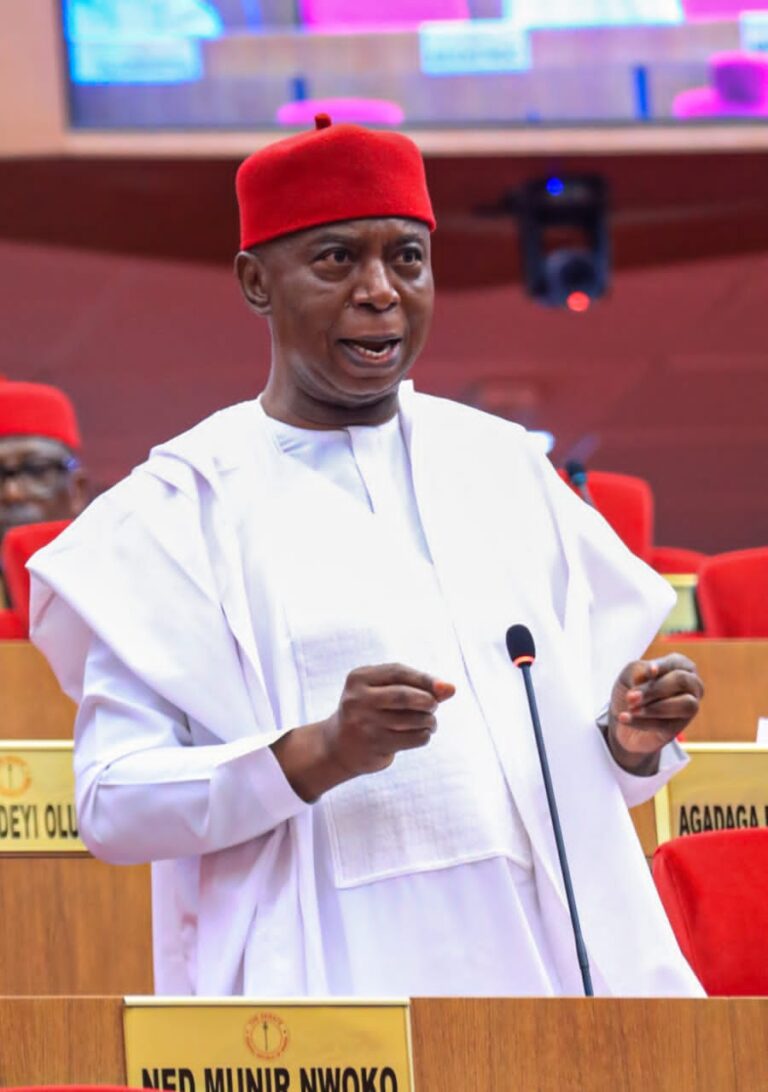
Yet that is exactly what is playing out in Oshodi-Isolo Constituency II, where a first-term federal lawmaker—non-indigene of Lagos, yet tireless in service—now faces open threats of rejection at the polls, not because of any verifiable failure, but because he is “not from here.”
The irony is as bitter as it is instructive: the very people who have benefited from his uncommon energy are being whipped into line by the drumbeats of tribalism and bigotry.
Let us pause and engage our collective conscience. The Honourable Member (HOJ) has, within a single tenure, executed projects that many long-serving representatives in more “indigenous” territories have failed to match.
Roads repaired, youth empowered, widows supported, and now this latest masterstroke: an open, transparent registration drive for international training and exchange programmes in China, Taiwan, and South Africa.
His latest message to constituents is not the usual empty rhetoric; it is a deliberate, inclusive invitation:
“Dear Constituents,
Following my recent announcement on international training and exchange opportunities in China, Taiwan and South Africa, I am pleased to note that diligent constituents have already begun registering their details at the Constituency Office for future consideration.
This registration exercise is designed to ensure a more inclusive, transparent, and organized process for upcoming opportunities in China, Taiwan, and South Africa.
For constituents who may have previously felt sidelined or were unable to benefit from earlier batches, this is an opportunity to be captured in our database for future programmes.
Interested indigent constituents of Oshodi-Isolo Constituency II with valid international passports are encouraged to visit the Constituency Office and complete their registration.
My goal remains clear: to create access, expand opportunities, and ensure that more constituents benefit from empowerment programmes that can improve livelihoods and broaden global exposure.
Opportunity favours preparation. I encourage all eligible constituents to take advantage of this exercise.
HOJ.”
This is not tokenism. This is governance with vision—turning constituency funds into genuine global exposure for indigent citizens who would otherwise never see beyond the shores of Lagos.
How many lawmakers, indigenous or not, have thought this far outside the box in their maiden term? How many have deliberately targeted the very people who “felt sidelined” and said, “Come, let us put your name in the database for future batches”?
Yet some voices are already sharpening knives, not because the man has underperformed, but because his surname or accent does not fit the ethnic template. The question that should prick every conscience is simple:
Would a Yoruba representative in this same constituency have shown this level of uncommon zeal? The honest answer, history suggests, is not guaranteed. Performance has never been the exclusive preserve of any tribe. Excellence is not DNA-coded to any ethnic group. To assume otherwise is the very definition of bigotry—the same bigotry we condemn when it is directed at us elsewhere.
Politics without conscience is mere banditry in suits. When voters allow tribalism to adjust their moral compasses, they do not punish the “outsider”; they punish themselves. They trade roads for rhetoric, empowerment for ethnic chest-thumping, and future opportunities for yesterday’s grievances.
The constituent who registers today for training in China or South Africa will not remember the lawmaker’s village of origin when his or her life is transformed.
That beneficiary will remember only that someone dared to dream bigger than the next election cycle.
To the people of Oshodi-Isolo Constituency II, I say this plainly: Look at the scoreboard, not the surname. Scrutinise projects delivered, not accents spoken. Demand accountability, but do so with fairness. Threatening not to return a man who has demonstrably tried—indeed, surpassed expectations as a first-timer—is not political strategy; it is self-sabotage dressed in tribal regalia.
Conscience is not tribal. Morality has no constituency office. Let us rise above the smallness of “he is not from Lagos” and reward the uncommon effort that has already begun to change lives.
The ballot is too powerful a weapon to waste on prejudice. History will remember those who voted with their heads and hearts, not with their ethnic mirrors. Hon. Okey-Joe Onuakalusi earned a second tenure not tribalistic slurrs.
The choice, as always, belongs to the people. Let it be guided by conscience, not by the divisive whispers of bigotry.
Pamela O., political commentator
About the Author