Today, November 17, 2025, stands as an indelible stain on the tapestry of Nigeria’s history—a day when the nation’s fragile peace was shattered once more by the ruthless hand of terror.
https://x.com/generalsnow_/status/1990492835188216302?s=46
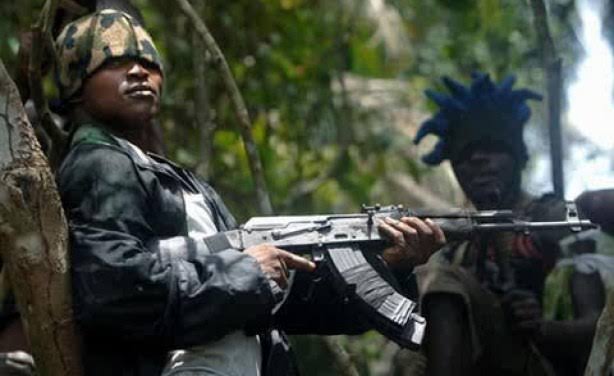
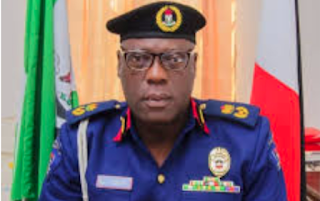
In the dusty, unforgiving expanses of Borno State, along the treacherous Damboa-Biu road, Islamic State West Africa Province (ISWAP) militants struck with calculated savagery. Brigadier General M. Uba, a seasoned commander leading the 26 Task Force Brigade, was captured and executed in cold blood during a joint air and ground operation against insurgents.
Four other gallant military officers and several soldiers lay wasted, their lives snuffed out in an ambush that exposed the relentless toll of Nigeria’s endless war on extremism.
These were not faceless statistics; they were fathers, sons, brothers—heroes who donned the uniform to shield a nation from chaos.
And then, the unimaginable cruelty extended beyond the battlefield.
A vice principal, entrusted with shaping young minds, vanished into the ether, leaving a family adrift in grief and uncertainty.
Children—innocent souls with dreams yet to unfold—did not return to the anxious arms of their parents.
In a country already scarred by abductions and disappearances, these losses echo the ghosts of Chibok, Dapchi, and countless forgotten tragedies.
Who were they? Were they caught in the crossfire of this ambush, or victims of a separate wave of violence that November’s shadows seem to breed?
The details are still emerging, but the pain is immediate and visceral: another thread in the fraying fabric of a society under siege.
As the dust settles and the blood dries on Borno’s parched earth, one cannot ignore the jarring dissonance in Abuja’s corridors of power.
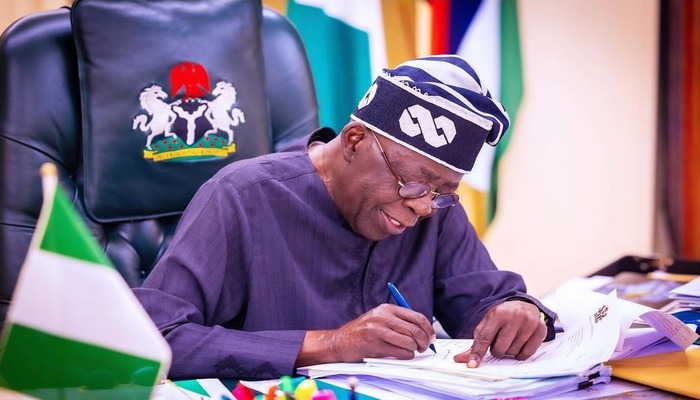
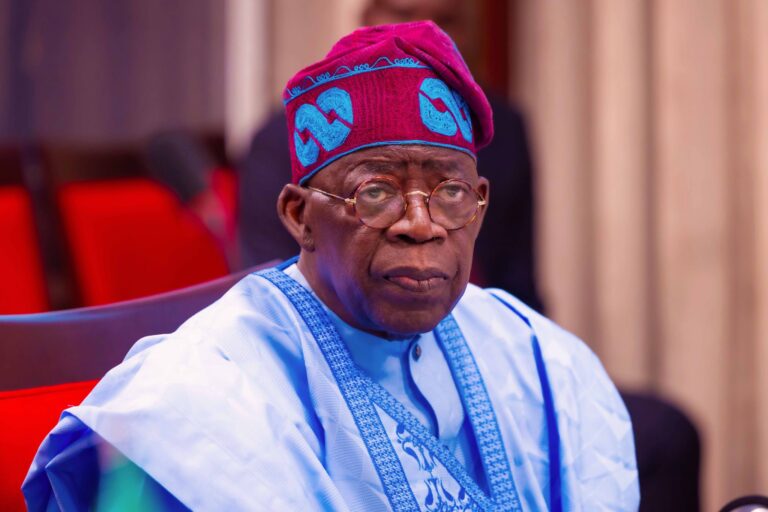
While the nation reels from this fresh atrocity, President Bola Tinubu is reportedly hosting international dignitaries—rumors swirl of a high-profile meeting with the Duke of something-or-other, a nod to diplomacy or perhaps a fleeting distraction from domestic fires.
Meanwhile, Vice President Kashim Shettima plays host to a parade of politicians decamping to the All Progressives Congress (APC), a ritual of political realignment that feels grotesquely tone-deaf amid the wails of widows and orphans.
Defections, handshakes, and backroom deals—business as usual in the theater of Nigerian politics, where loyalty shifts like sand dunes, and the APC’s tent grows ever larger. But at what cost? When the echoes of gunfire in Borno fade into policy briefings and photo-ops, who speaks for the silenced?
To the supporters of the APC and President Tinubu, I pose the challenge laid bare in the raw outcry that sparked these words: Will you defend this too?
Defend the optics of celebration while coffins are prepared?
Defend a governance that prioritizes partisan gains over the urgent clamor for security reforms?
Nigeria’s Northeast has been a cauldron of insurgency for over a decade, with ISWAP and its kin claiming thousands of lives, displacing millions, and draining billions from an already strained economy.
Yet, the responses often feel scripted—condolences issued, investigations promised, but the cycle of violence spins on.
The Nigerian Army’s initial denial of the general’s capture, only to confirm his death hours later, speaks volumes about the fog of war and the fragility of command.
This is not mere partisanship; it is a clarion call for accountability. A nation cannot thrive when its guardians are expendable, its educators and children mere footnotes in the news cycle.
The slaughter of Brigadier General Uba and his comrades demands more than platitudes—it requires a reckoning. Bolster intelligence in the Northeast, empower local communities against radicalization, and ensure that military operations are not knee-jerk reactions but sustained strategies.
To the families left hollow today: your loss is our collective wound. To the leaders: let this be the pivot, not another pivot forgotten.
In the end, history will judge November 17, 2025, not by the headlines it spawned, but by the actions—or inactions—that follow.
May the fallen rest in the peace they fought to secure. And may Nigeria, in its resilience, rise to honor them—not with words, but with resolve.