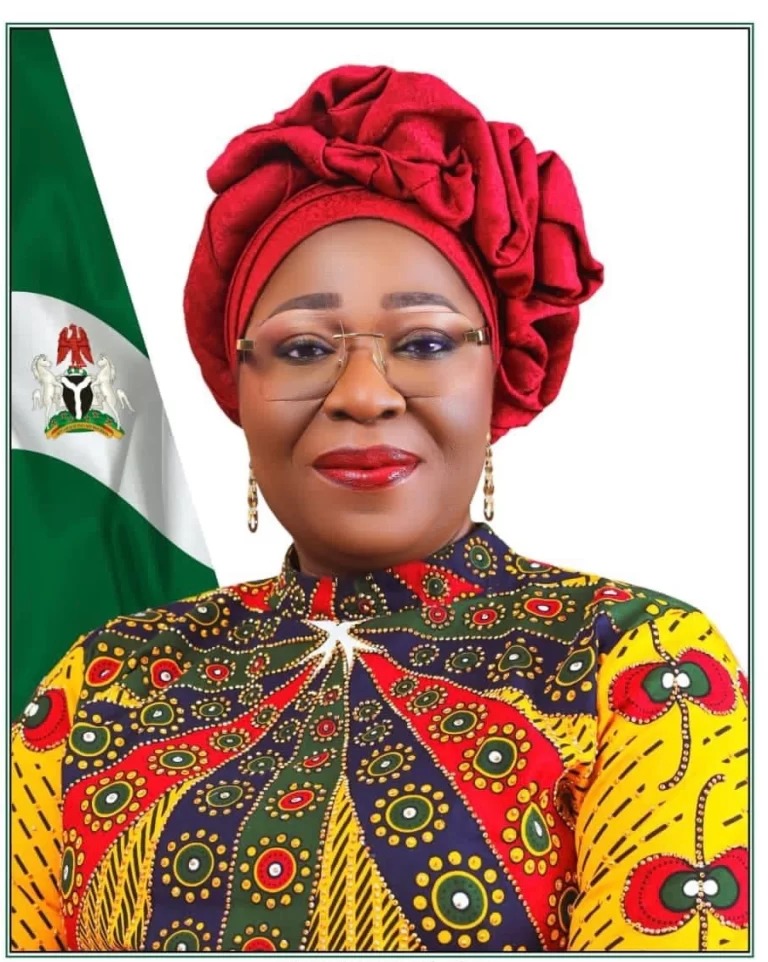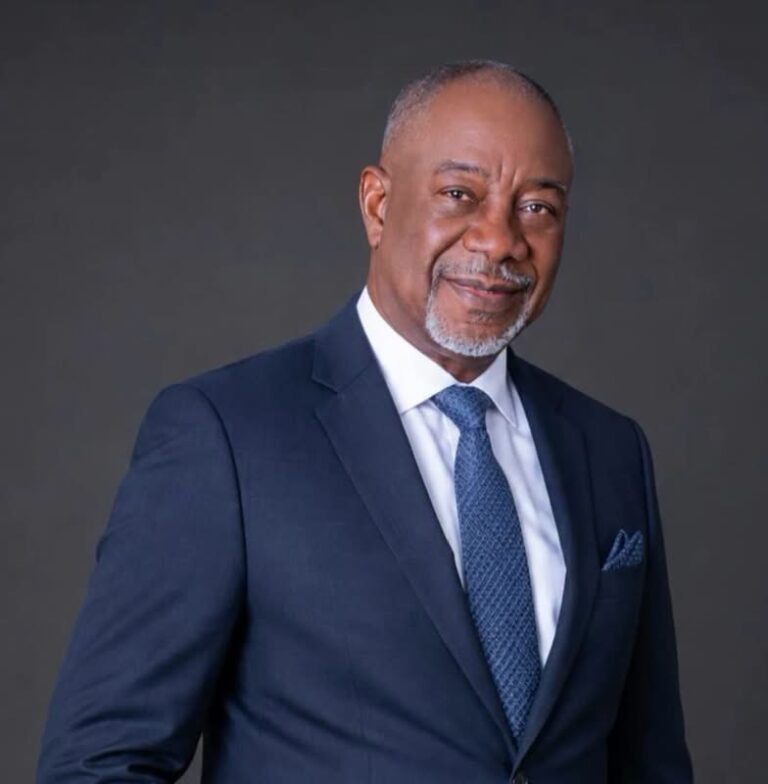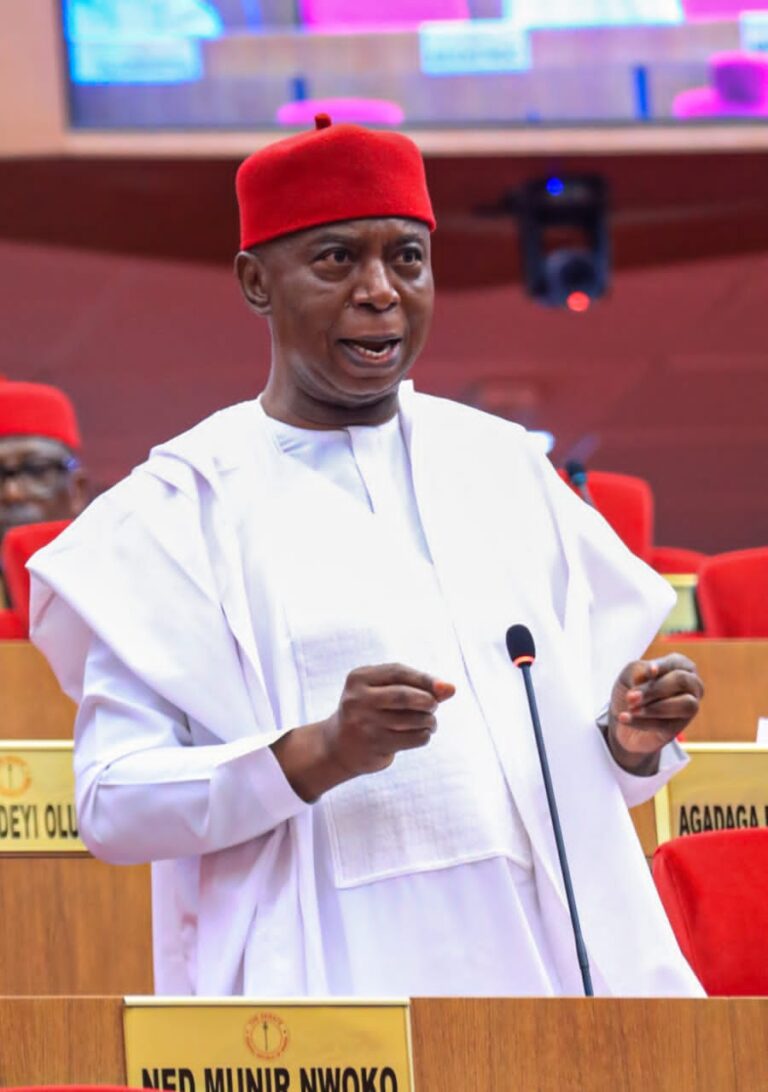
As a first-term lawmaker in Nigeria’s 10th National Assembly, Hon. Engr. Rodney Ebikebina Ambaiowei has wasted no time in channeling his engineering precision into legislative impact, sponsoring key bills that address critical gaps in education, healthcare, and professional development for his Southern Ijaw Federal Constituency and beyond.
Elected in June 2023 to represent this vital Niger Delta hub, Hon. Ambaiowei’s contributions to the House of Representatives underscore a proactive agenda rooted in human capital and infrastructure—hallmarks of a representative attuned to the aspirations of riverine communities.
A Robust Slate of Sponsored Bills: Pioneering Education and Health Reforms
Hon. Ambaiowei’s legislative footprint is marked by three pivotal bills, all introduced on February 27, 2024, during the House’s plenary session, each passing first reading and signaling his commitment to elevating Bayelsa’s educational and medical landscape.
These initiatives reflect a strategic focus on institutions that can anchor long-term growth in underserved areas, directly benefiting Southern Ijaw’s youth and workforce.
1. Establishment of the Federal College of Education, Oporoma, Bayelsa State (HB. 1103):
This bill seeks to create a dedicated federal institution in Oporoma, the administrative heart of Southern Ijaw, to train teachers and educators tailored to the region’s multicultural and environmental needs.
By fostering specialized pedagogy for Niger Delta challenges—like flood-resilient curricula and indigenous language integration—it aims to boost literacy rates and produce homegrown instructors, addressing a chronic shortage that hampers local schools.
The proposal aligns with national goals for equitable education access, potentially serving thousands of aspiring educators from Bayelsa and neighboring states.
2. Establishment of the Federal College of Nursing and Midwifery, Oporoma, Bayelsa State:
Complementing the education bill, this legislation proposes a specialized college to train nurses and midwives, filling a dire void in maternal and child health services across the oil-impacted Niger Delta.
With Southern Ijaw’s remote communities facing high maternal mortality due to limited skilled personnel, the institution would emphasize practical training in tropical diseases, emergency care, and community health outreach—empowering women and creating sustainable jobs in healthcare.
Hon. Ambaiowei’s sponsorship here is a nod to preventive medicine, aiming to reduce health disparities that have long plagued his constituency.
3. Chartered Institute for Medical Dialysis Studies of Nigeria (Establishment) Bill, 2024:
In a forward-looking move for specialized medicine, this bill establishes a chartered institute to standardize training and research in dialysis, targeting the rising tide of kidney-related ailments exacerbated by environmental pollution in oil-producing areas like Bayelsa.
It would regulate certifications, promote innovation in affordable dialysis tech, and integrate it into national health policy, ultimately saving lives and building a cadre of experts in renal care.
Beyond these sponsored bills, Hon. Ambaiowei has been an active voice in committees, including the House Committee on Niger Delta Development, where he advocates for bills enhancing federal allocations and ecological remediation.
His contributions to the ongoing Constitution Review—pushing for state police and additional local governments—further amplify his role in broader governance reforms.
These efforts, though in early stages, position him as a catalyst for systemic change, with constituents already voicing support for their progression through subsequent readings.
Empowerment Initiatives: Grassroots Transformation Through Skills and Resources
If Hon. Ambaiowei’s bills lay the legislative foundation, his empowerment programs are the living blueprint—direct, inclusive interventions that have touched thousands in Southern Ijaw since his inauguration.
True to his mantra of “dividends of democracy,” these initiatives prioritize skills acquisition, economic inclusion, and crisis response, turning policy into palpable progress for youths, women, and vulnerable groups.
Launched on October 6, 2025, the flagship Livelihood Empowerment Programme stands as a cornerstone, equipping grassroots entrepreneurs with skills training, startup grants, and market linkages to foster self-reliance in a constituency battered by unemployment and flooding.
Over 300 beneficiaries—ranging from artisans to farmers—received brand-new motorcycles for mobility, alongside toolkits for trades like tailoring, welding, and agribusiness, enabling them to access markets and scale operations.
Hon. Ambaiowei emphasized during the rollout that this isn’t charity but “investment in human potential,” decrying past abandonments of similar schemes and urging sustained commitment from recipients.
Building on this, Hon. Ambaiowei partnered with the National Institute for Cultural Orientation (NICO) in September 2024 to train and empower another 300 youths and women in vocational skills, including cultural crafts, digital literacy, and entrepreneurship—directly fulfilling pre-election promises and injecting vitality into local economies.
A highlight was the three-day workshop on modern fish farming techniques, tailored for riverine dwellers, which provided seedlings, feeds, and processing equipment to boost aquaculture yields and food security.
In crisis mode, his empowerments extend to humanitarian aid. On October 22, 2024, following a devastating crude oil spill, Hon. Ambaiowei facilitated emergency relief—distributing relief materials, medical supplies, and cleanup kits to affected families in Southern Ijaw, while advocating for corporate accountability.
This swift response not only mitigated immediate suffering but also empowered communities with advocacy tools for future environmental justice.
Hon. Ambaiowei’s blend of legislative foresight and on-the-ground empowerment isn’t just performance—it’s a blueprint for sustainable development in Southern Ijaw.
As these bills advance and programs expand, his tenure reaffirms that effective representation is measured in empowered futures, not empty echoes. Bayelsa—and Nigeria—stands to gain immensely from such dedicated stewardship.
Pamela O. writes from Lagos.
About the Author