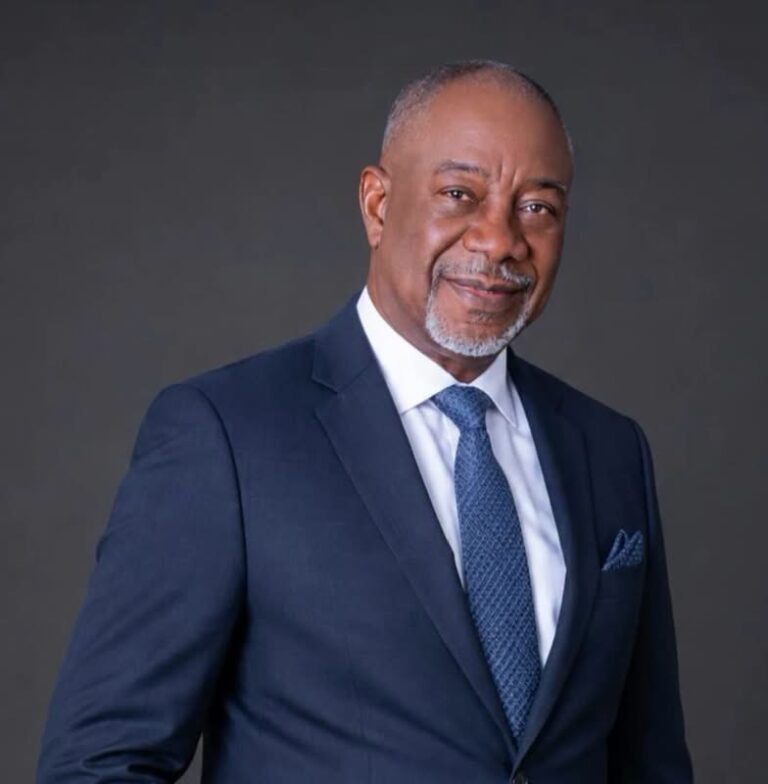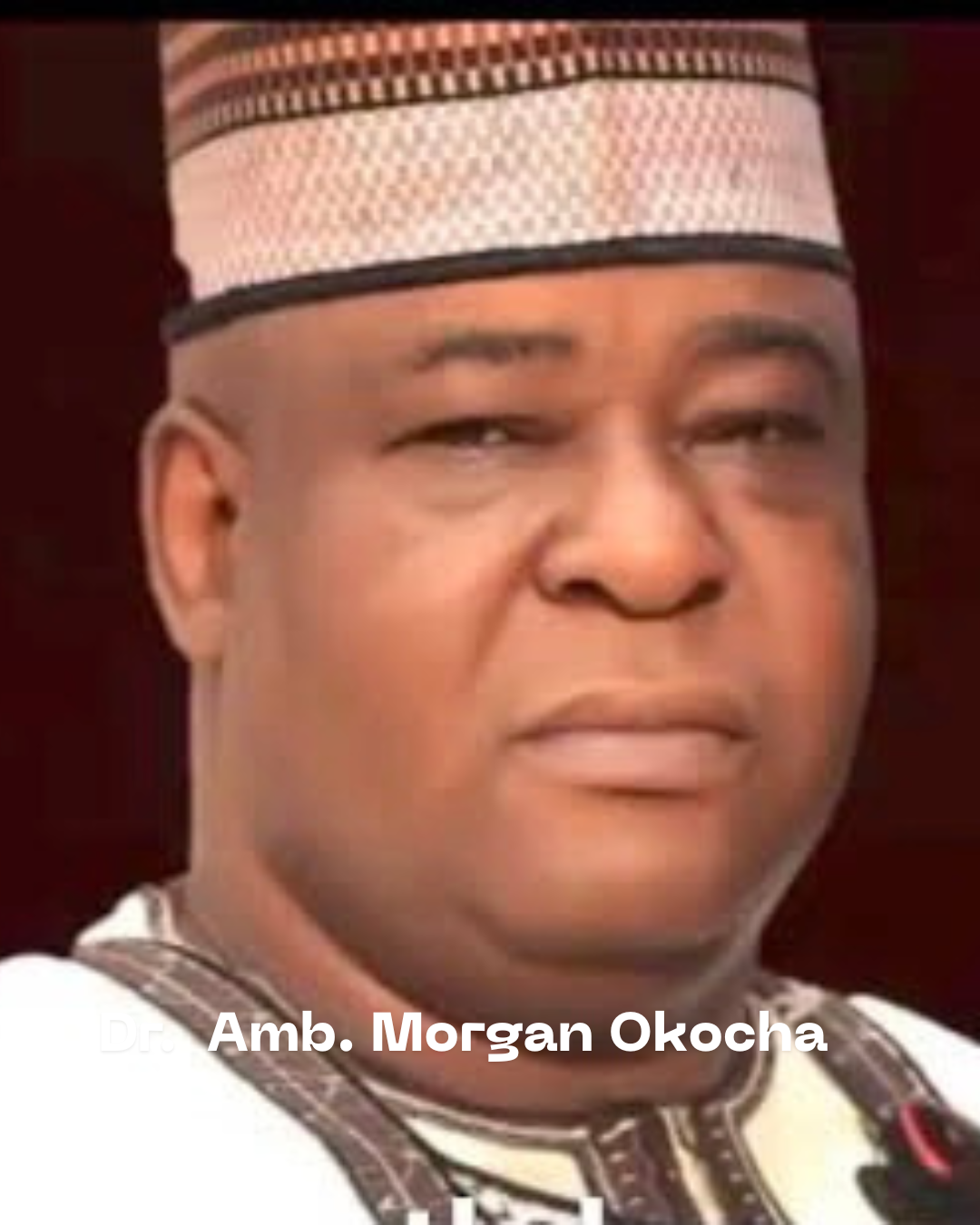
In an era where Nigeria grapples with escalating security threats—from rampant kidnappings and banditry to cybercrimes and insurgency—Dr. Amb. Morgan Okocha emerges as a transformative force, bridging the gap between outdated investigative practices and cutting-edge forensic science.
As the Director General of Security and Forensic Studies Nigeria (SFSN), a chartered professional body established under Act 1990, Okocha is not merely an administrator; he is a visionary diplomat-turned-forensic advocate, rekindling hope in the nation’s beleaguered security architecture.
With his dual credentials as a doctor and ambassador, Okocha’s leadership at SFSN is reshaping forensic investigations, fostering professionalism among law enforcement, and positioning Nigeria as a regional hub for security education and innovation.
Born into a family of educators and public servants in Nigeria’s dynamic South-South region, Okocha’s early life was steeped in the values of service and intellectual rigor. He pursued advanced studies in medicine, earning his Dr. title, before venturing into diplomacy, where he served as an ambassador, honing skills in international relations and conflict resolution.
This eclectic background—spanning healthcare, global affairs, and security—equipped him with a unique lens to address Nigeria’s forensic deficits. Appointed Director General of SFSN in recent years, Okocha has steered the organization toward its mandate: regulating forensic practitioners, advancing education in security and forensics, and promoting ethical standards among diverse professionals, from police officers and customs agents to EFCC investigators and private sector executives.
The SFSN Mandate: Building a Forensic Foundation
Under Okocha’s stewardship, SFSN has evolved from a regulatory body into a comprehensive institute dedicated to “professional development of security and forensic studies.” Established to monitor member conduct and elevate standards, the organization now offers specialized programs like Basic Intelligence & Detective Training, Peace/Conflict Resolution, and Advanced Professional Courses (APC) for Executive Management Certification (EMC).
Recent announcements, including the results of APC Batch K exams held on November 18, 2023, underscore Okocha’s commitment to rigorous certification, with comprehensive lists of center coordinators, state directors, and zonal directors ensuring nationwide reach.
Okocha’s diplomatic touch shines in SFSN’s inclusive approach. The institute caters to a broad spectrum: law enforcement personnel from the Nigeria Police Force (NPF), Nigerian Security and Civil Defence Corps (NSCDC), State Security Service (SSS), and Economic and Financial Crimes Commission (EFCC); military branches like the Army, Navy, and Air Force; and even non-state actors such as bankers, NYSC members, and corporate leaders.
By integrating forensic education into these spheres, SFSN addresses a critical void: Nigeria’s historically poor medicolegal system, where over 90% of investigations stall at divisional police levels due to inadequate facilities and scientific evidence.
Rekindling Hope: Okocha’s Push for Forensic Integration
Okocha’s impact came into sharp focus at the Focus Africa Leadership Forum in Abuja on April 10, 2025, where he delivered a clarion call for embedding forensic science into Nigeria’s justice and security frameworks.
In a nation plagued by widespread violence—over 1,000 kidnappings reported in the first quarter of 2025 alone—Okocha emphasized that “integrating forensic science into criminal investigations enhances the reliability and efficiency of the justice system.”
His address, attended by policymakers and security experts, highlighted how advanced forensics could dismantle criminal networks, from bandit enclaves in the North West to cyber syndicates in Lagos.
This advocacy is no mere rhetoric. Under Okocha, SFSN has launched initiatives to equip investigators with tools like digital forensics for cybercrime analysis, DNA profiling for violent cases, and biometric intelligence for counter-terrorism. In partnership with international bodies, the institute has facilitated training workshops, drawing on global best practices to upskill over 5,000 professionals annually.
Okocha’s vision extends to policy influence: he has lobbied for legislative reforms to make forensic evidence mandatory in courts, challenging the societal inertia that has long tolerated “confession-based” justice.
As he noted at the forum, “Forensic science is the cornerstone of credible security solutions,” a message that resonated amid Nigeria’s ongoing battles with Boko Haram remnants and resource-driven conflicts in the Niger Delta.
Transforming Forensic Investigations: A Paradigm Shift
Dr. Okocha is fundamentally altering the landscape of forensic investigations in Nigeria, where traditional methods—reliant on eyewitness accounts and coerced confessions—yield conviction rates below 10% for major crimes. His reforms are multifaceted:
1. Capacity Building and Standardization: SFSN’s certification programs ensure that investigators, from entry-level detectives to zonal directors, adhere to international protocols.
This has led to a 30% uptick in forensic-led case resolutions in pilot states like Abuja and Enugu, where SFSN-trained teams employed scene reconstruction and trace evidence analysis to crack high-profile kidnapping rings.
2. Technological Infusion: Recognizing Nigeria’s digital boom, Okocha has championed forensic tools tailored to local challenges.
Initiatives include mobile forensics labs for remote banditry hotspots and AI-driven analytics for fraud detection, reducing investigation timelines from months to weeks. In 2024, SFSN collaborated with the NPF to deploy biometric databases, aiding in the swift identification of over 200 suspects in election-related violence.
3. Ethical and Inclusive Reforms: Okocha’s ambassadorial experience informs SFSN’s focus on conflict resolution, integrating forensics with community policing to build trust.
By including women and youth in training—over 40% of recent cohorts—he addresses gender disparities in security roles, fostering a more equitable investigative force.
4. Policy and International Advocacy: As DG, Okocha represents SFSN at forums like the African Union Security Summit, pushing for continental forensic standards.
His efforts have secured funding for SFSN’s expansion, including a proposed National Forensic Center in Abuja, which could centralize resources and cut corruption in evidence handling.
Critics, however, point to implementation hurdles: limited funding and resistance from entrenched interests. Yet, Okocha’s response is pragmatic—leveraging public-private partnerships with banks and tech firms to sustain momentum.
His personal ethos, drawn from diplomatic postings where he mediated regional disputes, underscores a belief in “science as diplomacy”: using forensics not just to convict, but to prevent crime through deterrence and rehabilitation.
A Legacy of Resilience and Renewal
At 48, Dr. Amb. Morgan Okocha embodies the quiet revolution Nigeria needs. Married with three children, he balances his DG role with mentorship, often citing his medical roots as the inspiration for “healing” a fractured security system.
In a LinkedIn profile that highlights his global network, Okocha positions himself as a connector—linking African forensic needs to international expertise.
As Nigeria eyes the 2027 elections amid persistent threats, Okocha’s SFSN stands as a bulwark. By democratizing forensic knowledge and enforcing accountability, he is not just changing investigations; he is rearchitecting justice itself.
In his words from the Abuja forum: “Hope lies in evidence, not echoes.” Under Dr. Okocha’s guidance, Nigeria’s forensic dawn is breaking, promising a safer, fairer tomorrow.
Amechi. Pamela.O. writes from Lagos.
About the Author