In Nigeria’s 10th National Assembly, where criticism of the executive often seems muted amid allegations of “state capture” and fear of reprisals, Senator Enyinnaya Abaribe stands out as a fearless advocate for truth and accountability. Representing Abia South, Abaribe has consistently spoken out against the policies and performance of President Bola Tinubu’s administration, even as many colleagues remain cautious.
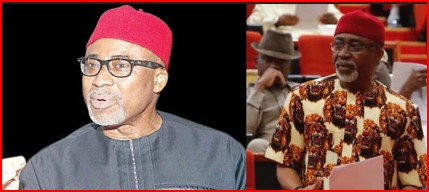
In recent interviews (as of December 2025), Abaribe has boldly declared that President Tinubu did not legitimately win the 2023 election, criticized the handling of economic hardship and insecurity, and accused the Senate under Godswill Akpabio of failing to robustly scrutinize the executive due to undue influence. He has questioned the government’s competence, highlighted family involvement in governance as undemocratic, and predicted Tinubu’s defeat in 2027 amid widespread public discontent.
This courage is not new for Abaribe, a former Senate Minority Leader known for his principled stands. Yet, in the current Assembly—often criticized for being overly compliant with executive requests—his voice echoes loudly against a backdrop of silence. Many lawmakers, fearful of political victimization, rigged elections, or EFCC investigations, choose caution over confrontation. Defections to the ruling APC and muted debates on critical issues like budget padding or security failures underscore this atmosphere of restraint.
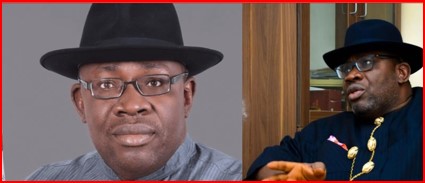
Senator Seriake Dickson of Bayelsa West is another rare exception. He has openly condemned the Senate’s commendation of Tinubu’s security efforts as “insensitive and provocative” amid rising kidnappings and violence, and walked out in protest against certain executive actions.
Politicians like Abaribe and Dickson remind us that integrity in leadership means speaking truth to power, regardless of consequences. Their clean records allow them this freedom—nothing to hide, no skeletons to fear. Nigerians, weary of hardship and unfulfilled promises, deserve more such leaders: honest, fearless, and committed to the people’s mandate, not personal survival.In a democracy, silence from representatives is betrayal. Voices like Abaribe’s are not just lone—they are beacons, calling for the courage the masses await from their elected officials. Nigeria needs more of them to reclaim accountable governance.
Pamela O. writes from Lagos