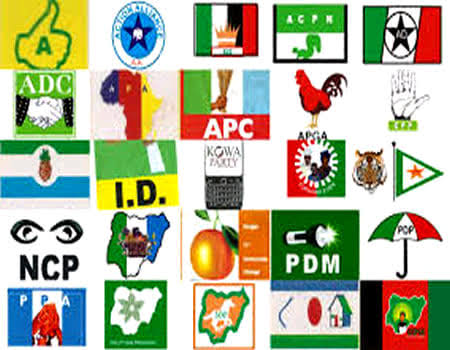
As a journalist, it is my duty to shine a light on systems that threaten democracy and the well-being of a nation. A one-party system, where a single political party dominates governance, stifles dissent, and controls all levers of power, poses a grave danger to any country. Nigeria, with its vibrant history of pluralism and struggle for democracy, must steer clear of this path to safeguard its future.
A one-party system erodes democratic principles by suppressing opposition and limiting political choice. Without competition, the ruling party faces no accountability, leading to complacency, corruption, and inefficiency. Citizens are denied the ability to choose leaders who reflect their aspirations, as alternative voices are silenced or co-opted. In countries like Zimbabwe under ZANU-PF or China under the Communist Party, one-party dominance has led to unchecked power, human rights abuses, and economic stagnation for many.
In Nigeria, a one-party system would be particularly disastrous. Our diversity—ethnic, religious, and cultural—requires a political landscape where multiple voices are heard. A single party risks alienating entire regions or groups, fueling resentment and potentially reigniting separatist agitations. The 1993 annulment of the June 12 election and the subsequent military rule showed how suppressing political plurality can destabilize the nation. A one-party system would replicate this oppression on a larger scale.
Moreover, Nigeria’s economy, already burdened by corruption and mismanagement, cannot afford the inefficiencies of unchecked rule. A one-party state often prioritizes loyalty over merit, leading to cronyism and economic decline. The oil-rich Niger Delta, for instance, could see further neglect if a single party consolidates power without pressure to address local grievances.
The media, a cornerstone of democracy, also suffers under one-party rule. Journalists face censorship, harassment, or worse, as seen in Eritrea, where independent media has been crushed. Nigeria’s press, despite its challenges, has a proud history of holding power to account—from the anti-colonial struggles to exposing corruption today. A one-party system would muzzle this voice, leaving citizens uninformed and powerless.
Nigeria’s recent elections, though flawed, show the value of multi-party competition. The rise of new political movements and the ability of opposition parties to challenge the status quo signal a desire for change. However, the growing influence of money, voter suppression, and electoral manipulation are warning signs. If these trends are left unchecked, they could pave the way for a de facto one-party state, even if not formally declared.
To avoid this, Nigeria must strengthen its democratic institutions. The Independent National Electoral Commission (INEC) must ensure transparent elections, while the judiciary should uphold the rule of law without bias. Political parties must promote internal democracy, and citizens must remain vigilant, rejecting attempts to consolidate power. The media, too, must resist intimidation and continue exposing abuses.
As a journalist, I urge Nigerians to cherish their hard-won democracy. A one-party system is a road to stagnation, division, and oppression. Let us protect our pluralistic heritage and ensure that power remains with the people, not a single entity. Nigeria’s future depends on it.
Amechi. Pamela writes…….