By AMECHI. P, Cultural Correspondent
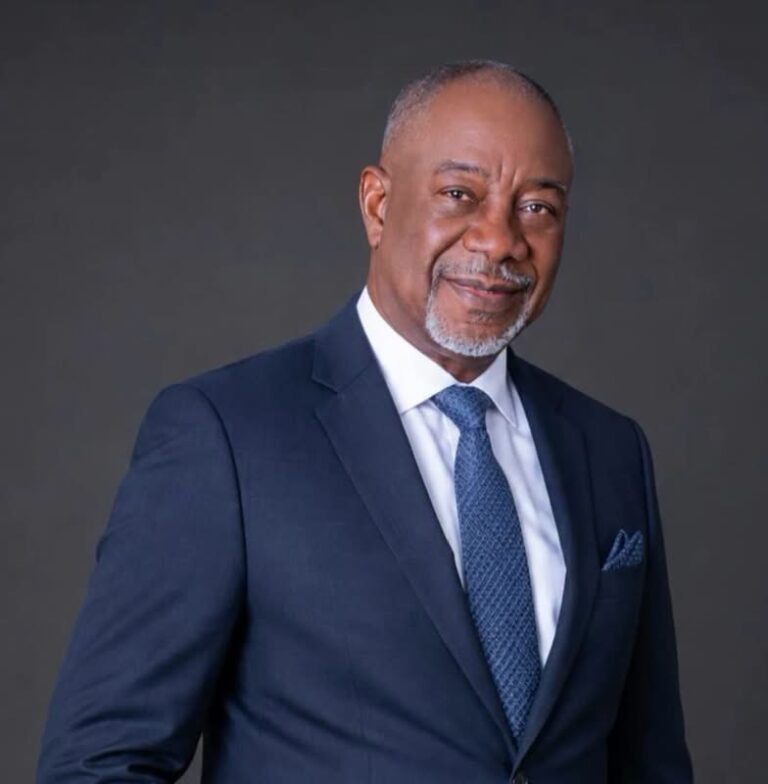
In the heart of Africa’s cultural renaissance, one name stands out as a relentless advocate for cultural democracy: Ozo Ferdinand Anikwe, the former Director-General of the Centre for Black and African Arts and Civilization (CBAAC).
With a vision rooted in the power of cultural identity, Anikwe has spent decades championing the idea that Africa’s rich heritage can serve as a cornerstone for democratic values, unity, and socio-economic progress.
Anikwe’s philosophy of cultural democracy hinges on the belief that cultural heritage is not merely a relic of the past but a dynamic force for shaping inclusive governance and societal transformation. During his tenure at CBAAC, he positioned the institution as a beacon for preserving and promoting African arts and civilization.
Speaking at a 2015 CBAAC seminar in Lagos, Anikwe articulated a vision for a “human-centered and rights-based approach” to cultural development, urging African leaders to harness shared values and identities to foster unity and equity. “Cultural democracy is about giving every African a voice through their heritage,” he declared, emphasizing that cultural pride can dismantle barriers and empower communities.
His leadership shone during the 40th anniversary of FESTAC ’77 in 2017, where he orchestrated a celebration of Africa’s cultural giants, such as highlife legend Victor Olaiya. Anikwe used the platform to advocate for cultural policies that empower local communities, arguing that democracy thrives when people are connected to their roots.
“Our arts and traditions are not just history; they are tools for political and economic liberation,” he said, a message that resonated deeply in a continent grappling with modern challenges.
Anikwe’s commitment to cultural democracy extends beyond Nigeria. He has consistently called for the global promotion of African languages and traditions, particularly among the Igbo, his ethnic group.
At the unveiling of the Ala-Igbo Cultural Festival logo in Enugu in 2017, he urged the Igbo to leverage their cultural unity to drive development and political influence. “A people united by culture can never be marginalized,” he asserted, framing cultural identity as a democratic force for empowerment.
His advocacy also confronts contemporary issues. In 2023, Anikwe decried the persistence of modern-day slavery in Africa’s political economy, calling for leadership that prioritizes cultural values to dismantle systemic oppression.
His support for projects like the documentary *Ije Enu*, which celebrates highlife icon Celestine Ukwu, underscores his belief that cultural preservation is a democratic act—ensuring that every voice, past and present, is heard.
Anikwe’s work reminds us that cultural democracy is not an abstract ideal but a practical pathway to justice and progress.
By rooting governance in the shared heritage of African peoples, he envisions a continent where democracy is not just political but deeply cultural, inclusive, and transformative.
As Africa navigates its future, Ozo Ferdinand Anikwe’s legacy as a cultural democrat continues to inspire a new generation to embrace their heritage as a foundation for a freer, fairer society.
About the Author